
ADU Builder Sacramento CA Cost, Permits, and Timeline Explained
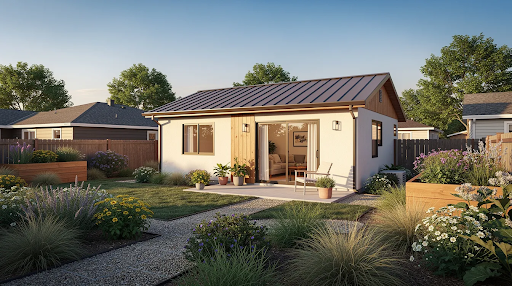
If you’re exploring the idea of adding a backyard cottage or detached ADU to your Sacramento property, you’re not alone. Thousands of homeowners across the region are turning unused space into functional living quarters for family members, long-term tenants, or guests. But understanding what an ADU project actually involves—from realistic costs to permit timelines—can feel overwhelming without clear guidance.
This guide breaks down everything Sacramento homeowners need to know about working with an ADU builder in Sacramento CA, including what to expect for pricing, how local regulations affect your plans, and why factory-built tiny homes offer a streamlined alternative to traditional site-built construction.
Key Takeaways
In Sacramento, most detached backyard ADUs between 400–1,200 sq ft typically range from roughly $150,000–$350,000+ total project cost, depending on size, finishes, and site work.
Sacramento follows California state ADU law: up to 1,200 sq ft for detached units, streamlined permits, and no impact fees for most units under 750 sq ft.
A realistic factory-built ADU timeline includes 1–3 months for design and permits, 2–4 months for factory construction and site prep, and 2–4 weeks for installation and utility hookups.
Tiny Home Cottages focuses on detached, factory-built tiny homes and backyard cottages as ADUs, offering consistent quality and predictable schedules versus fully site-built ADUs.
Contact Tiny Home Cottages for a Sacramento-specific quote, property review, and guidance on financing through specialists like 21st Mortgage Corporation.
Why Sacramento Homeowners Are Turning to ADU Builders
Sacramento’s housing market has transformed dramatically since 2020. Rents have climbed 25-30% due to pandemic-era migration and limited housing supply, with two-bedroom apartments now averaging around $2,100 monthly. For homeowners sitting on single-family lots with extra space, this squeeze has created both a challenge and an opportunity.
Backyard ADUs have surged in popularity across Sacramento neighborhoods. Whether you’re in Midtown, East Sacramento, Land Park, Natomas, Elk Grove, or Citrus Heights, you’ve likely noticed more space being converted into livable space. Sacramento County permit records show ADU sightings have increased roughly 40% since 2022.
Many homeowners want a detached ADU specifically because it provides privacy from the main house. Aging parents can age in place while maintaining independence. College-age children can have their own bathroom and living space without leaving the property. Long-term tenants can enjoy a completely separate entrance and lifestyle.
Working with experienced Sacramento ADU builders makes a significant difference. These professionals understand local codes, coordinate with PG&E or SMUD for power requirements, and navigate City of Sacramento or Sacramento County permits efficiently. Going it alone often leads to costly mistakes and extended timelines.
Tiny Home Cottages offers a streamlined alternative to fully site-built ADUs. Our factory-built tiny homes and cottages arrive mostly finished, reducing on-site construction time and providing consistent quality through controlled manufacturing conditions. For homeowners who value predictability, this approach eliminates many of the headaches associated with traditional ADU construction.
ADU Builder Sacramento CA: Our Streamlined Backyard ADU Process
The construction process for a factory-built ADU follows four clear phases that Sacramento homeowners will recognize from traditional building projects. The difference lies in how factory construction makes the build phase more predictable while reducing the disruption to your property.
Tiny Home Cottages focuses on detached, cottage-style units that arrive mostly finished from the factory. These homes are set on permanent foundations or approved installation systems, meeting all California and Sacramento requirements for an accessory dwelling unit.
Throughout every phase, homeowners receive schedule estimates, cost updates, and guidance on how each step affects the total timeline and budget. No surprises, no vague promises—just clear communication from initial consultation through key handover.
The entire process typically ranges from about 4 to 8 months from first consultation to move-in for most Sacramento-area projects. Your specific timeline depends on permit review times and site conditions, but factory-built construction consistently outpaces traditional site-built approaches.
1 – Initial ADU Consultation
The consultation is usually free and can be done by phone or video. This conversation focuses on your goals: Are you building for rental income? Housing for extended family? Downsizing by moving into the ADU yourself? Understanding your purpose helps identify the right approach.
During this stage, we review:
Sacramento city or county zoning for your parcel
Lot layout and available square footage
Access for delivery trucks and cranes
Existing utilities (water, sewer/septic, power, gas)
Trees, slopes, or other site obstacles
You’ll explore different Tiny Home Cottages ADU models during this conversation—single-story, lofted, cabin series, or HUD manufactured home options ranging from 400 to 1,000+ sq ft. Based on your property and preferences, we provide a preliminary cost range and rough timeline tailored to Sacramento permit processes and current factory build slots.
Bring your APN (Assessor’s Parcel Number), property address, and photos of your backyard. This information helps us quickly identify potential placement options and setback requirements.
2 – Pre-Construction, Design, and Permits
During pre-construction, site measurements, basic plot planning, and foundation and utility design are completed so plans are ready for permit submissions. This phase transforms your ADU concept into approved architectural plans.
Tiny Home Cottages works with engineers and designers familiar with California and Sacramento standards. They prepare foundation details, utility connection specifications, and ensure compliance with Title 24 energy requirements and local fire access rules.
Sacramento ADUs must meet California Residential Code or HUD code (for manufactured units). Your permit submittal includes:
Complete plan sets with structural details
Title 24 energy calculations
Site plan showing placement and setbacks
Application forms for City of Sacramento or Sacramento County
Typical pre-construction timelines run roughly 4–12 weeks for design and permitting. During busy seasons or if corrections are requested, Sacramento review times can extend. We coordinate these details to minimize delays.
3 – Factory Construction and On-Site Prep
This is where factory-built ADU construction truly shines. Your home is built in a controlled factory environment under national building codes, with quality checkpoints at framing, plumbing, electrical, insulation, and finishes.
The benefits versus traditional on-site builds are substantial:
|
Factory-Built Advantages |
Site-Built Challenges |
|
Weather doesn’t delay work |
Sacramento’s 40-50 rainy days annually cause delays |
|
Secure material storage |
Materials exposed to weather and theft |
|
Repeatable quality processes |
Variable crew quality and supervision |
|
99% on-schedule completion |
70% variance in completion estimates |
While your unit is being built in the factory, local crews in Sacramento simultaneously work on foundation, trenching for utilities, and any required site grading or retaining walls. This parallel approach shortens total project duration significantly.
Factory build times for small homes run about 6–12 weeks depending on size and complexity. This often overlaps with the latter part of your permit process and site prep, meaning you’re not waiting for one phase to finish before starting another.
Throughout construction, you receive scheduled updates and can review interior design packages and exterior finish selections that match your chosen Tiny Home Cottages model.
4 – Delivery, Installation, and Key Handover
Once permits are issued and your ADU is completed in the factory, the home travels to your Sacramento property on scheduled transport trucks. Tight lots may require a crane for precise placement.
Installation steps include:
Setting the unit on its foundation
Fastening and sealing all connections
Final plumbing, sewer, water, and electrical hookups
Completing exterior stairs, porches, and final touches
City or county inspections are scheduled for building, electrical, plumbing, and possibly fire or zoning sign-offs. Tiny Home Cottages coordinates these appointments so you’re not managing multiple agencies yourself.
After passing inspections, your ADU is cleaned and prepared for move-in. A walkthrough covers operation of all systems, basic maintenance requirements, and warranty coverage. You receive keys and can immediately welcome family, guests, or renters into the new space.
ADU Costs in Sacramento: What Homeowners Should Expect
ADU cost varies widely, but Sacramento homeowners deserve realistic ranges rather than vague promises. Understanding that site-built and factory-built pricing structures differ helps you compare options accurately.
Total project cost includes more than just the building itself. Permits, utility connections, foundation work, site preparation, and sometimes panel upgrades for electrical service all impact your final number. Ignoring these elements leads to budget surprises.
Factory-built ADUs from Tiny Home Cottages help keep construction and labor costs more predictable. Much of the work happens off-site before installation, reducing the variables that cause overruns in traditional builds.
All cost examples here should be treated as estimates. Request a written quote based on your specific Sacramento parcel, access conditions, and chosen model before finalizing your budget.
When comparing builders, look beyond headline prices. Understand what’s included: appliances, finishes, utility hookups, permit support, and engineering. A lower upfront number that excludes critical items isn’t actually a better deal.
Typical Price Ranges for Detached ADUs
Here’s what Sacramento homeowners can expect for detached ADU projects:
|
Unit Size |
Approximate Total Cost Range |
|
400–600 sq ft |
$160,000–$300,000 |
|
600–800 sq ft |
$240,000–$400,000 |
|
800–1,200 sq ft |
$320,000–$500,000+ |
Many detached, fully outfitted ADUs in Sacramento end up in the low-to-mid six figures when all site work and permits are included, even when using efficient factory-built methods. Factory-built pricing tends to be more stable because labor and materials are purchased at scale.
Smaller units under 750 sq ft may benefit from reduced impact fees in California. This exemption can save Sacramento homeowners $4,800–$14,200 on permit-related costs—a material reduction in overall project expense.
Premium upgrades like cement siding, upgraded windows, higher-end interiors, or cabin-style finishes increase the budget but may improve long-term durability and rental appeal. Consider whether the extra investment makes sense for your goals.
Think in terms of cost per usable square foot and expected return. A $250,000 ADU that generates $2,400 monthly in rental income looks very different from one that sits empty.
Breaking Down Total Project Costs
A Sacramento ADU budget includes several major categories:
Unit cost (factory home): 40-50% of total budget
Foundation: $20,000–$40,000 for concrete slab or pier systems
Utility connections: $15,000–$30,000 for power upgrades, sewer tie-in, water, and gas lines
Site work: $10,000–$25,000 for grading, driveways, walkways
Permits and fees: $4,800–$14,200+ depending on unit size
Design and engineering: Approximately $5,500 average
Optional landscaping and fencing: Variable
Homes from Tiny Home Cottages include substantial interior finish work—kitchens, bathrooms, flooring, insulation—completed at the factory. This reduces on-site labor line items compared to traditional construction.
Sacramento’s permit and fee structure may include plan review fees, building permit fees, school fees in some cases, and utility-related charges. Identify these early in planning to avoid surprises.
Include a contingency amount in your budget—typically 5–15%—for unknowns like underground obstacles, electrical panel upgrades, or unanticipated drainage needs. Even well-planned projects encounter occasional surprises.
A detailed written proposal helps avoid unexpected costs and allows you to compare different ADU options on an apples-to-apples basis.
Permits and Regulations for ADUs in Sacramento
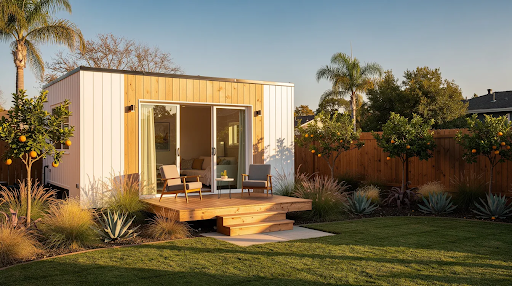
California’s state ADU laws, updated significantly in 2020 and refined through subsequent legislation, have made building ADUs easier statewide. However, Sacramento still maintains local regulations on size, height, and placement that you must follow.
The first step is distinguishing between City of Sacramento and Sacramento County rules. Your property’s location determines which jurisdiction reviews your plans. Tiny Home Cottages or local design partners can assist with this determination.
Detached ADUs up to 1,200 sq ft are generally allowed on single-family lots, but setbacks, maximum height, and parking rules still apply. Understanding these requirements before ordering your ADU prevents costly plan revisions.
Factory-built ADUs must meet state and national building codes. These homes are installed on foundations in compliance with local requirements, which the permit office reviews during approval. Pre-certification at the factory doesn’t eliminate the need for local permits.
Experienced ADU builders in Sacramento help avoid plan rejections, costly resubmittals, and delays by aligning designs with local ordinances from the start. The 20% resubmittal rate common for DIY applicants can add weeks or months to your timeline.
Size, Height, and Setback Rules
California allows at least one detached ADU plus a junior ADU on many single-family lots, subject to local specifics. Sacramento generally follows these state guidelines.
Key regulations for detached ADUs in Sacramento:
|
Requirement |
Typical Standard |
|
Maximum size |
1,200 sq ft |
|
Side setback |
4 ft minimum |
|
Rear setback |
4 ft minimum |
|
Height limit |
16-18 ft (up to 25 ft with sloped roof) |
|
Lot coverage |
35% maximum in many areas |
Tiny Home Cottages’ single-story and lofted models typically comply with height restrictions when sited correctly. Our design team confirms compatibility during the consultation phase.
Attached ADUs and garage conversions follow different floor area rules (such as percentages of main home size), but this guide focuses primarily on detached backyard units.
Obtain a parcel map or survey if available. Accurate lot dimensions are critical for confirming setback compliance before ordering your ADU. Guessing on setbacks can result in permit denial or required plan changes.
Permit Timelines and What to Expect
California law requires jurisdictions like Sacramento to review ADU permits within specific timeframes—typically 60 days for complete applications. However, plan corrections and high application volume can impact actual turnaround.
Realistic permit review times in Sacramento:
Complete, straightforward applications: 4–8 weeks
Applications requiring corrections: 8–16 weeks
Complex projects or busy seasons: 12+ weeks
Factory-built ADUs still require local permits for foundations, utilities, and installation, even though the home itself is built to national or state standards. Don’t assume pre-certification eliminates local review.
Tiny Home Cottages coordinates with design professionals to prepare code-compliant plan sets aligned with Sacramento standards. This preparation minimizes back-and-forth with plan reviewers and keeps your project moving.
Factor permit timing into your overall schedule. Avoid making hard move-in or rental commitments before permits and factory production slots are confirmed. Building in buffer time reduces stress as your project progresses.
Factory-Built ADUs vs. Traditional Site-Built ADUs in Sacramento
Sacramento homeowners can choose between fully site-built ADUs and factory-built small homes installed on-site. Each approach has distinct advantages worth understanding before committing.
Tiny Home Cottages focuses on factory-built tiny homes and cottage-style units that meet national building codes. These homes are designed specifically to function as detached ADUs, with full kitchens, bathrooms, and comfortable living spaces.
Both approaches must comply with California ADU laws and Sacramento permits. The differences lie in build process, speed, cost predictability, and on-site disruption.
This comparison helps you decide whether a factory-built solution aligns better with your budget, timeline, and tolerance for backyard construction activity.
Benefits of Factory-Built ADUs
Factory construction occurs indoors, protecting materials and work from Sacramento’s winter rains and summer heat. Traditional site-built projects can experience 1–3 month delays from weather alone.
The advantages extend beyond weather protection:
Consistent quality: Crews build the same models repeatedly under established quality assurance protocols, reducing mistakes and rework
Predictable timelines: Factory schedules aren’t impacted by weather and site access issues
Reduced disruption: Only foundation and installation work happens in your backyard, typically 2–4 weeks versus 4–6 months for site-built
Material efficiency: Controlled factory conditions reduce waste by 10–15%
Energy efficient construction: Title 24 compliance through factory insulation techniques
National building code compliance and controlled conditions often result in better long-term durability compared to hastily constructed site-built projects. Expert craftsmanship becomes repeatable when the same teams build similar models in optimal conditions.
When Site-Built ADUs Might Make Sense
Some situations favor traditional construction:
Extreme slopes or unusual lot shapes requiring custom engineering solutions
Strict design review boards mandating specific architectural styles
Attached ADUs or full garage conversions that modify your existing house
Historic property requirements demanding period-appropriate materials and methods
Even in these cases, many planning, permitting, and cost considerations discussed here still apply. Build times and budgets for custom site-built projects typically run higher than factory-built options.
Consider using Tiny Home Cottages for a detached ADU while working with other professionals for interior remodels, home remodel projects, or attached additions to your main house.
Types of Detached ADUs and Tiny Homes Offered
Tiny Home Cottages offers several categories of factory-built small homes that can serve as detached ADUs on Sacramento residential lots. Each option creates a whole new house in your backyard—complete with independent living amenities.
All models are designed as complete living spaces with kitchens, bathrooms, sleeping areas, and comfortable living rooms suitable for full-time occupancy. These aren’t converted sheds or bare-bones structures.
The right choice depends on who will live in the ADU, how often it’s used, and whether you prioritize modern styling, rustic cabin finishes, or compact efficiency. Unit sizes typically range from approximately 400 sq ft studio-style homes up to around 1,000 sq ft HUD manufactured homes.
Single-Story Tiny Homes
These entry-level detached ADUs feature open, modern layouts with approximately nine-foot ceilings throughout. The one-level design makes them ideal for aging parents or anyone with accessibility needs.
Single-story models typically include:
One bedroom and one bathroom
Full kitchen with modern appliances
Living space sized for one or two occupants
Efficient HVAC systems
The single-level footprint simplifies permitting in Sacramento neighborhoods with height constraints and works well on narrow or shallow backyards. Various exterior finish options let you coordinate the ADU with your primary residence.
Premium Single-Story Tiny Homes
Premium models build on the base layouts with upgraded materials. Cement exterior siding, enhanced windows, and higher-end interior finishes create a more substantial feel.
These ADUs appeal to homeowners planning:
Long-term rental arrangements
Housing for family members staying many years
Future resale value considerations
Upgraded exteriors withstand Sacramento’s weather over time, reducing repainting or maintenance frequency. Premium models often include more elaborate kitchens, upgraded cabinetry, and improved bathroom fixtures with new fixtures throughout.
For homeowners viewing the ADU as a long-term investment, the lifecycle benefits of enhanced materials often justify the additional upfront cost.
Lofted Tiny Homes
Lofted models are two-level small homes with sleeping or storage lofts above the main living space. Steep rooflines and stacked windows create a bright, modern feel that maximizes vertical space.
Lofts function as:
Sleeping areas for guests or residents
Home office nooks for remote workers
Play spaces for children
Additional storage
These designs feature vaulted ceilings on the main floor while adding more space above without expanding the building footprint. They’re popular with younger occupants, remote workers, and homeowners wanting architectural character.
Consider access methods (stairs versus ladders) based on who will use the lofted space most frequently.
Cabin Series Cottages
Cabin series cottages feature natural finishes including tongue-and-groove pine walls and ceilings, metal roofing, and fiber cement siding. The result is warm, rustic character that feels like a mountain retreat.
These units work perfectly as:
Guest house for visiting family
Home office cottage separate from distractions
Vacation-style retreat in your own backyard
The interior aesthetic evokes a lakeside cabin experience. Durable exterior materials handle long-term outdoor exposure while maintaining charm. Orient these cottages to frame gardens, patios, or pool areas for a cohesive backyard retreat.
HUD Manufactured Homes as Larger ADUs
HUD manufactured homes represent slightly larger options, commonly in the 400–1,000 sq ft range. These homes serve as detached ADUs when local regulations allow.
Built to federal HUD standards in the factory, these units offer:
One-, two-, or even three-bedroom layouts
More traditional home feel with hallways
Separate bedrooms with privacy
Larger kitchens and living rooms
The increased square footage makes them attractive as full-time residences for downsizing homeowners who plan to live in the backyard unit and rent out the main house—creating additional income while staying on their property.
Permit and foundation requirements differ slightly for HUD manufactured homes, so expert guidance is important when pursuing this option.
Financing Your Sacramento ADU
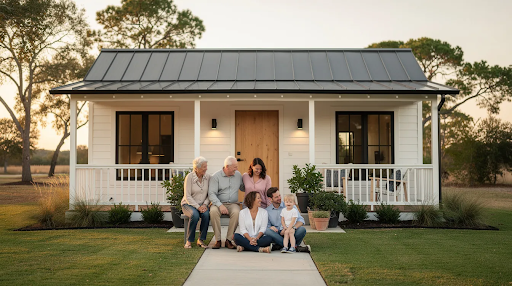
Many Sacramento homeowners use financing to build ADUs since total project costs can be significant even for efficient factory-built units. Understanding your options helps you move forward confidently.
Financing depends on your credit, income, existing mortgage, property equity, and whether the ADU is considered personal property or part of the real estate. Each factor affects available loan products and terms.
Loans may cover both the home itself and necessary site work and permits, allowing the project to be paid off over time. This spreads the investment across months or years rather than requiring massive upfront capital.
Many homeowners plan to offset monthly payments through rental income from long-term tenants or contributions from family members living in the ADU. A $2,000+ monthly rental payment can substantially cover financing costs.
Evaluate total monthly payment against likely rental or savings value. A financially sound ADU project often generates passive income that exceeds loan obligations.
Working with Specialized Lenders
Tiny Home Cottages frequently recommends specialized lenders such as 21st Mortgage Corporation, which focuses on manufactured and mobile home loans. These lenders understand factory-built housing in ways traditional banks often don’t.
Specialized lenders offer:
Loan structures tailored to tiny homes and cottages
Experience with factory-built ADU transactions
Down payment options from zero percent (for very well-qualified buyers) to higher percentages
Terms typically ranging 15–30 years
Rates currently in the 6.5–8.5% range
Compare offers from multiple lenders, review closing costs, and ask how long rate locks last during the ADU build period. Factory construction timelines differ from traditional home purchases, so rate lock duration matters.
Discuss how the lender views the ADU regarding collateral, insurance requirements, and whether the loan covers installation and utility work.
Typical Loan Application Steps
The basic sequence follows a predictable pattern:
Choose a model and estimate total project cost
Complete a loan application with the lender
Provide documentation including identification, income verification, and bank statements
Receive conditional approval and review financing terms
Lock the interest rate and finalize required paperwork
Sign closing documents once satisfied with terms
Funds are allocated toward ordering the ADU and scheduling site work
The lender may require periodic inspections or documentation during the build to release funds in stages aligned with project milestones.
Keep a file of all permits, invoices, and contracts. This organization helps you respond quickly to lender requests and verify project costs throughout the process.
How Long Does It Take to Build an ADU in Sacramento?
Sacramento ADU projects typically take several months from first conversation to move-in. Factory-built units significantly reduce the on-site build portion, but overall timeline still includes consultation, design, permitting, factory construction, site prep, delivery, installation, and final inspections.
Many stages overlap, and delays usually arise from permit review or unexpected site conditions—not from the factory build itself. The controlled manufacturing environment keeps production on schedule.
Plan early if you have target dates. Family move-in timelines or rental start dates should include buffer time for variables outside anyone’s control.
Tiny Home Cottages provides schedule estimates and updates at each phase. You’ll never wonder where your project stands.
Approximate Timeline by Phase
|
Phase |
Typical Duration |
|
Initial consultation and model selection |
1–3 weeks |
|
Design, engineering, and permits |
4–12 weeks |
|
Factory construction |
6–12 weeks (often overlapping with permits) |
|
Site preparation (foundation, utilities) |
2–6 weeks (during factory build) |
|
Delivery, installation, and inspections |
2–4 weeks |
|
Total from consultation to move-in |
4–8 months |
Compare this to site-built ADUs, which typically run 9–18 months. The factory approach can cut your timeline nearly in half while reducing daily disruption to your property.
Some projects finish faster; others take longer depending on permit reviewer workload, site complications, or seasonal factors. Your free estimate from Tiny Home Cottages includes timeline projections specific to your situation.
FAQ
The following questions cover practical topics Sacramento homeowners often ask that aren’t fully addressed in the sections above. For project-specific questions, contact Tiny Home Cottages directly for personalized guidance.
Can I rent out my ADU in Sacramento for long-term tenants?
In most residential areas of Sacramento, detached ADUs can be rented to long-term tenants, subject to local regulations and any homeowners association rules. This creates ongoing additional income from unused space on your property.
Short-term rentals (nightly vacation rentals) may be restricted or regulated differently. Verify current local ordinances before planning nightly stays. Keep records of permits and inspections to demonstrate the ADU is legal and code-compliant for rental purposes.
Do I need additional parking for my ADU in Sacramento?
California ADU laws limit when cities can require extra parking, especially near public transit or when converting existing structures like garages. In many Sacramento cases, additional off-street parking for a detached backyard ADU is not required.
Exact rules depend on your property’s location and current regulations. Verify parking requirements with the City of Sacramento or Sacramento County planning department early in the process. Tiny Home Cottages can help confirm how parking rules apply to your specific parcel during the free consultation.
Will a detached ADU increase my property taxes?
Building a new ADU typically triggers a partial reassessment for the value of the new construction—not a full reassessment of your entire property under California’s property tax rules. The assessor usually adds the ADU value separately, increasing annual property tax by roughly $2,000–$5,000, while your original home’s base value remains protected.
Contact the Sacramento County Assessor’s Office for current details on ADU assessments. Factor estimated property tax changes into long-term financial planning, especially if counting on rental income. Many homeowners find the additional property value (often $50,000–$100,000) and rental income far outweigh the modest tax increase.
Can I customize the floor plan or finishes of a factory-built ADU?
Tiny Home Cottages offers a range of pre-designed models with options for finishes, colors, and certain layout adjustments. This allows personalization within proven designs that have been engineered and refined for factory construction.
Extensive structural changes or fully custom floor plans require additional design and engineering work, affecting timelines and cost. Using well-tested existing floor plans keeps pricing and permits more predictable. Share your must-have features—accessibility needs, workspace areas, or specific kitchen setups—so the chosen model can be matched or adjusted accordingly.
How do utilities work for a backyard ADU in Sacramento?
Most detached ADUs share utilities with the main house by adding new lines and meters as needed for water, sewer, electricity, and possibly gas. Sacramento-area properties may be served by different agencies (SMUD or PG&E for power, various water and sewer districts), and coordination is part of the planning process.
Tiny Home Cottages works with installers and local professionals to design and connect utilities in a way that meets code and minimizes yard disruption. Share existing utility panel sizes and sewer clean-out locations early—this information influences both cost and layout decisions for your ADU.
Building an ADU in Sacramento doesn’t have to feel overwhelming when you work with experienced professionals who understand local requirements. Factory-built tiny homes and cottages offer a cost effective path to creating additional living space while avoiding the unpredictability of traditional construction.
Ready to explore your options? Contact Tiny Home Cottages for a free property analysis, review available models in our gallery, and learn about financing options that make your dream ADU achievable. Whether you’re housing family, generating rental income, or creating a guest house, we’re here to guide you through the entire process.