
ADU Mobile Homes: Factory-Built Solutions for Backyard Living
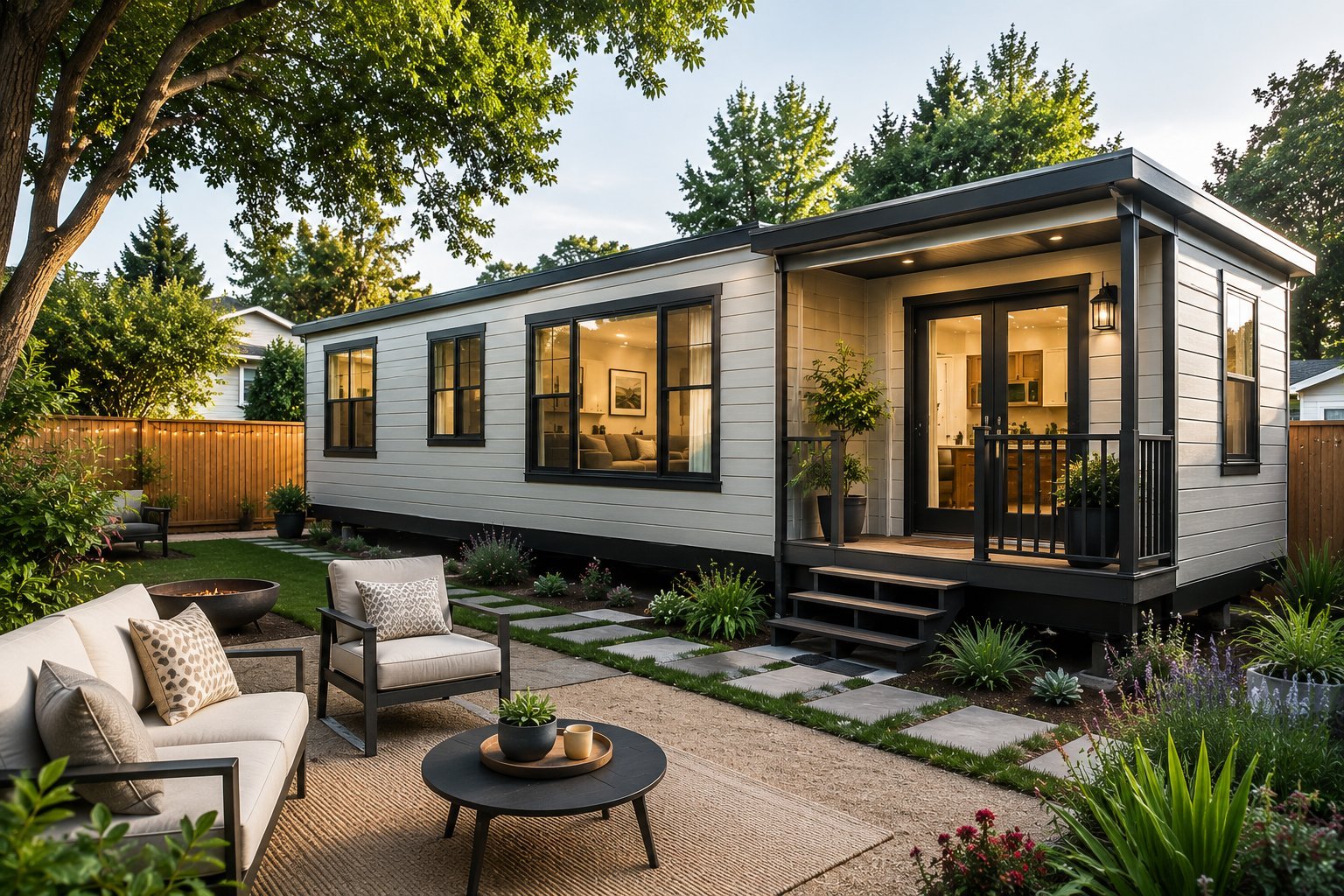
ADU mobile homes have grown into a serious housing category across California and Oregon. The combination of factory built quality, predictable pricing, and faster timelines makes them an attractive answer for homeowners who need a second living unit on their property. The modern ADU mobile home is not the mobile home of decades past. It is a code-compliant, well-built small home or cottage style structure designed to serve as a real, livable second residence.
This guide walks through what ADU mobile homes are today, the factory-built quality standards that define the category, the common floor plans and sizes available, the family use cases that make sense, and the financing options that bring these homes within reach for most buyers.
What ADU mobile homes are today
An ADU mobile home is a factory built second living unit placed on a residential property. It can take the form of a small tiny home, a cottage style structure, or a larger HUD manufactured home. The unit serves as a complete, independent living space with its own kitchen, bathroom, and daily living areas. The mobile portion refers to how the home arrives at the lot, not how it lives once placed.
Modern ADU mobile homes are built to current construction standards in controlled factory environments. Tiny homes and cottage style structures from Tiny Home Cottages follow national building code standards. HUD manufactured homes follow national HUD code construction standards. Either category can serve as a legitimate ADU when placed on a residential lot.
The factory build process delivers a different product than the mobile homes that gave the category its older reputation. The crews are consistent, the materials are protected from weather, the inspections happen continuously, and the finished home reflects the quality of the controlled environment. Buyers walking through a modern ADU mobile home are surprised by how much it feels like a small, well built house.
Factory-built quality standards
Quality in factory built homes comes from the process. Tiny Home Cottages partners with manufacturers that have decades of experience producing small homes and cottage style dwellings. The factories operate under quality assurance protocols that cover every stage of construction. Materials are selected for durability and consistency. Crews follow established build processes that have been refined over many years.
The result shows up in the details that matter. Walls are square. Doors and windows operate smoothly. Trim lines are clean. Cabinets close flush. Siding is consistent. Roofing is properly installed. The mechanical systems are professionally installed by trained crews. None of these details are exciting on their own, but together they define the experience of living in the home.
National building code standards and HUD code standards set minimum requirements for safety and durability. Quality manufacturers exceed those minimums in many areas, not just to comply but to deliver homes that hold up over years of real use. The combination of code-compliant construction and experienced manufacturing is what separates a quality ADU mobile home from a low effort alternative.
Common floor plans and sizes
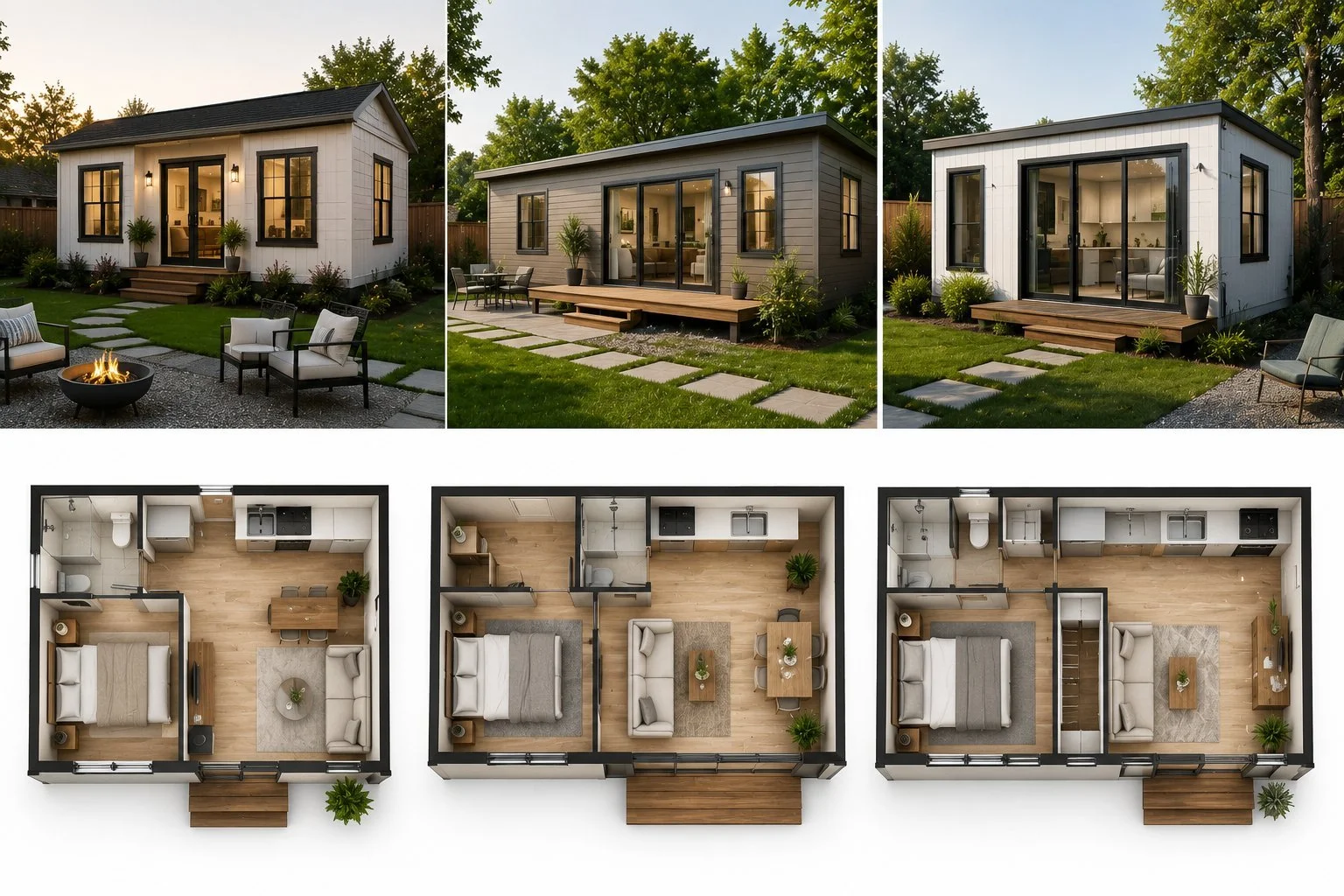
ADU mobile home floor plans cover a wide range of sizes and layouts. At the smaller end, single story tiny homes offer compact, efficient living space with approximately nine foot ceilings throughout. These work well as guest houses, long term homes for aging parents, or affordable starter homes for adult children. The footprint stays small enough to fit on tight lots.
Premium single story models add upgraded features, modern floor plans, and cement exterior siding. The size remains compact but the experience feels more like a small custom home. These suit buyers using the unit as a primary residence or long term housing.
Lofted models include a second level loft above the main living area. The vertical use of space delivers more usable square footage in a smaller footprint. Steep roof pitches and large stacked windows give the home a distinctive look while keeping the ground floor open for living, kitchen, and bath.
Cabin series cottages take a different design direction with tongue and groove pine walls and ceilings, metal roofing, and fiber cement siding. The warmer, more rustic feel fits properties with natural surroundings or buyers who want the cottage to stand on its own visually.
HUD manufactured homes are the larger end of the lineup, generally ranging from approximately 400 square feet to 1000 square feet. These work as primary residences on smaller lots or as substantial detached units for extended family living. The added square footage opens up layout possibilities that smaller tiny homes cannot match.
Family use cases
ADU mobile homes serve family use cases that traditional housing options struggle to address. The most common is housing for an aging parent or grandparent. The unit gives the family member their own space close to the rest of the family without forcing anyone into a single household. The detached structure preserves privacy for everyone while keeping support close at hand.
Adult children launching their own lives are another major use case. The cost of independent housing in California and Oregon has put a real strain on younger generations. A backyard ADU mobile home gives them a real home of their own at a much lower cost than independent rent. They build independence while staying close to family during the transition.
Multigenerational households are increasingly common. Families that want grandparents close to grandchildren but cannot share the main house find that an ADU mobile home offers the right balance. Three generations can live on the same property with the kind of separation that makes relationships work over the long term.
Downsizers form another important group. Empty nesters or older homeowners sometimes move into a smaller ADU mobile home on their property and rent the main house. This unlocks income while letting them stay in the neighborhood they know and the climate they prefer.
Guest housing for extended family, friends, or visiting professionals rounds out the most common use cases. The ADU mobile home delivers a real guest experience that converted spare rooms or hotel stays cannot match.
Financing options
Most buyers finance an ADU mobile home purchase. Tiny Home Cottages often recommends 21st Mortgage Corporation, which specializes in manufactured and mobile home loans and has been one of the leading lenders in the industry for many years. They are familiar with the factory built category and offer loan products designed for this type of home.
Down payment options range from zero percent for highly qualified buyers to higher percentages depending on credit profile and property conditions. The loan application moves through a clear sequence. You pick the home model that fits your needs and budget. You complete a loan application through the lender. You receive loan approval and review the financing terms. You lock the interest rate and submit identification, income verification, and bank statements. You sign closing documents and finalize the loan. Once everything is signed, funds are distributed and the home purchase process moves forward.
The financing path is more familiar to lenders than custom site built ADUs because the factory built category has established loan products that have been in the market for many years. Knowing the financing path before you commit to a model keeps the budget grounded and the timeline realistic.
Placement and delivery
Placement and delivery on an ADU mobile home follow a clear sequence. After the model is ordered and the financing is set, the site is prepared on your property. The pad is built, leveled, and properly sized. Utility stub-outs are placed where the home will connect. The access path from the street is cleared for the delivery truck.
When the home is ready at the factory, it is loaded, secured, and trucked to your address. A crew sets the home on the prepared pad, levels it, anchors it, and connects the basic utilities. The whole process from delivery to move-in ready usually takes hours or a single day depending on the size of the home.
Walking the property with placement in mind before you order makes the delivery smoother. Trees, fences, overhead wires, narrow gates, and tight turns can all affect access. A site review with the builder identifies any issues early so they can be planned around rather than discovered on delivery day.
If you want to see what is available in the ADU mobile home category, you can view ADU mobile home models and review real floor plans, sizes, and finish levels. Starting with real models is the fastest way to know what fits your property and your situation.
Long term value of factory built ADU mobile homes
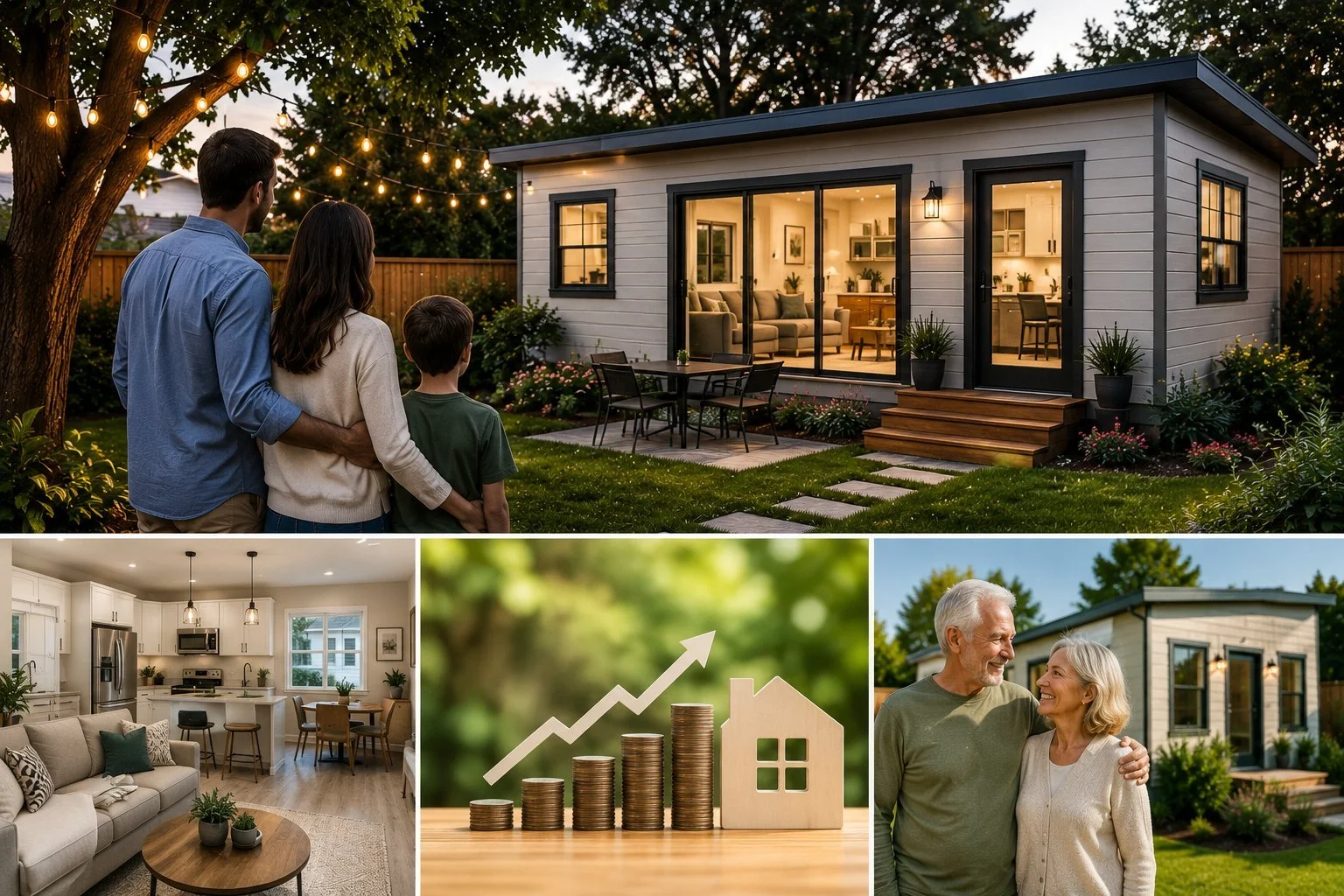
The long term value of a factory built ADU mobile home depends on the manufacturer, the maintenance, and the placement. Homes built by experienced manufacturers, maintained with regular routine attention, and placed on a properly prepared site tend to hold value reasonably well over time.
The factory build process supports long term value because the construction is consistent and the materials are selected for durability. A quality home that arrives in good condition and gets normal maintenance can serve a household for decades. The major systems are designed for sustained use and the structure is built to applicable code standards.
Resale on an ADU mobile home depends on local market conditions. In California and Oregon, demand for accessory housing has stayed strong, which supports values across the category. Homes from manufacturers with strong reputations tend to outperform homes from lower quality shops on resale.
How to think about long term flexibility
Flexibility is one of the under-discussed benefits of the ADU mobile home category. A unit that starts as a guest house can become a long term home for an aging parent. A unit set up for an adult child can transition to a rental once that child moves out. A unit that supported a multigenerational household for years can be relocated to another property if the family situation changes.
This optionality matters more as time passes. Many homeowners do not know exactly how they will use the unit five or ten years from now. A factory built ADU mobile home adapts to changing needs without major renovations. That adaptability is one of the reasons the category continues to grow across California and Oregon.