
ADU Builder Portland Oregon – Everything Homeowners Should Know
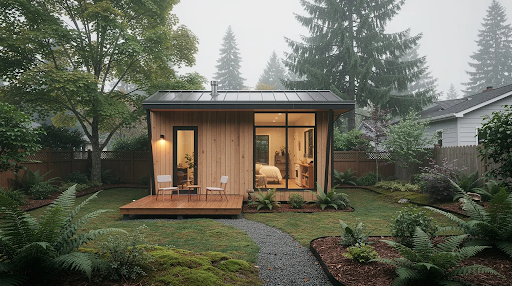
If you’re a homeowner in Portland exploring ways to add living space to your property, you’ve likely come across the term ADU. Accessory dwelling units have become a practical solution for families looking to house aging parents, create rental income, or simply make better use of their backyard. This comprehensive guide walks you through everything you need to know about working with an adu builder in portland oregon, from understanding local regulations to choosing the right detached ADU for your lot.
Key Takeaways
Portland, Oregon is one of the most ADU-friendly cities in the U.S., with clear rules for detached backyard cottages, tiny homes, and factory-built structures on residential lots.
Tiny Home Cottages focuses on detached, factory-built tiny homes and cottage style ADUs that are delivered to your property and set on a permanent foundation.
Homeowners in Portland typically use detached ADUs for multigenerational living, guest houses, downsizing, or long-term rentals rather than short term rentals.
Factory-built ADUs can shorten build timelines, offer predictable quality, and simplify the permitting and inspection process compared with traditional site construction.
Financing is often available through lenders like 21st Mortgage Corporation, with a structured application and approval process designed for manufactured and tiny homes.
Why Portland, Oregon Is a Hotspot for ADUs
Portland’s Residential Infill Project and ADU-friendly zoning have made detached accessory dwelling units common in neighborhoods like Alberta, Sellwood, Lents, Roseway, St. Johns, and Irvington. The greater portland metropolitan area now leads the country in allowing flexible backyard housing options, making it easier than ever for homeowners to add independent living space to their property.
Since around 2010, Portland has steadily relaxed ADU rules through iterative zoning changes. The city now allows up to two ADUs on many residential lots, encouraging small backyard cottages and tiny homes as a way to address affordable housing needs. These updates mean that building an adu in the portland metro area is more accessible than it was even a decade ago.
Why Portland homeowners build ADUs:
Housing family members, including aging parents or adult children
Creating long-term rental income on existing property
Downsizing on the same lot while staying close to loved ones
Adding flexible space such as home offices or guest suites
This article focuses on detached adus—backyard cottages, tiny homes, and small manufactured homes—rather than interior conversions like basements or attics. If you’re just beginning your research, you’ll find a step-by-step explanation of the process and practical guidance tailored to Portland’s codes and climate in the sections that follow.
What an ADU Means in Portland
An accessory dwelling unit in Portland is a smaller, independent home on the same lot as a primary residence. It must have its own kitchen, bathroom, and sleeping area to function as a self-contained living space under the city’s residential zoning standards.
Portland recognizes several ADU configurations:
|
ADU Type |
Description |
|
Detached backyard cottage |
Standalone structure separate from the main house |
|
Attached ADU |
Shares a wall with the primary home |
|
Garage conversions |
Existing garage transformed into living space |
|
Interior conversions |
Basement or upper-floor units within the primary residence |
Tiny Home Cottages focuses on detached structures, including factory-built tiny homes, cabin style cottages, and small HUD manufactured homes that function as standalone dwellings. These options offer independence and privacy that attached or interior ADUs cannot match.
Portland requires ADUs to meet residential building and zoning standards, including life-safety codes, utilities, and site placement rules. A qualified adu builder helps you navigate these requirements so your adu project moves forward without unnecessary delays. Size limits for detached ADUs in Portland are typically capped at 800 square feet or 75% of the primary home’s living area, whichever is smaller—a key detail that influences your choice of floor plan.
Detached ADU Options in Portland: Tiny Homes, Cottages & Small Manufactured Homes
Portland homeowners have multiple detached ADU formats to choose from. Understanding your options helps you match the right home to your budget, lot, and intended use.
Single Story Tiny Homes
These are entry-level modern homes with ground-level layouts and approximately nine-foot ceilings throughout. The accessible design makes them ideal for aging in place or creating barrier-free living space on Portland lots with slopes or obstacles.
Premium Single Story Tiny Homes
Upgraded versions feature cement exterior siding suited to the Pacific Northwest climate, modern floor plans, and enhanced finishes. The durable siding holds up well against Portland’s wet winters and provides a clean, contemporary look.
Lofted Tiny Homes
Compact units with a second-level loft, steep roof pitches, and large stacked windows work well on smaller Portland lots where maximizing vertical space is important. The loft provides extra sleeping space without increasing the footprint.
Cabin Series Cottages
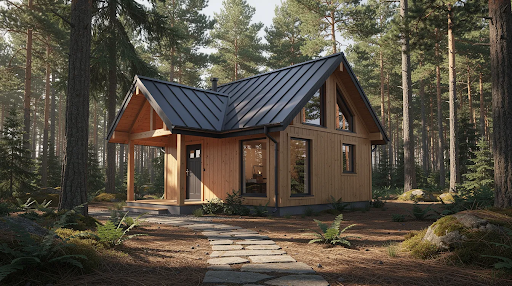
These detached ADUs feature cabin style finishes such as tongue and groove pine interiors, metal roofing, and fiber cement siding. They fit naturally in wooded or larger backyards and appeal to homeowners seeking a rustic aesthetic.
HUD Manufactured Homes
Ranging from approximately 400 to 1,000 square feet, these homes provide more room for full-time living, multigenerational households, or long-term rentals. They’re a practical choice when you need the space of a traditional house in a backyard footprint.
All of these detached units can serve as ADUs when installed on a code-compliant foundation and connected to utilities in accordance with Portland and Oregon regulations. The right choice depends on your property, your goals, and how you plan to use the space.
Factory-Built vs. Site-Built ADUs in Portland
Homeowners in Portland can choose between traditional site-built ADUs and factory-built units delivered to the property. Tiny Home Cottages specializes in factory-built options, which offer several advantages over ground-up construction in Portland’s challenging climate.
How factory-built construction works:
Factory-built homes are constructed in a controlled indoor environment under national building code standards. This approach eliminates weather delays and material damage common on rainy Portland jobsites, where site-built projects can face 8-36 weeks of disruption from winter conditions.
Key advantages for homeowners:
Consistent quality control throughout the build process
Predictable timelines, often 4-10 weeks for the factory phase
Ability to see standardized floor plans and finish packages before committing
Reduced risk of craftsmanship variability
Even though the home is factory-built, it must still comply with Oregon’s building and installation requirements, local zoning, setbacks, and foundation standards once placed in your backyard. The home becomes a permanent structure, not a temporary dwelling.
Site work in Portland includes:
Foundation construction appropriate for your lot
Utility connections (electrical, plumbing, water)
Driveway or access improvements for delivery
Required inspections by the City of Portland
Speak with a builder experienced in both Portland permitting and factory-built installation so you understand how planning, delivery, crane access, and on-site work will be sequenced. A general contractor familiar with these projects can manage construction and coordinate all the moving pieces.
How Detached ADUs Are Used by Portland Homeowners
Detached ADUs in Portland are typically long-term housing solutions rather than short-term vacation rentals. Many incentive programs offered by the city tie fee waivers or reduced development charges to rental limitations, which encourages owners to prioritize stable housing.
Multigenerational Living
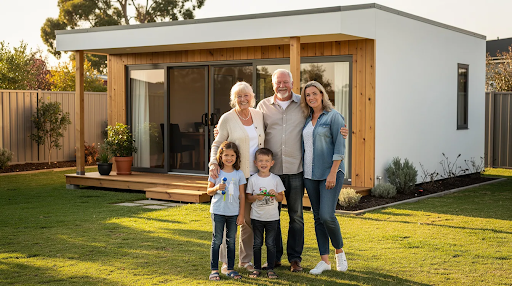
A common scenario involves building a 400-700 square foot tiny home in the backyard for aging parents. In neighborhoods like Roseway or St. Johns, families create space for parents to live independently while remaining close enough for daily support. This arrangement offers dignity and independence without the costs of assisted living facilities.
Housing Adult Children
Some Portland homeowners build a detached cottage for adult children returning after college or starting careers. The main residence remains fully used by parents or other family members, while the ADU provides privacy and a separate address for the younger generation.
Guest Houses and Home Offices
A detached ADU can function as a dedicated guest house or home office during certain life stages, then transition into a long-term rental when family needs change. This flexibility makes detached ADUs a smart investment for homeowners thinking years ahead.
Downsizing in Place
Many downsizing homeowners in the portland area sell a larger primary residence elsewhere and move into a backyard tiny home or cottage on a family member’s lot. This approach reduces maintenance costs while keeping them close to loved ones and familiar communities.
When choosing a size and floor plan, consider both current and future uses—caregiver housing, rental income, workspace, or a combination. The adu design you select today should accommodate how your life might change in five or ten years.
The ADU Process in Portland: From Idea to Backyard Home
Understanding the adu project timeline helps you plan finances, coordinate with family, and set realistic expectations. Here’s a high-level overview of how a typical detached ADU project unfolds in Portland.
Step 1: Property Review
The first step is a site evaluation to confirm basic zoning eligibility, approximate buildable area in the backyard, and possible access routes for delivery or construction. This initial assessment takes 2-6 weeks and identifies any major obstacles early.
Step 2: Model Selection
Choose a home model and approximate size that aligns with your budget, site constraints, and intended use. Options might include a 400 square foot studio, a 600 square foot one-bedroom, or a larger cabin style cottage.
Step 3: Site Planning
After selecting a model, the builder or designer develops a site plan showing ADU placement, setbacks, utility runs, and access. This plan becomes the basis for permit drawings submitted to the City of Portland.
Step 4: Permit Approval
Permits—including building, mechanical, electrical, and plumbing—must be reviewed and approved before foundation work and delivery of a factory-built unit can begin. Permit review typically takes 4-16 weeks depending on city workloads and project complexity.
Step 5: Construction and Installation
This phase includes:
Preparing the site and building the foundation
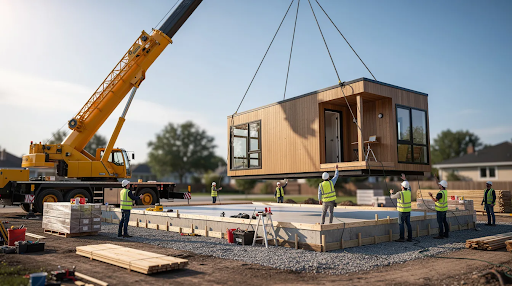
Delivering and setting the factory-built home via crane
Completing utility hook-ups
Passing required inspections
Construction timelines range from 8-36 weeks depending on weather, foundation type, and coordination requirements.
Step 6: Final Inspection and Occupancy
Once all inspections pass, you receive approval to occupy the ADU. Total project timelines typically span 6-12 months for detached units.
Choose an ADU builder or provider that offers coordinated project support—from model selection and financing guidance through permitting, delivery, and final inspection—to reduce costs and stress throughout the process.
Financing a Factory-Built ADU in Portland
Many Portland homeowners finance detached ADUs separately from their primary home, especially when the ADU is a manufactured or factory-built tiny home. Traditional mortgage products don’t always fit these projects, which is why specialty lenders exist.
Tiny Home Cottages often suggests lenders like 21st Mortgage Corporation, which focus on manufactured and mobile home loans. These lenders understand small home financing and can work with buyers who might face challenges with conventional banks.
Typical financing sequence:
Select a home model and confirm approximate pricing
Complete a loan application with required documentation
Receive conditional approval and review financing terms
Lock the interest rate and submit additional documents (ID, income verification, bank statements)
Sign closing documents and finalize the loan
Funds are released according to the lender’s schedule
Down payments may vary from zero percent for highly qualified buyers to higher percentages depending on credit profile, income, and property specifics. Always discuss all terms directly with the lender before committing.
Compare financing options including home equity loans or lines of credit. Ask your ADU provider for examples of how other Portland homeowners have financed similar projects. Real-world examples often reveal strategies you hadn’t considered.
Choosing an ADU Builder or Provider in Portland
An experienced adu builder familiar with Portland’s climate, codes, and small-lot challenges can make the difference between a smooth project and a frustrating one. Your choice of builder affects timeline, quality, and how much stress you experience along the way.
Key qualities to look for:
Verified experience with detached ADUs in portland oregon
Understanding of local zoning and permitting requirements
Clear communication about schedule and responsibilities
Expertise with factory-built homes and manufacturer coordination
Ability to handle both site prep and utility connections
Review example floor plans and photos of completed projects. Look for details like how builders address Northwest weather challenges, natural light in smaller spaces, and privacy from neighboring properties. The flooring, appliances, and finishes should reflect quality appropriate for Portland’s climate.
Ask about warranty coverage on both the factory-built home and site work. A custom adu builder should also offer post-completion support for questions about maintenance or potential upgrades. This ongoing relationship matters more than most homeowners realize.
Tiny Home Cottages positions itself as a guide through the whole process, helping clients match models to their needs, explore financing, and understand each project milestone. Working with a team that handles the full scope—from dream to reality—helps you realize your vision without getting lost in detail.
Understanding Portland Rules That Affect Detached ADUs
While Portland is generally supportive of ADUs, homeowners still need to follow specific rules about size, placement, parking, and long-term use. Understanding these regulations helps you avoid surprises during the permitting process.
Size Limits
Detached ADUs in Portland are typically capped at 800 square feet or 75% of the primary home’s living area, whichever is smaller. For example, if your main residence is 1,000 square feet, your ADU is limited to 750 square feet. If your primary home is 2,500 square feet, the 800 square foot cap applies.
Parking Requirements
Many Portland neighborhoods do not require an extra off-street parking space for an ADU, though existing parking for the main house usually needs to be maintained. This flexibility makes it easier to convert driveways or use backyard space without building additional parking.
Overlay Districts
Certain overlays—such as historic districts like Irvington or Ladd’s Addition, environmental zones, or steep slopes—may add extra review steps or adu design requirements for backyard cottages and tiny homes. These reviews ensure new build structures respect existing architectural character.
Rental Restrictions
Participation in some fee-waiver or incentive programs can limit how an ADU is used, especially regarding short term rentals. If you’re counting on nightly rental income, review city rules carefully before proceeding.
Consult the City of Portland’s current ADU guidelines or work with an ADU-experienced provider to confirm how the rules apply to your specific address and property conditions. Rules can change, and what applies in one neighborhood may differ from another.
Is a Factory-Built ADU Right for Your Portland Property?
Deciding between factory-built and site-built ADUs is a big decision that depends on your lot, timeline, budget, and priorities. This quick decision guide can help you think through the choice.
Consider Your Lot
Evaluate your backyard for delivery truck and crane access, slopes, mature trees, and proximity between the planned ADU and your primary residence. Factory-built homes require enough space for equipment to maneuver during installation.
Evaluate Your Timeline
Homeowners who value predictable timelines, standardized designs, and controlled construction environments often prefer factory-built ADUs. If you need housing for family members within six to nine months, factory construction typically offers more certainty than custom site-built projects.
Assess Your Design Needs
Those seeking highly customized architecture or integrated additions to historic homes may be better served by a traditional architect-builder team. Factory-built homes offer excellent quality and efficiency, but they work best when homeowners are comfortable with established floor plans and finish packages.
List Your Priorities
Write down your top concerns—housing parents quickly, maintaining a specific budget, minimizing backyard disruption, or creating long-term property value. Use those priorities to evaluate which ADU approach makes the most sense.
The next step is usually a free consultation with an ADU provider to discuss specific models, pricing ranges, and site feasibility for your Portland address. Generic estimates only get you so far—real knowledge comes from evaluating your actual property.
Frequently Asked Questions
How long does a factory-built detached ADU project usually take in Portland?
Plan on several months for a complete project, including time for model selection, financing, permit review by the City of Portland, factory construction, site work, and final inspections. The factory build itself often takes 4-10 weeks, but the overall schedule depends on local permitting workloads, weather during foundation work, and utility coordination. Ask your ADU provider for a project-specific timeline based on recent Portland projects, since total timelines typically range from four to twelve months depending on complexity.
Can a tiny home or cottage style ADU be my primary residence in Portland?
In many cases, a factory-built tiny home or cottage can serve as a primary dwelling when sited on a code-compliant foundation, connected to utilities, and approved as a legal residential unit by Portland and the state. Some homeowners choose to live full-time in the detached ADU while renting out or sharing the original main house, particularly when downsizing or simplifying their life. Confirm with your local planning and building departments, as well as your lender, that your intended use is allowed for the specific home type and property.
Do I need a separate address and utilities for my Portland ADU?
Detached ADUs in Portland are designed as independent living spaces with their own kitchen, bathroom, and bedroom areas, but they often share utility connections with the main house. Some situations may involve separate electrical subpanels, dedicated water shut-offs, or individual meters depending on your plans and utility company policies. Discuss metering, billing, and shut-off preferences with your ADU builder and local utility providers early in the planning process.
Are factory-built ADUs allowed in Portland historic districts?
Detached ADUs may be possible in historic or conservation districts, but additional design review is typically required to ensure the new structure respects existing architectural character. Even when the ADU is factory-built, exterior appearance, height, and placement must satisfy local historic guidelines. Homeowners in areas like Irvington or Ladd’s Addition should consult with both the city and an ADU-experienced provider early to understand any extra steps before ordering a home.
What kind of maintenance do tiny home and cottage style ADUs need in Portland’s climate?
Portland’s wet winters and mild summers mean exterior materials and roofs should be chosen for durability and moisture resistance. Fiber cement siding and metal or high-quality shingle roofing perform well in this environment. Regular maintenance includes gutter cleaning, roof inspections, caulking checks, and servicing heating and cooling systems like mini-splits to maintain energy efficient operation. Ask your ADU provider for a maintenance checklist tailored to the specific model and materials so you can schedule annual upkeep appropriately.
Building a detached ADU in Portland is a big decision that can transform your property and create lasting value for your family. Whether you’re housing parents, creating granny flats for other family members, generating rental income, or simply adding flexible space, the process requires expertise and careful planning.
The professionals at Tiny Home Cottages specialize in guiding Portland homeowners through every phase—from exploring models and understanding washington and oregon regulations to securing financing and completing installation. If you’re ready to explore what’s possible for your backyard, reach out for a conversation about your specific property, goals, and budget. Your dream of an independent backyard home may be closer to reality than you think.