
ADU Builder San Diego CA: Costs, Regulations, and Design Ideas
Key Takeaways
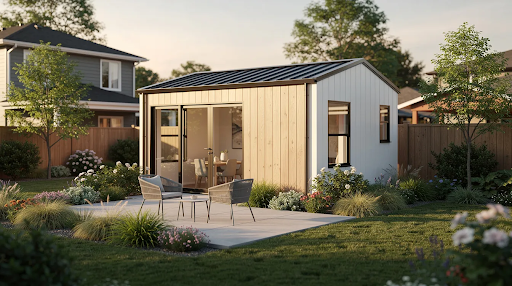
Detached ADUs in San Diego can typically reach up to 1,200 square feet, with California law directing permit reviews to complete in roughly 60 days for complete applications.
Factory-built tiny homes and cottages from Tiny Home Cottages provide a faster, more predictable path to a backyard ADU than traditional site-built construction.
Complete detached ADU projects in San Diego County often fall in the low to mid six figures depending on unit size, site conditions, and finish levels.
San Diego homeowners are increasingly choosing factory-built options to shorten on-site construction time and reduce property disruptions.
This article covers San Diego ADU regulations, realistic costs, popular design ideas, and how Tiny Home Cottages helps with models, financing options, and the full purchase process.
Why San Diego Homeowners Are Turning to Detached ADUs
San Diego’s housing shortage has pushed rental prices higher year after year, making additional housing units on existing residential lots increasingly attractive. Since 2020, California state law changes have significantly simplified ADU regulations, removing many barriers that previously discouraged homeowners from adding backyard cottages and guest houses to their properties.
The most common reasons San Diego homeowners pursue a new ADU include:
Long-term rental income: A detached ADU can generate extra income that helps offset mortgage payments or builds savings, particularly in high-demand neighborhoods throughout the San Diego area.
Housing for aging parents: Many families want to keep elderly parents close while maintaining separate living spaces, creating a functional living space that preserves independence for everyone.
Returning adult children: “Boomerang” kids coming back after college or during career transitions often need housing, and a backyard home provides privacy without the cost of a separate apartment.
Guest cottages: Frequent visitors or short-term guests get comfortable accommodations without disrupting the main house.
Downsizing options: Homeowners who want to stay in their neighborhood can build an ADU, move into it, and rent out their existing home.
Detached ADUs preserve privacy for both the primary residence and the new unit, which is especially important on smaller city lots in areas such as North Park, La Mesa, and Chula Vista. Unlike attached ADUs or garage conversions, a separate backyard structure creates distinct boundaries between living spaces.
Many San Diego homeowners are now choosing factory-built tiny homes instead of traditional stick-built construction. This approach shortens on-site build time and reduces the noise, dust, and traffic that come with extended construction projects.
San Diego ADU Regulations You Should Know (2024–2025)
California state law, particularly updates effective from 2020 through 2024, largely controls ADU rules across the state. The City of San Diego and San Diego County apply these regulations locally, though some variations exist depending on the specific jurisdiction and zoning overlay.
Here’s what San Diego homeowners need to understand about current regulations:
Allowed locations: Most single-family and many multifamily residential lots across San Diego County can add at least one detached ADU. This includes properties in Oceanside, Carlsbad, Escondido, and throughout the greater San Diego area. Properties in the Coastal Overlay Zone may require additional review, including a Coastal Development Permit.
Size limits: Detached ADUs are typically allowed up to 1,200 square feet. Practical maximums may be further limited by lot coverage requirements, height restrictions (often 16 to 24 feet depending on the zone), and local design standards.
Number of units: State law generally allows at least one ADU and often one Junior ADU (JADU) on single-family lots. Some San Diego programs, such as density bonus programs, may allow additional units on qualifying properties.
Parking requirements: Many ADUs in San Diego require no additional parking spaces, especially when the property is near transit or the ADU involves a garage conversion. However, coastal areas and certain overlays may have exceptions that require off-street parking.
Permit timing: California law directs agencies to complete ADU permit reviews in roughly 60 days for a complete application. Actual timelines vary by jurisdiction based on workload and project complexity.
The permitting process involves submitting engineered plans, demonstrating energy compliance, and completing local application forms. Properties near canyons or in high fire severity zones may face additional review steps. Working with experienced ADU builders who understand these requirements can save significant time during the design phase.
What Does a Detached ADU Cost in San Diego CA?
Total ADU cost includes both the structure itself and all site-related work such as foundation preparation, utility connections, grading, and local permit fees. Understanding this full picture helps homeowners budget realistically for their construction project.
Factory-built detached ADUs in San Diego County typically fall into these general ranges:
Small studio and one-bedroom units often land in the low six figures when fully installed, making them accessible for homeowners seeking a compact backyard home.
Larger cottages ranging from 800 to 1,200 square feet typically move into higher ranges, with final costs depending on interior finishes, site conditions, and utility distances.
Factory-built tiny homes from Tiny Home Cottages are constructed in a controlled environment under national building code standards. This approach keeps labor costs more predictable compared to fully custom stick-built ADUs, where on-site conditions and trade scheduling can drive unexpected expenses.
Primary cost drivers include:
Unit size (a 400 square foot studio costs less than a 1,000 square foot cottage)
Whether the home includes a loft
Level of interior finishes and appliance packages
Distance to existing sewer and electrical connections
Grading, retaining walls, or other site preparation on sloped San Diego lots
Specific city or county fees
Soft costs to consider:
Building department permit fees
School impact fees for larger units
Utility connection charges
Coastal or fire-related reviews in hillside or brush zones
Tiny Home Cottages helps homeowners understand costs early in the process by walking through chosen models, estimated site work ranges, and available financing options. This transparency prevents price surprises late in the project when changing course becomes expensive.
Factory-Built vs. Site-Built ADUs in San Diego
Factory-built tiny homes are constructed under national building code standards in a controlled plant environment, then transported to the property for installation. Traditional site-built ADUs are constructed entirely on-site, from foundation to roof, using local labor and materials delivered over the course of the project.
Factory-built advantages: Consistent quality control, weather-protected construction that avoids rain delays, shorter on-site build time, and predictable scheduling that avoids common trade delays. One major benefit is that prefab ADU installation can occur within 24 hours once the foundation is ready.
Manufacturer experience: Tiny Home Cottages works with experienced manufacturers who have spent decades building small homes and cottage-style dwellings. This expertise ensures repeatable designs and vetted details for plumbing, electrical, and insulation systems.
Site-built considerations: Custom ADUs built entirely on-site can offer extreme customization and may work better for unusually shaped or steep sites. However, they typically require longer construction timelines and expose homeowners to more price variability.
Neighborhood suitability: In many San Diego neighborhoods with standard backyards—such as Clairemont, Mira Mesa, and Santee—a factory-built tiny home can be craned or moved into place efficiently once the foundation and utilities are prepared.
Working with a single company that handles both design and construction coordination can make the whole process approximately 25% faster than managing multiple contractors independently. Homeowners should compare both approaches based on timeline, quality controls, and personal project management investment—not just initial price.
Tiny Home Cottages Models for San Diego Backyards
Tiny Home Cottages focuses on detached tiny homes and cottage-style ADUs designed to serve as independent living spaces on residential properties across California and Oregon, including San Diego County. Each model type addresses different homeowner needs and lot conditions.
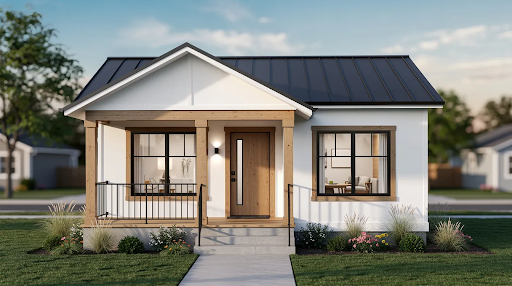
Single-story tiny homes: These entry-level models feature modern layouts with approximately nine-foot ceilings throughout. Their efficient footprints work well on smaller lots in areas like City Heights or National City, making them ideal for studios or one-bedroom backyard cottages.
Premium single-story tiny homes: These include upgraded finishes, cement exterior siding that holds up well in coastal conditions, and floor plans that feel like compact modern homes rather than basic cabins.
Lofted tiny homes: Featuring steep roof pitches and large stacked windows for natural light, these models include versatile loft spaces that can serve as sleeping areas, storage, or small home offices. They’re especially appealing for younger residents or guest units.
Cabin series cottages: With tongue-and-groove pine interiors, metal roofing, and a cozy cabin aesthetic, these models work well for mountain-style or rustic settings in places like Alpine or rural East County.
HUD manufactured homes: These larger units range roughly from about 400 to around 1,000 square feet, suitable when homeowners want a more substantial detached home for full-time living or downsizing while staying on their existing property.
Each model type can be matched to specific San Diego use cases based on lot size, neighborhood character, and intended occupants.
ADU Design Ideas for San Diego Properties
Design decisions for an ADU in San Diego should respond to both the lot conditions and the intended use—whether that’s a long-term rental unit, family housing, or a personal retreat space. Thoughtful design makes even compact footprints feel comfortable and functional.
Space planning for small footprints: Open-concept living areas work best in compact spaces. Combined kitchen and dining areas, built-in storage solutions, and large windows bring in San Diego’s natural light and make 400 to 600 square foot layouts feel larger than their actual dimensions.
Exterior design choices: Durable siding materials like cement board stand up well to coastal air and require minimal maintenance. Coastal-friendly roofing materials and colors that complement the main house help the ADU fit neighborhood styles found in Point Loma, La Jolla, or Hillcrest.
Outdoor connections: Patios, small decks, and sliding doors that open the ADU to the yard create additional living space. San Diego’s mild climate makes year-round indoor-outdoor living practical, effectively expanding the usable square foot count.
Interior finish ideas: Vinyl plank or laminate flooring offers durability for rental units. Compact appliance packages maximize counter space, walk-in showers save space compared to tubs, and thoughtful lighting schemes eliminate dark corners that make small spaces feel cramped.
Tiny Home Cottages’ modern and cabin-style models already incorporate many of these design principles, giving homeowners a head start with curated floor plans and finish options rather than designing from scratch.
How the ADU Process Works with a Factory-Built Home
While a factory builds the home itself, homeowners still need site preparation, foundation work, utility connections, and local approvals in San Diego or surrounding cities. Understanding how the entire process works helps set realistic expectations.
Initial planning: Review the property’s zoning, setbacks, and access routes for delivery. Identify any special conditions such as high fire severity zones, Coastal Overlay Zone requirements, or canyon setbacks that might affect placement or permitting.
Model selection: Choose a Tiny Home Cottages model and floor plan that fits both the lot and the intended use. Options include standard or premium finishes, optional lofts, and cabin-style interiors depending on homeowner preferences.
Permitting phase: Coordinate engineered plans, energy compliance documentation, and local application forms. The city or county reviews the factory-built unit specifications alongside the foundation design. This construction phase of approvals typically targets 60 days for complete applications.
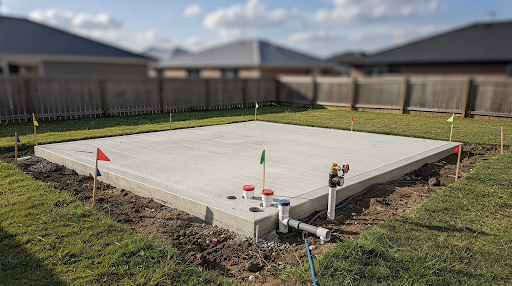
Site work and installation: Prepare the foundation or support system, bring in utility lines for sewer, water, and electrical, receive the home once it arrives from the factory, set it in place, and make final connections.
Inspections and move-in: Local inspectors sign off on foundation, utility hookups, and final installation. After the final inspection is complete, the detached ADU can be occupied by family members or tenants.
Tiny Home Cottages guides buyers through the home selection and purchasing process and coordinates with lenders. Homeowners work with local ADU contractors and their jurisdiction for on-the-ground site work and building permit applications. This coordinated approach keeps the project moving forward efficiently.
Financing a Factory-Built ADU in San Diego
Many San Diego homeowners use financing to spread the cost of a detached ADU over time, especially when they plan to offset monthly payments with rental income from the completed unit.
Recommended lender: Tiny Home Cottages often recommends 21st Mortgage Corporation for financing. This lender specializes in manufactured and mobile home loans and has long experience in this specialized type of financing.
Down payment expectations: Well-qualified buyers may see options with low or even zero percent down. Others may need higher down payments depending on credit profile, income verification, and property details. Construction loans may also be available through some lenders.
Typical loan application process: Choose the home model that fits needs and budget, complete a loan application, receive approval terms, lock the interest rate, submit required documentation including income verification and identification, then sign closing paperwork.
Fund distribution: Once the loan is finalized, funds are distributed and the home purchase moves forward. The homeowner continues coordinating site preparations and local permits in San Diego while the home is being built.
Homeowners should review monthly payment expectations alongside potential rental income or family housing savings when deciding on ADU size and finishes. The extra income potential often helps justify moving forward with a larger or more finished unit.
Choosing an ADU Builder or Partner in San Diego CA
San Diego homeowners should look for partners who understand both California ADU law and the practical realities of building across the region’s varied neighborhoods and terrain. The right team makes the difference between a smooth project and months of frustration.
Key qualities to look for in ADU builders in San Diego:
Familiarity with city and county ADU ordinances, including Coastal Overlay Zone requirements
Clear communication about total project costs from the start
Realistic timelines based on current permit processing speeds
References from recent ADU clients who can share their experience
ADU expertise demonstrated through completed projects
With factory-built options, homeowners often work closely with two coordinated teams—Tiny Home Cottages for the home itself and a local site contractor for foundation and utilities—rather than a single design build firm handling everything. This approach can be more efficient than traditional general contracting.
When comparing options, evaluate factory-built and site-built bids not just on initial price, but on:
Construction timeline from start to move-in
Quality controls and warranty coverage
How much time you must personally invest in managing the adu project
Tiny Home Cottages positions its homes as high-quality detached units built under national standards, offering multiple model types so homeowners can focus on choosing the right design rather than starting from scratch with custom designs. The experienced team helps navigate model selection, and many homeowners report a wonderful job guiding them through the process.
The best ADU builders and top ADU contractors in the San Diego area will provide a free estimate and walk you through realistic expectations before you commit. Top ADU builders understand that transparency early prevents problems later.
FAQ: San Diego ADUs and Factory-Built Tiny Homes
Can I place a factory-built tiny home ADU on any residential lot in San Diego?
Most single-family residential lots in San Diego and many throughout the wider county can host at least one ADU. However, each property must still meet basic requirements such as setbacks from property lines, adequate access for delivery equipment, and utility availability for water, sewer, and electrical connections.
Lots in the Coastal Overlay Zone, near canyons, or in high-fire-risk areas may have extra review steps. Homeowners should verify their parcel’s specific conditions with the city or county planning department before committing to a layout. An existing structure like a garage might also affect placement options.
How long does it take to complete a detached ADU using a factory-built home?
The overall timeline includes several distinct stages: several weeks to complete feasibility assessment and permits, a defined factory build schedule for the home itself (typically several weeks to a few months depending on model and manufacturer workload), and then on-site work for foundation, delivery, and final hookups.
While California law aims for ADU permit review in about 60 days for complete applications, total project duration depends on local permit processing workloads, utility coordination timing, and site complexity. Many ADUs using factory-built homes reach completion faster than traditional site-built construction.
Do factory-built ADUs meet the same codes as site-built units?
Tiny Home Cottages works with manufacturers building under national building code standards and quality assurance programs. These units are engineered to meet or exceed structural, energy, and safety requirements applicable to residential construction.
Local building departments still review and inspect the foundation, utility connections, and installation to confirm that the complete ADU complies with applicable state and local codes. The combination of factory quality control and local inspection provides multiple checkpoints for the construction project.
Can I customize the layout and finishes of a Tiny Home Cottages ADU?
Homeowners choose from a range of model types—single-story, premium, lofted, cabin series, and HUD manufactured homes—and can typically select finishes, color schemes, and certain layout options within each design. Pre approved plans speed the permitting process while still offering meaningful choices.
While factory-built homes are not fully custom in the way a one-off architectural design might be, they offer a balance of choice and efficiency that keeps costs and timelines more predictable. ADU designers have already optimized these floor plans for livability.
Will a detached ADU increase my property taxes significantly?
In California, adding an ADU usually triggers a new assessment on the value of the improvement itself rather than a full reassessment of the original home’s property value. This means your existing home maintains its current assessed value while only the ADU addition gets assessed at current market rates.
Specific tax impacts depend on county assessor calculations and final project cost. Homeowners in San Diego County should discuss expected property tax changes with a local tax professional or contact the county assessor’s office before starting an ADU project. The many benefits of rental income or family housing often outweigh the increased tax obligation.
What’s the difference between attached ADUs and detached ADUs for my property?
Attached ADUs connect directly to the existing home, such as a garage conversion or addition to the main house. These can be more affordable since many plumbing and electrical connections are already in place. Detached ADUs stand as separate structures in the backyard, providing more privacy and flexibility in placement.
For homeowners prioritizing a perfect solution that preserves privacy for both households, detached ADUs typically work better. A market analysis of rental rates in your neighborhood can help determine which option delivers the best return. Either approach creates valuable living space on your property.
