
ADU Builder San Jose CA: Permits, Zoning and Design Tips
Key Takeaways
San Jose allows detached ADUs citywide on most single-family and many multifamily lots, with typical sizes ranging from 400 to 1,200 square feet depending on zoning and lot characteristics.
California state laws including SB 9, SB 897, and AB 1033 have streamlined the process since 2020, making it easier than ever to add backyard cottages, tiny homes, and detached ADUs in San Jose.
Using a factory-built tiny home or cottage as your detached ADU can significantly shorten build time and improve construction quality compared to traditional site-built methods.
Total ADU cost in San Jose typically ranges from $220,000 to $400,000 depending on size, finishes, and site work, while well-located rental units can command $2,500 to $3,500 per month in 2024.
This guide provides practical zoning, permitting, and design tips specifically for San Jose homeowners considering a detached ADU, backyard home, or tiny home project.
Understanding ADUs in San Jose
An accessory dwelling unit is simply a secondary housing unit on a residentially zoned property that includes complete independent living facilities—sleeping, cooking, and sanitation areas. San Jose stands out as one of California’s strongest ADU markets due to high housing costs driven by tech employment, strong rental demand, and limited land availability in Silicon Valley.
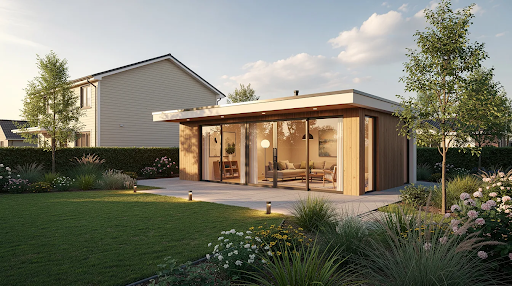
This article focuses specifically on detached backyard cottages, tiny homes, and small manufactured homes used as ADUs—not room additions or attached structures. These separate living space options offer distinct advantages for homeowners seeking rental income, multigenerational housing solutions, or flexible property arrangements.
San Jose follows both California state ADU laws and the City of San José Municipal Code Title 20, which has been updated multiple times between 2020 and 2024 to comply with mandates like SB 9, SB 897, AB 1033, and AB 2533.
A practical example: a 600 to 800 square foot detached ADU behind a single-family home in Willow Glen or Cambrian being used for aging parents, an adult child, or as a rental unit.
To clarify the terminology, detached ADUs are new builds separate from the primary home, attached ADUs are additions to the main house, garage conversions repurpose existing structures, and junior ADUs (JADUs) are internal to the primary home under 500 square feet. While all have their place, this article leans toward detached units and factory-built options that create a truly separate entrance and private living arrangement.
San Jose ADU Zoning Basics in 2024
Most single-family and many multifamily lots in San Jose are now eligible for at least one ADU under combined state and city rules. The aggressive policy alignment with California’s housing goals has resulted in San Jose doubling ADU permits over the past five years, with over 1,500 permitted since 2022.
Zoning Districts Where ADUs Are Typically Allowed:
|
Zoning Type |
ADU Eligibility |
Notes |
|
R-1 Single-Family |
Allowed |
Most common for detached ADUs |
|
R-2 Two-Family |
Allowed |
May support multiple ADUs on larger lots |
|
R-M Multifamily |
Often Allowed |
Distribution rules may apply |
|
Hillside/Historic Overlays |
Conditional |
Additional constraints may apply |
Homeowners can verify their zoning through the City of San José online zoning map before beginning any adu project.
Typical detached ADU size limits in San Jose range from 1,000 to 1,200 square feet depending on lot size and zoning, with state law preempting stricter local limits.
Height limits for detached structures generally fall between 16 and 24 feet, with pitched roofs like those in lofted tiny homes sometimes reaching the upper range.
Most single-family lots can accommodate at least one ADU and possibly a JADU in addition, thanks to recent California legislation expanding housing options.
Minimum setbacks for detached ADUs have been reduced under state law to around 4 feet for rear and side yards, but homeowners should confirm exact setback requirements with current city code at the time of design.
Lots with alleys or corner locations often have more flexibility for ADU placement and parking solutions than interior lots, making them particularly attractive for new adu construction.
The san jose team at the city planning department can help clarify any geohazard, flood, or other overlay restrictions that might affect your specific property.
Permits and Approvals for a San Jose ADU
San Jose ADUs require planning and zoning review, building permits, and various trade permits—even when using factory-built units. Understanding the entire process upfront helps ensure your project moves forward smoothly without unexpected delays.
Main Permit Steps:
Preliminary zoning feasibility check using the ADU Universal Checklist
Pre-application guidance from city planning
Full plan submission including site plan, floor plans, elevations, and utility connections
City review and comments from Planning, Building, Public Works, and Fire departments
Revisions if needed based on department feedback
Final permit issuance and construction authorization
California law now requires cities like San Jose to review complete ADU applications within approximately 60 days under ministerial review standards. However, homeowners should realistically expect 2 to 4 months from first submittal to final approval in real-world cases due to revisions, workload, and complexity.
The permit process differs between factory-built and site-built construction:
|
Construction Type |
Primary Review Focus |
Typical Complexity |
|
Factory-Built/Manufactured |
Foundation, installation, utility tie-ins |
Moderate |
|
Fully Site-Built |
Entire structure, all systems |
Higher |
Factory-built units arrive already inspected under national or state building codes, shifting local review to foundation work and connections. Site-built ADUs require the Building Division to review structural integrity, energy efficiency, electrical, plumbing, and fire safety for the entire project.
Required documentation typically includes:
Grading and foundation plans
Utility connection plans (water, sewer, electric)
Site plan showing ADU placement and setbacks
Architectural plans meeting San José building and fire codes
Tree and landscape plans if applicable
Regarding impact fees, many cities including San Jose reduce or exempt certain fees for ADUs under 750 square feet. Larger units may still incur school or other fees, so factor this into your overall adu cost calculations.
Design Tips for a Detached ADU or Tiny Home in San Jose
Good ADU design combines California Building Code requirements, San Jose zoning rules, and everyday comfort for long term living or rental purposes. The right design choices can make a compact space feel spacious while maximizing functionality for occupants.
Recommended ADU Sizes for Different Purposes:
|
Size Range |
Layout |
Best For |
|
400-500 sq. ft. |
Studio |
Guest housing, minimal family use |
|
600-750 sq. ft. |
One-bedroom |
Couples, rentals, single occupants |
|
800-1,000 sq. ft. |
Two-bedroom |
Small families, roommate rentals |
Designs with high ceilings (around 9 feet), open floor plans, and large windows help make compact homes feel significantly larger while bringing in natural light.
Separate, private entrances with small patios or decks and purposeful landscaping create privacy between the main house and the ADU in dense neighborhoods.
Universal design features like step-free entries, wider doors, walk-in showers, and good lighting support aging parents or mobility-limited residents who may use the extra space.
Energy efficiency matters: double-pane windows, high R-value insulation, efficient mini-split HVAC systems, and rooftop solar compatibility align with California’s energy code while reducing operating costs.

Choosing Between Site-Built and Factory-Built ADUs
San Jose homeowners can choose between a traditional site-built ADU or a factory-built tiny home or cottage set on a permanent foundation. Each approach has distinct advantages depending on your priorities, timeline, and budget.
Advantages of Factory-Built Construction:
Controlled indoor building environment with consistent quality
Less exposure to weather delays and material damage
Faster on-site installation once permits and foundation are ready
Predictable pricing through standardized manufacturing processes
Built under national building codes with quality assurance protocols
Factory-built units undergo inspection during production, while the local building department in San Jose focuses on installation, foundation, and utility tie-ins. This can significantly streamline the permitting and construction phases.
Site-built ADUs offer hyper-customization to match your exact lot and existing architecture, but typically involve:
Longer onsite construction project timelines (8-14 months total)
More construction noise affecting your household
Greater exposure to labor shortages and schedule variability
Weather-related delays during the building process
Detached tiny homes and cottage-style units have become especially popular in San Jose backyards where access for cranes and trucks is reasonably good. Many neighborhoods accommodate delivery of factory-built structures with proper planning.
Using a Tiny Home or Cottage as Your San Jose ADU
Factory-built tiny homes, lofted cottages, and small manufactured homes represent practical detached ADU solutions for San Jose homeowners who want quality construction, predictable timelines, and modern design. These homes arrive ready for installation on a permanent foundation after being built in a controlled factory environment.
Single-Story Tiny Homes
Single-story tiny homes with approximately nine-foot ceilings and modern layouts offer an ideal option for seniors, couples, or small families needing a ground-level ADU. The open floor plans maximize usable living space while maintaining accessibility throughout.
Premium Single-Story Models
Premium single-story models feature upgraded finishes and cement exterior siding, making them a good match for San Jose neighborhoods where homeowners want the ADU to complement an existing high-value primary home. These homes blend seamlessly with established residential architecture.
Lofted Tiny Homes
Lofted tiny homes with steep roof pitches and large stacked windows add sleeping or storage space without increasing the footprint—particularly useful on smaller urban lots where every square foot counts. The vertical design creates visual interest while maximizing functionality.
Cabin-Style Cottages
Cabin-style cottages featuring tongue and groove pine interiors and metal roofs appeal to homeowners who want a more rustic or retreat-like feeling. These work well in settings like Willow Glen, Almaden Valley, or foothill properties where a natural aesthetic complements the surroundings.
HUD Manufactured Homes
HUD manufactured homes in the 400 to 1,000 square foot range can sometimes be used as detached ADUs where zoning and installation standards allow. These provide more square footage in a single unit for homeowners needing additional space for a family member or rental purposes.

Common Use Cases for San Jose Detached ADUs
San Jose homeowners pursue detached ADUs for diverse reasons, each offering unique benefits for families and property owners.
Multigenerational Housing
Housing for aging parents to avoid long commutes from other Bay Area cities
A private unit for a recent San José State University graduate starting their career
A home for an adult child working in the tech corridor who wants independence with proximity
Income Generation
Multigenerational living where a parent downsizes into a backyard cottage while the younger family uses the main house, with potential to rent the primary home later
A backyard cottage used as a long-term rental unit near major employers or transit, bringing consistent rental income to offset a Silicon Valley mortgage
Lifestyle Flexibility
A dedicated home office or studio with separation from the main home, especially valuable for remote tech workers and consultants
Aging-in-place planning where homeowners eventually move into the accessible ADU and rent out the primary house for retirement income
The san jose adu market benefits from proximity to major tech employers, excellent transit options, and strong demand from renters seeking quality housing. A well-designed dream adu can serve multiple purposes over time as family needs evolve.
Costs, Financing, and Rental Potential
Total adu cost in San Jose depends on size, finishes, site conditions, and whether the home is site-built or factory-built. Understanding realistic construction costs upfront helps homeowners plan appropriately and explore financing options.
General 2024 Cost Ranges for Detached ADUs in San Jose:
|
Project Type |
Typical Range |
Key Factors |
|
Smaller detached ADU (400-600 sq. ft.) |
$220,000-$280,000 |
Site prep, utility connections |
|
Mid-size detached ADU (600-900 sq. ft.) |
$280,000-$350,000 |
Finishes, complexity |
|
Larger/custom ADU (900-1,200 sq. ft.) |
$350,000-$400,000+ |
Premium materials, site challenges |
Factory-built tiny homes and cottages often offer more predictable pricing because much of the work happens in the factory under a standardized process. This reduces the variability that can drive up costs with traditional site-built construction.
Common Financing Options:
Home equity loans against existing property value
HELOCs (Home Equity Lines of Credit)
Cash-out refinancing of your primary mortgage
Specialized manufactured home loan programs
Lenders like 21st Mortgage Corporation specialize in manufactured and mobile home loans, offering options with down payments ranging from zero percent for well-qualified buyers to higher percentages depending on credit profile and property conditions.
Typical Loan Application Process:
Choose the home model that fits your needs and budget
Complete a loan application through your selected lender
Receive loan approval and review financing terms
Lock the interest rate and submit required documentation (identification, income verification, bank statements)
Sign closing documents and finalize the loan
Proceed with ordering and installation once funds are distributed
Nicely finished one-bedroom or two-bedroom ADUs in many San Jose neighborhoods can command rental rates in the $2,500 to $3,500 per month range depending on size, location, and condition. This rental income potential makes ADUs attractive investments for building long term value.
Return on Investment and Property Value
Detached ADUs typically add both direct rental income potential and resale appeal to San Jose properties. The combination of immediate cash flow and increased home value creates compelling returns for many homeowners.
Various Bay Area case studies show well-designed ADUs sometimes boosting total property value on the order of 25 to 35 percent, though exact numbers depend on location, market conditions, and individual appraisals.
A simple scenario: a 700 to 800 square foot ADU adding significant value to your property while covering a large portion of its financing cost through steady rent over time.
Homeowners should consult local appraisers or real estate professionals for a property-specific estimate of value impact before assuming particular numbers.
ADUs also provide non-financial returns that add long term value to your living situation:
Flexibility for changing family needs as life circumstances evolve
On-site caregiving arrangements for aging parents without losing independence
Reduced commuting time for family members who can live on the same property
Options for downsizing into the ADU while maintaining property ownership
The recent AlphaX RE Capital project in San Jose demonstrated innovative approaches, leveraging AB 1033 in July 2024 to sell ADUs separately as condominiums—showcasing San Jose’s leadership in ADU innovation and the potential for new ownership structures.
How to Choose an ADU Builder or Tiny Home Provider in San Jose
Selecting the right san jose adu builder or tiny home provider is crucial because they will guide zoning, permitting, design, and construction for several months. The best professional adu builder relationships feel like partnerships where consistent communication keeps your entire project on track.
Essential Steps for Selecting ADU Builders:
Verify California contractor licensing, bond, and insurance status through the California Contractors State License Board (CSLB) website before signing any contract
Review the builder’s portfolio of San Jose and broader Bay Area ADU projects, paying attention to detached cottages, small manufactured homes, and tiny home installations
Ask how the company handles San Jose permits and zoning, and whether they provide in-house design support, engineering, and full project management from foundation through final inspection
Understand who your main point of contact or project manager will be, how often you get updates, and how change orders and unexpected issues are handled
Request references and client testimonials from recent ADU clients in nearby neighborhoods to confirm build quality, schedule reliability, and overall experience
The right team helps you feel confident throughout the entire process, from initial design through final walk through. General contractors experienced with San Jose ADU construction understand local regulations and can navigate permitting efficiently.
Look for adu builders san jose homeowners trust—those with transparent pricing, clear timelines, and portfolios showing modern adu designs that match your vision. Custom adus require builders who understand both creative design and practical construction realities. Whether you want custom homes that perfectly match your property or prefer streamlined options, choosing among qualified adu builders matters for success.

Working with a Factory-Built Tiny Home Specialist
Working with a company experienced in factory-built tiny homes and cottages can simplify design, purchasing, delivery logistics, and installation—functioning as a one stop shop for your backyard home project.
These specialists coordinate with manufacturers that build under strict national codes and quality checks, then help integrate the home into your San Jose site with proper foundations and utility connections. The factory-built approach offers accountability and consistency that’s difficult to match with traditional construction methods.
A good provider will help you:
Select the right model (single-story, lofted, cabin-style, or HUD manufactured home) based on your property and needs
Customize options within the factory’s offerings to match your budget and aesthetic preferences
Navigate the permitting process specific to factory-built structures
Coordinate delivery and crane placement for backyard installation
Connect with lenders familiar with tiny homes and manufactured housing, making financing easier to navigate
Experienced factory-built providers often have established relationships with specialized lenders, streamlining what can otherwise be a complex financing process. This pure build approach—where construction happens in controlled conditions—delivers reliable results.
Take time to explore model galleries, floor plans, and past installations to get ideas for your own San Jose backyard cottage. Seeing completed projects helps visualize how a new space might work on your property and in your daily life.
Frequently Asked Questions About San Jose ADUs
This FAQ addresses common questions not fully covered above, focusing on San Jose-specific concerns that homeowners frequently raise during the ADU planning process. These answers provide quick guidance while pointing you toward appropriate resources for detailed information.
How do I know if my San Jose lot can have a detached ADU?
Most single-family parcels in San Jose can support at least one ADU, but you should first confirm zoning using the City of San José online zoning map. From there, review your lot size, setback rules, and utility access with a designer or builder who understands San Jose requirements.
A quick feasibility check usually involves a site visit, basic measurements, and reviewing any HOA rules or private CC&Rs that may add restrictions beyond city code. This first sketch of possibilities helps determine what size and style of ADU your property can accommodate before investing in full architectural plans.
Does San Jose require me to live on the property if I build an ADU?
California law has recently relaxed many owner-occupancy requirements for ADUs, but local rules can evolve. Homeowners should verify current San Jose policy at the time they apply for permits to understand any requirements.
Even when owner-occupancy is not required for a period, many homeowners still plan to live in either the primary home or the ADU as part of a long-term strategy. This flexibility allows families to adapt their living arrangements as circumstances change over time.
Do I need to provide extra parking for a detached ADU?
State rules significantly limit when cities can require new parking for ADUs. Exemptions typically apply if the property is near public transit corridors, on a lot with an existing home, or involves garage conversions.
Ask your designer or builder to review current San Jose parking requirements for your specific location. Many urban and transit-accessible lots may be exempt from adding new off-street spaces, which simplifies site planning and reduces construction costs.
How long does it really take to complete a detached ADU in San Jose?
A realistic timeline for building an adu as a detached structure is often 8 to 14 months from initial planning to move-in. This includes roughly 2 to 4 months for design and permits, followed by several months for construction or installation.
Factory-built tiny homes and cottages may shorten the on-site construction window substantially since most building work happens in the factory before delivery. Once your foundation is ready and permits are in hand, installation can take weeks rather than months. This makes factory-built options particularly attractive when timeline is a priority.
Can a factory-built tiny home in my backyard be used as a legal ADU?
In many cases, yes. When a tiny home or small manufactured home is built to appropriate building or HUD standards, placed on an approved permanent foundation, and permitted by the City of San José as an accessory dwelling, it can function as a legal ADU.
The key is working with a provider and local professionals who understand both state-level construction standards and San Jose’s specific requirements for foundations, setbacks, height, and utility connections. Properly permitted tiny homes gain acton adu status and become legitimate, inspected housing that adds value to your property.
Building a detached ADU in San Jose requires careful planning, but the potential rewards—rental income, property value gains, and flexible living arrangements—make it a worthwhile investment for many homeowners. Whether you envision a modern adu for rental income, a cozy cottage for a family member, or a new space for your own downsizing plans, San Jose’s supportive policies create real opportunities.
The journey from first sketch to final walk through becomes manageable with the right team guiding you. Take the next step by exploring available tiny home models, reviewing floor plans that match your needs, and learning about financing options that make your dream adu achievable. Contact Tiny Home Cottages to discover which home designs might be the perfect fit for your San Jose property.