
Granny Flat Builder California: Why ADUs Are the Future of Housing
Key Takeaways
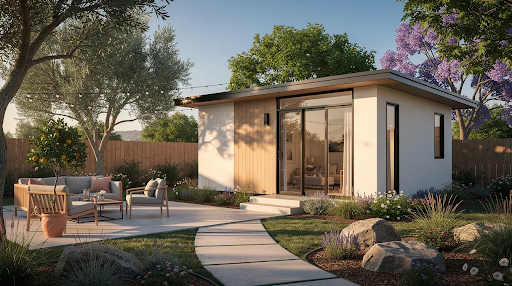
California granny flats (detached ADUs) have become a primary solution for multigenerational housing, downsizing, and rental income across Los Angeles, San Diego, Sacramento, and neighboring markets.
Tiny Home Cottages specializes in factory-built detached ADUs—tiny homes, backyard cottages, and small manufactured homes—rather than attached additions or garage conversions.
Factory construction delivers consistent quality, faster timelines, fewer weather delays, and strict adherence to national building codes.
Product lines include single story tiny homes, premium models, lofted designs, cabin series cottages, and HUD manufactured homes ranging from approximately 300 to 1,000 square feet.
Homeowners can explore models, view completed photos, learn about ADU financing through 21st Mortgage Corporation, and contact Tiny Home Cottages for a site-specific quote.
Why Granny Flats and ADUs Are Transforming Housing in California
California’s housing crunch has reshaped how homeowners think about their property. Since statewide ADU reforms began around 2017, granny flats have moved from a niche concept to a mainstream housing solution. High rents averaging $2,800 per month in Los Angeles, aging parents who want to stay close to family, and adult children struggling to afford their first home have all fueled demand for accessory dwelling units.
The numbers tell the story clearly. Over 100,000 ADUs have been permitted across California since 2017, with Los Angeles County alone approving more than 10,000 in 2024. San Diego County, the Bay Area, and the Sacramento region have seen similar surges. Homeowners in these metros recognize that a detached ADU project can solve multiple problems at once—providing housing for family members while potentially generating rental income.
A granny flat is simply a small, self-contained home on the same lot as a primary residence. These units typically include a kitchen, bathroom, and sleeping area, making them fully independent living spaces. They’re commonly used for:
Parents aging in place near their children
Adult children saving for their own house
Caregivers who need proximity without sharing walls
Long-term tenants or travel nurses
Guest accommodations for visiting family
State ADU laws now commonly allow detached units up to 800–1,200 square feet on most single-family lots, subject to local zoning and utility rules. Cities can no longer impose the restrictive barriers that stifled ADU construction before 2016. Setbacks as low as four feet, no parking mandates, and streamlined 60-day approval timelines have made adding a granny flat more accessible than ever.
Factory-Built vs. Site-Built Granny Flats in California
When homeowners search for a granny flat builder California offers two main paths: factory-built homes and traditional site-built construction. Understanding the difference helps you make an informed decision about which approach fits your property, budget, and timeline.
Factory-built homes, like those offered by Tiny Home Cottages, are constructed indoors under national building codes such as the International Residential Code (IRC) or HUD standards. Skilled crews work in a controlled environment, following repeatable processes with multiple quality inspections before the home ever leaves the facility. This approach eliminates weather delays—a significant advantage given California’s rainy winters can stretch site-built projects by months.
Site-built ADUs follow the traditional construction model. Crews frame and finish the structure outdoors on your property, coordinating subcontractors for electrical, plumbing, and finishing work. While this approach works for some projects, it exposes the build to rain delays, subcontractor scheduling conflicts, and local material shortages that can extend timelines unpredictably.
Key benefits of factory-built granny flats for California homeowners include:
Predictable timelines: Factory construction typically takes 4–8 weeks, compared to 3–6 months for site-built ADUs
Consistent craftsmanship: Factory crews build the same models repeatedly, avoiding the variability of rotating subcontractors
Less backyard disruption: Most construction happens offsite, so your property stays quieter and cleaner during the build phase
Clear pricing: Factory processes reduce surprises, making transparent pricing easier to achieve
Reduced waste: Industry estimates suggest factory builds generate up to 90% less material waste than site-built projects
Factory-built detached ADUs still require proper site work. Your unit must be installed on an approved foundation, connected to utilities, and pass local requirements for final inspection before occupancy. The difference is that much of the construction timeline runs parallel—while your foundation is being prepared, your home is being built indoors.
Types of Granny Flats and Tiny Homes Offered by Tiny Home Cottages
Tiny Home Cottages focuses exclusively on detached, self-contained units designed for California and Oregon homeowners. The company does not offer interior remodels, second-story additions, or garage conversions. Instead, the product range covers factory-built backyard homes that serve as independent living spaces separate from the primary residence.
Single Story Tiny Homes
These entry-level homes range from approximately 300 to 600+ square feet with around nine-foot ceilings throughout. Modern layouts maximize efficient use of space with open living areas and well-designed kitchens. Single story tiny homes work well as guest suites, aging-in-place units for parents, or downsizing residences for homeowners who want less stress and more space efficiency. The straightforward design makes them practical for smaller California lots where every square foot matters.
Premium Single Story Tiny Homes
Premium models build on the single story foundation with upgraded finishes and cement exterior siding for enhanced durability. Contemporary floor plans offer more design flexibility, making these units suitable for long-term living or higher-end rentals. Homeowners in coastal areas particularly appreciate cement siding’s resistance to fog and salt air. These beautiful ADUs can generate $1,800–2,500 per month in rental income in markets like San Diego.
Lofted Tiny Homes
Lofted models add a second-level sleeping or storage loft, steep rooflines reaching 18–25 feet, and large stacked window walls that bring natural light deep into the living area. The additional vertical space creates endless possibilities for homeowners with scenic views—coastal properties, foothill lots, or backyards with mature trees. The loft can serve as a sleeping area for guests or dedicated storage, effectively adding 100–200 square feet of usable space without expanding the footprint.
Cabin Series Cottages
The cabin series emphasizes natural finishes that evoke mountain retreats. Tongue-and-groove pine walls and ceilings, metal roofing, and fiber cement siding create a rustic aesthetic suited for forested backyards, Sierra foothill properties, or any homeowner who wants their granny flat to feel like a Tahoe cabin. These cottages appeal to buyers seeking architectural character alongside practical functionality.
HUD Manufactured Homes
For homeowners needing more space, HUD manufactured homes range from approximately 400 to 1,000 square feet with full kitchens and multiple bedrooms. These larger units can serve as substantial granny flats or compact primary residences for downsizing homeowners. When permanently affixed to approved foundations, HUD manufactured homes can be financed as real property, expanding financing options for buyers planning long-term use.

How California Homeowners Are Using Granny Flats Today
Detached ADUs and granny flats have shifted from optional additions to essential housing solutions for many California households between 2018 and 2025. The use cases reflect the unique needs of families navigating high housing costs, aging relatives, and changing work patterns.
Multigenerational Living
Families across Los Angeles, Orange, and Contra Costa counties are bringing parents onto their property to age in place. A 500 square foot factory-built unit in San Jose can provide grandparents with independent living while keeping them close to family—often saving $4,000 per month compared to nursing facility costs. California’s 6 million seniors and the 25% rise in multigenerational households since 2010 have driven this trend statewide.
Rental Units
Many homeowners in cities like San Diego, Sacramento, and Santa Rosa add a factory-built adu home specifically to generate long-term rental income. A 450 square foot lofted tiny home can rent for $2,200–2,400 per month in competitive markets, with some homeowners recovering their investment within four years. Travel nurses, remote workers, and young professionals seeking affordable housing create consistent demand for well-designed rental ADUs.
Guest Houses and Flexible Spaces
Granny flats also serve as flexible guest accommodations, home offices, or part-time residences for adult children attending nearby colleges or launching careers in high-cost metros. A detached ADU provides more privacy than a spare bedroom while maintaining proximity to the main house. This flexibility appeals to homeowners who want to create options for their family without committing to a single use.
Property Value and Resale Appeal
Detached ADUs can increase overall property utility and long-term resale appeal. Zillow analyses suggest ADUs add 20–30% or $100,000–200,000 to property values in many California markets. However, actual value depends on local conditions, integration with utilities, and neighborhood factors. The addition of a second independent unit expands what the property can offer future buyers.
Our Factory-Built Granny Flat Process: From Model Selection to Move-In
Tiny Home Cottages guides homeowners from initial questions to completed factory-built granny flat through a structured process designed for clarity. The team helps manage expectations about each stage so you understand what to expect and when.
Discovery Stage
The process begins with understanding your goals. Whether you need a 1-bedroom ADU for mom in Riverside, a 2-bedroom HUD home for rental in Fresno, or a compact guest house in the Bay Area, the team helps match your vision to suitable models and size ranges. Discussion includes budget parameters, lot characteristics, and intended use so recommendations address your specific needs.
Model Selection and Customization
Once you’ve narrowed options, you’ll choose a floor plan, exterior style, and interior finishes. Options may include lofts, porches, upgraded siding, or specific layouts—all within the constraints of factory-built customized design. Because these homes are built in a controlled factory, certain modifications are more feasible than others. The team clarifies what’s possible so you can make informed choices.
Engineering and Site Coordination
Factory specifications and engineering requirements must align with your site conditions. Tiny Home Cottages coordinates with your contractor or installer on foundation requirements, utility connections, and site planning. California’s seismic zones require specific foundation approaches, and your local city may have additional detail requirements for permits.
Factory Construction
Your home is built indoors while site work—foundation, utilities, grading—occurs in parallel when permits allow. The factory build typically takes 4–8 weeks, conducted by experienced crews who handle every detail in a controlled environment. This parallel approach shortens the entire process compared to sequential site-built timelines.
Delivery and Installation
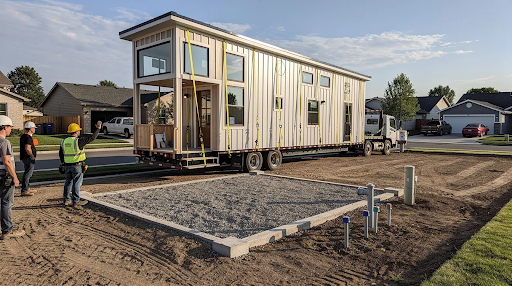
When the home is complete and your site is prepared, the unit is transported to your property. Homes are set on the prepared foundation—often in just 1–2 days—using appropriate equipment for the model size. Installation connects the home to your foundation system and prepares it for utility hookups.
Final Inspection and Occupancy
After utilities are connected, local inspectors verify compliance with building codes. Once you receive your certificate of occupancy, you can move in or make the unit available for its intended purpose. The timeline from order to installation typically runs 3–6 months total, with permitting and site prep often comprising the longest phases.
Financing a Granny Flat in California: What Homeowners Should Know
California construction costs, interest rates, and local fee structures can make funding a granny flat complex without proper guidance. Understanding your financing options early helps you plan realistically and avoid surprises.
Tiny Home Cottages often recommends 21st Mortgage Corporation for financing. This lender has specialized in manufactured and tiny home loans since 1995, originating over $10 billion in loans. Their familiarity with factory-built units makes the financing process smoother than working with traditional lenders unfamiliar with this construction type.
Down payment requirements vary based on credit profile and property conditions:
Well-qualified buyers (700+ FICO, debt-to-income below 43%) may access 0% down options
Standard down payments range from 5–20%
Fixed interest rates currently average 6–8%
Loan terms extend 15–30 years depending on the loan product
The typical loan application process follows these steps:
Choose a home model that fits your unique needs and budget
Complete a loan application through the lender
Receive conditional approval and review financing terms
Lock your interest rate and submit required documentation (ID, bank statements, income verification)
Sign closing documents before the factory build proceeds
When budgeting, homeowners should account for costs beyond the home price. Foundation work typically runs $8,000–15,000, utility connections $5,000–10,000, and various site preparation expenses. However, recent California laws exempt ADUs under 750 square feet from certain impact and school fees, potentially saving $5,000–15,000 on smaller units. Clear pricing from the start helps you understand your total investment.
Comparing Granny Flat Options: Tiny Homes, Cottages, and HUD Manufactured ADUs
California homeowners often compare tiny homes, cottage-style units, and HUD manufactured homes when planning their granny flat. Each option serves different priorities, and understanding the tradeoffs helps you choose the right fit for your property.
Single-story tiny homes in the 350–600 square foot range work best for smaller backyards and minimalist living. Open layouts emphasize efficient kitchens and combined living spaces that feel larger than their footprint suggests. These units generate lower utility bills—often around $100 per month—and require less foundation and site work. For homeowners on lots under 5,000 square feet, compact tiny homes often represent the most practical choice.
Cottage series and lofted models emphasize character over pure efficiency. Tall ceilings, steep rooflines, and natural materials like pine interiors create architectural interest that stands out in scenic settings. The additional sleeping loft provides flexibility without expanding ground coverage. These styles appeal to homeowners who view their ADU as an extension of their property’s character rather than simply functional housing. However, steeper roofs may require additional engineering in snow-load areas like the Sierra foothills.
HUD manufactured homes offer the largest detached ADU option, ranging from 400 to 1,000 square feet with multiple bedrooms and full-size kitchens. These units work well for homeowners planning to rent to families, house multiple family members, or potentially use the ADU as their primary residence in the future. Larger foundations and more complex utility requirements mean higher site costs, but the added space creates long-term flexibility.
Local zoning, setbacks, access for delivery, and pad size influence whether a compact tiny home or larger HUD manufactured unit makes practical sense for your lot. Los Angeles R1 zones, for example, cap detached ADUs at 800 square feet with 4-foot setbacks and no parking mandates. Your local service areas may have different specifications, making early consultation with adu builders essential.
Working With a Granny Flat Builder in California: What to Look For
Homeowners searching for a granny flat builder California will encounter general contractors, prefab adu dealers, garage conversion specialists, and factory-built experts. Not all builders have the same experience with detached ADUs, and choosing the right team affects your project’s success.
Look for builders experienced specifically with detached ADUs and small homes in California and Oregon. General contractors who primarily build large custom homes or handle interior remodels may lack familiarity with the permitting, foundation, and installation requirements unique to backyard homes. A company focused on this space understands the nuances that can affect your timeline and budget.
Evaluate whether the company’s homes are built in a factory under national building standards. Established manufacturers with decades of experience building small homes and cottage-style dwellings bring consistency that newer operations may lack. Ask about their construction approach—homes built in controlled factory environments undergo multiple inspections before transport, ensuring consistent quality regardless of weather or labor conditions.
Key questions to ask potential adu builders include:
How long have you worked with factory-built homes?
Which California jurisdictions are you familiar with?
What are typical build timelines from order to installation?
How do you coordinate foundation and utility work with local contractors?
Can you provide references from completed California installations?
Tiny Home Cottages’ role is to provide high-quality, factory-built homes and guidance through the selection and purchase process. The company partners with licensed installers and local professionals who handle permits and complete on-site work as required by local regulations. This approach ensures that homeowners receive specialized expertise at each stage while maintaining clear accountability for the entire process.
Why Factory-Built Granny Flats Fit California’s Future
Broader trends point toward increased demand for ADUs across California through 2030 and beyond. Shrinking lot sizes in urban and suburban areas, the rise of remote work affecting 25% of the workforce, and continued growth in multigenerational households all support the need for flexible housing solutions that don’t require new land development.
Factory-built granny flats help meet this demand faster by shortening onsite construction time and enabling production during seasons when outdoor building slows. California’s skilled construction worker deficit—estimated at 20%—makes factory efficiency increasingly valuable. ADU construction in controlled environments reduces dependence on local labor availability and weather windows.
Consistent, code-compliant factory builds also make long-term maintenance more predictable. When homes are constructed using repeatable processes with standardized materials, homeowners can expect reliable performance over time. This contrasts with some ad-hoc site-built backyard structures where quality varies based on which subcontractors were available during construction.
Environmental and community benefits further support factory-built ADUs. Controlled manufacturing reduces material waste by up to 90% compared to site-built construction. Fewer deliveries and less noise on the property minimize disruption to neighbors. Adding housing within existing neighborhoods provides real estate development without massive upzoning or infrastructure expansion.
State policy continues evolving in favor of ADUs. Recent legislation permanently extended rental incentives, relaxed setbacks, and shortened approval timelines. Housing projections suggest 50,000+ annual ADU permits through 2030. Tiny Home Cottages’ range of tiny homes, cottages, and HUD manufactured units aligns with where California housing is headed—providing energy efficiency, adaptable styles, and appropriate sizes for the state’s 800–1,200 square foot allowances.
How to Get Started With a Granny Flat from Tiny Home Cottages
If you’re serious about adding a granny flat to your California or Oregon property, taking specific next steps will help you move from research to reality.
Start by browsing available tiny home and cottage models online. Note square footage, bedroom counts, and general footprint sizes that might fit your lot. Understanding the range of options—from 300 square foot single-story models to 1,000 square foot HUD manufactured homes—helps you arrive at conversations with realistic expectations.
Schedule a consultation to review your property’s general characteristics. Lot shape, access for delivery, slopes, and existing structures all influence which models make the most sense. The team at Tiny Home Cottages can help you understand whether a tiny home, cottage series, or HUD manufactured unit best serves your goals.
Gather basic financial information in preparation for a loan application. Income documentation, existing mortgage details, and your credit profile all factor into financing options. If you plan to work with 21st Mortgage Corporation, having this information ready shortens the approval process.
Contact Tiny Home Cottages to request pricing ranges, review photos of completed units, discuss timelines, and learn what a realistic project path looks like for your city. The company works with clients across California and can provide guidance on how their homes fit your local requirements and intended use.
Whether you’re planning for an aging parent, exploring income opportunities, or simply want more flexibility on your property, a factory-built granny flat offers a practical path forward. The first step is understanding your options—explore available models, assess your site, and connect with a team that can help you create the right solution for your family.
FAQ About Granny Flat Builders and Factory-Built ADUs in California
How long does it typically take to complete a factory-built granny flat project?
Timelines vary by city and site conditions, but many factory-built granny flats move from order to installation in 3–6 months once permits and foundation work are underway. The factory construction phase itself often takes 4–8 weeks, while permitting in California can consume 60 days under current state mandates. Site preparation—foundation work and utility installation—typically runs 1–2 months depending on complexity. Tiny Home Cottages can help you understand typical timeframes for your region and model type during early planning.
Can a factory-built granny flat be used as a primary residence in California?
Many HUD manufactured homes and certain tiny home models can serve as primary residences when installed on approved foundations and permitted accordingly. Some homeowners choose a larger HUD manufactured unit (600–1,000 square feet) as their main dwelling while renting out an existing site-built home, or vice versa. Local zoning and building rules determine what’s permitted on your specific property, so verify regulations with your city or county while consulting with Tiny Home Cottages about model suitability for your intended use.
Do I need a separate contractor to handle foundations and utilities?
Factory-built homes require site preparation including foundation, utility connections, and sometimes driveway or access improvements. Tiny Home Cottages focuses on providing the home itself and coordinates with licensed contractors who manage on-site work as required by local regulations. Discussing preferred local contractors or installation partners early in the process ensures costs and responsibilities are clearly defined before your build begins.
Are granny flats and factory-built ADUs allowed in every California city?
California state law strongly supports ADUs, but each city or county maintains specific rules about size, height, setbacks, and design standards. Most single-family lots can accommodate at least one detached ADU up to 800 square feet under current state law, though details vary. Recent legislation has limited local restrictions, but address verification of current ADU ordinances with your local planning department remains essential. Tiny Home Cottages can discuss how their models fit common California requirements.
What kind of maintenance do factory-built granny flats require?
Maintenance needs mirror any small home: roof care, exterior siding upkeep, HVAC servicing, and routine interior attention. Consistent factory construction using modern materials—such as cement siding or metal roofing on certain models—often simplifies long-term upkeep. Metal roofing can last 20–30 years, while cement siding resists California’s sun and coastal fog better than some alternatives. Plan for basic seasonal inspections and follow manufacturer recommendations for systems and finishes to keep your unit in excellent condition throughout its life.