
Multigenerational Home Builder California: Why ADU Cottages Are Ideal for Family Living
Key Takeaways
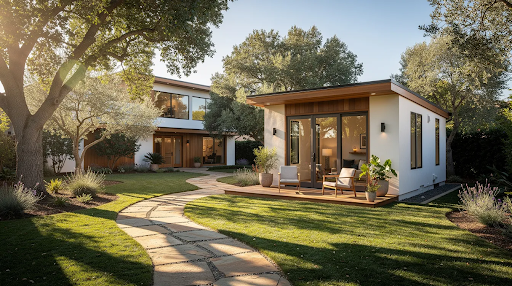
Detached ADUs and tiny home cottages in California are one of the most practical ways to create multigenerational housing on the same property, allowing family members to live steps apart while maintaining privacy.
Factory built tiny homes from Tiny Home Cottages offer predictable timelines, consistent quality, and modern designs specifically suited for extended family members.
Common multigenerational uses include housing for aging parents, boomerang adult children, live-in caregivers, and long-term guest space.
California homeowners can often take advantage of favorable ADU laws passed since 2017 and available financing options to add a detached unit to their property.
A well-planned ADU project can support families for decades, shifting from a parent’s cottage to a rental income source as needs change.
What Is a Multigenerational Home in California Today?
A multigenerational home is a property where three or more generations—or multiple adult generations—share living space on a single lot. In California, this increasingly means a main house plus a detached accessory dwelling unit that functions as an independent home for loved ones.
Since around 2015, California families have been trending toward adding backyard cottages, granny flats, and tiny homes instead of cramming everyone into one crowded house. This shift reflects both the reality of high housing costs and the desire to keep family members close without sacrificing personal space.
When people search for a multigenerational home builder in California, they’re typically looking for a company that designs and supplies detached ADUs and small manufactured homes planned specifically for parents, adult children, or grandparents. Tiny Home Cottages focuses on exactly these detached, self-contained units that sit on the same parcel as the primary residence but function like completely separate homes.
California homeowners use several terms interchangeably for these structures: mother-in-law unit, backyard cottage, granny flat, casita, and in-law ADU. Regardless of the name, the goal is the same—create independent living space that keeps family together without forcing them under one roof.
Why Detached ADUs Work So Well for Multigenerational Families
California’s notoriously high housing costs have driven many families toward multigenerational living as a cost effective solution. Rather than purchasing a second property or renovating an existing home beyond recognition, adding a detached ADU allows families to accommodate family members while preserving their lifestyle and budget.
Privacy stands out as the primary benefit. Each household—whether aging parents or adult children—maintains its own kitchen, full bathroom, and living space while remaining steps away from family support. This arrangement respects boundaries while keeping everyone close.
Safety and daily support become easier. Families can check on older relatives daily, assist with mobility challenges, or share childcare responsibilities without long commutes across cities. The proximity makes regular interaction natural rather than scheduled.
Flexibility over time makes ADUs a smart long-term investment. A detached unit can serve as:
A cottage for parents in their 70s
Housing for college-age kids returning home
A caregiver suite when professional help is needed
A rental income generator when not occupied by family
Financial resilience comes built-in. Where local jurisdiction rules permit, families can generate rental income from the unit during periods when family members don’t need it. This creates a financial backup plan that traditional home additions cannot offer.
Reduced household friction is another practical advantage. Detached dwelling units eliminate the noise and schedule conflicts that come with trying to fit three generations into one house with shared bathrooms and kitchens.
How Tiny Home Cottages Builds for Multigenerational Living
Tiny Home Cottages is a California-focused provider of factory built tiny homes and detached ADU-style cottages designed specifically for families seeking multigenerational arrangements. The company understands that bringing relatives onto your property requires more than just square footage—it requires thoughtful planning and reliable construction.
Homes are built in a controlled factory environment under national building code standards, which allows for consistent quality and predictable build times. For families working toward a move in date that coincides with a parent’s retirement or an adult child’s return from college, this predictability matters.
Tiny Home Cottages works with manufacturers that have decades of experience building small homes, HUD manufactured homes, and cottage style dwellings. This experience translates into homes that are designed efficiently, built durably, and finished with materials chosen to last through years of changing family uses.
The company focuses exclusively on detached units placed in backyards or on available portions of residential lots. This specialization means the team can help homeowners understand home design choices, permitting considerations, and site planning specifically for housing relatives—not generic construction guidance that may not apply to ADU situations.
Tiny Home Models That Fit Multigenerational Families
Different generations have different needs. Some family members want lofted sleeping areas and vertical space. Others need everything on one level with wide doorways and no step entries. Having multiple model types available means families can match the right structure to each person’s requirements.
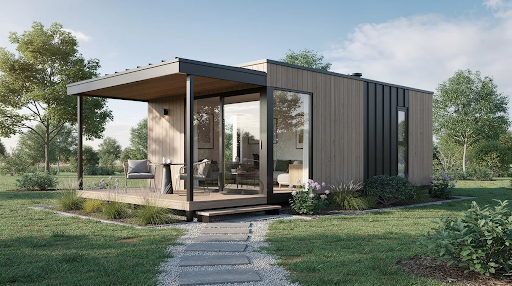
Single Story Tiny Homes These entry-level cottages feature approximately nine-foot ceilings, efficient floor plans, and modern layouts suitable for one or two occupants. They work well for parents who want simple, manageable space without extra rooms to maintain.
Premium Single Story Tiny Homes Upgraded finishes, cement exterior siding, and more contemporary floor plans appeal to family members who want a higher-end feel. The low-maintenance exterior is especially practical for aging parents who don’t want to spend weekends on upkeep.
Lofted Tiny Homes Designs with a second level loft, steep roof pitches, and large stacked windows work well for younger adults or small families comfortable with stairs. These units separate sleeping and living zones vertically, making efficient use of a smaller footprint.
Cabin Series Cottages Natural finishes like tongue and groove pine walls and ceilings, metal roofs, and fiber cement siding create a warm, cabin-style atmosphere. These appeal to relatives who will be living in mountain or rural areas of California where the aesthetic fits the surroundings.
HUD Manufactured Homes Larger units in the roughly 400 to 1000 square foot range feel more like traditional small houses. These can comfortably support long-term multigenerational living with separate bedrooms, full kitchens, and generous living space.
|
Model Type |
Best For |
Key Features |
|
Single Story |
Aging parents, accessibility needs |
Nine-foot ceilings, one-level living |
|
Premium Single Story |
Family members wanting upgraded finishes |
Cement siding, contemporary design |
|
Lofted |
Adult children, young couples |
Vertical space, separate sleeping loft |
|
Cabin Series |
Rural or mountain properties |
Natural wood finishes, metal roof |
|
HUD Manufactured |
Long-term family housing |
400-1000 sq ft, traditional layout |
Sample Family Setups:
Grandparents in a premium single story cottage with accessible features while adult children occupy a lofted tiny home with room for a home office
Parents in a HUD manufactured home with full bedroom and kitchen while the main house hosts young grandchildren who visit daily
A cabin series cottage for a retired father who wants a workshop space in a Northern California property
Designing a Multigenerational ADU for Comfort and Accessibility
Multigenerational design needs to balance independence, comfort, and safety for family members of different ages and abilities. What works for a 25-year-old returning from graduate school won’t necessarily work for 75-year-old parents with mobility concerns.
Single-story layouts with no step entries are essential for older parents or relatives with mobility challenges. Wide doorways—at least 36 inches—allow walkers and wheelchairs to pass easily. These features aren’t just for current needs; they prepare the unit for the future.
Bathroom accessibility deserves special attention:
Walk-in showers with low or no thresholds
Blocking installed in walls for future grab bars
Lever-style handles on doors and faucets
Non-slip flooring throughout
Kitchen planning should accommodate different abilities. Lower countertop sections, easy-reach cabinet storage, and clear circulation space for mobility devices make daily tasks manageable for years to come.
Sound insulation between bedrooms and main living areas increases privacy when different generations keep different schedules. A retired parent on an early sleep schedule shouldn’t be disturbed by an adult child’s evening activities.
Outdoor connections matter for daily interaction:
Small covered porches for visiting
Ramps where needed
Clear, level paths between the main house and ADU
Adequate lighting for nighttime safety
Tiny Home Cottages’ factory-built approach allows many of these accessibility features to be integrated cleanly into the plan before the home leaves the factory—not retrofitted awkwardly after the fact.
California ADU Rules That Help Multigenerational Homeowners
Since approximately 2017, California has passed a series of laws—including SB 1069, AB 68, AB 881, and subsequent updates—that make it significantly easier for homeowners to add detached ADUs on residential lots. These changes have transformed what was once an exceptional arrangement into a mainstream housing option.
What California law generally allows:
Most single-family lots can add at least one detached accessory dwelling within certain size and height limits
State rules limit parking requirements and prevent excessive local restrictions
Streamlined approval processes are required in many jurisdictions
Local zoning laws cannot prohibit ADUs that meet state standards
What homeowners still need to verify locally:
Specific setback requirements for their lot
Utility connection rules and fees
Lot coverage limits
Timelines for permits, which vary by city
Cities throughout the Bay Area, Northern California, and Southern California have implemented these state requirements, though the practical experience of permitting can differ. Some cities process ADU permits in weeks; others take months.
Tiny Home Cottages focuses on detached, factory-built homes that are typically well suited to fit within California’s statewide ADU framework when placed on eligible lots. The team can provide guidance on how different models align with common regulations, though homeowners should always verify current rules with their local planning department before finalizing an ADU project.
Financing a Multigenerational Tiny Home or ADU in California
Many families rely on financing to add a multigenerational unit to their property. Fortunately, lending options exist specifically for manufactured and tiny homes that differ from traditional mortgage products.
21st Mortgage Corporation is a commonly recommended lender that specializes in manufactured and mobile home loans. With decades of experience in this niche, they understand the unique aspects of financing factory-built homes.
Typical loan features include:
Down payment options starting at zero percent for well-qualified buyers
Higher down payments (10-20%) for buyers with lower credit scores
Adjustments based on property conditions and complexity
Rates that vary based on credit profile and loan terms
The typical loan process follows these stages:
Choose a home model that fits needs and budget
Complete a loan application through the lender
Receive loan approval and review financing terms
Lock the interest rate
Submit required documentation (identification, income verification, bank statements)
Sign closing documents
Fund the purchase and proceed with delivery
Final rates, down payments, and eligibility depend on each buyer’s credit profile, income, and property details. Speaking directly with a lender provides exact terms for individual situations.
Budget planning should include costs beyond the home itself:
Foundation preparation or site work
Utility connections (water, sewer, electric, gas)
Permitting fees from the local jurisdiction
Access improvements if needed for delivery
Landscaping and pathway construction
From Idea to Move-In: What the Process Usually Looks Like
Many California homeowners are new to ADUs, so understanding how multigenerational plans become reality helps set realistic expectations and timelines.
Step 1: Initial Discovery The homeowner identifies who will live in the unit and their must-have features. For parents in their 70s, this might mean single-level living, an accessible bathroom, and a compact kitchen. For adult children, priorities might include workspace and privacy.
Step 2: Property Review Evaluate the backyard or side yard to find potential building locations. Consider access paths for delivery trucks, utility tie-in points, setback requirements, and how the unit will connect visually and functionally to the main house.
Step 3: Plan Selection and Customization Choose between single story, premium, lofted, cabin, or HUD manufactured designs. Make any allowable interior finish or layout adjustments during the initial consultation with the team.
Step 4: Permitting and Approvals Submit plans to the local California jurisdiction. Respond to plan check comments. Secure final city or county approvals. This phase varies significantly by location—some cities complete permits in weeks, others require several months.
Step 5: Factory Construction While the home is built off-site in a controlled environment, site work proceeds in parallel. Foundation preparation, utility trenching, and access paths can move forward while the home is under construction.
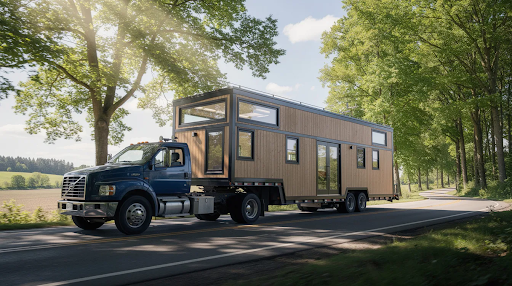
Step 6: Delivery and Setup Transport the home to the property, place it on the prepared foundation or support system, complete utility hook-ups, and schedule the final inspection with local building officials.
Step 7: Move In Once approved, the family member can relocate—typically in a much shorter calendar window than traditional site-built construction would require.
Long-Term Benefits of a Multigenerational ADU on Your California Property
A multigenerational ADU is a long-term strategy, not just a short-term solution to an immediate housing need. Families who plan thoughtfully find their investment serves them for decades.
Aging in place becomes possible. Parents or relatives can remain close to family rather than moving to distant senior housing. Daily check-ins, shared meals, and quick assistance are natural parts of life rather than scheduled obligations requiring drives across town.
Property value often benefits. While exact increases depend on market conditions, having a permitted additional dwelling typically makes a home more attractive to future buyers who may have their own multigenerational needs. A legal, permitted ADU is an asset that adds both functionality and potential income.
Lifestyle benefits extend to everyone:
Grandparents can help with childcare without commuting
College students or early-career adult children can save money while staying connected to family
Shared utilities may reduce overall household costs
Guest space eliminates hotel stays for visiting relatives
Factory-built quality and durable finishes from Tiny Home Cottages are chosen to hold up over decades. The unit built for parents today should still be functional and attractive when it becomes a guest house or rented unit fifteen years later.
How a unit might evolve over 15-20 years:
|
Years |
Primary Use |
Notes |
|
1-8 |
Parents’ cottage |
Daily family interaction, support as needed |
|
9-12 |
Guest house |
Parents have passed; unit hosts visiting relatives |
|
13-15 |
Adult child returns |
Temporary housing during career transition |
|
16-20 |
Rental unit |
Generate rental income; tenants appreciate proximity to amenities |
This flexibility represents the long term value of building a quality detached unit rather than making structural changes to the main house that are difficult to reverse.
Frequently Asked Questions About Multigenerational ADUs in California
How much space does my California lot need for a multigenerational ADU?
Minimum lot sizes vary by city and county, but many California jurisdictions allow a detached ADU on standard single-family lots if setback requirements, height limits, and lot coverage rules are met. State law has significantly reduced the barriers that once made ADUs difficult to build.
Homeowners should measure their usable backyard area, check local zoning maps, and consider whether adequate access exists for delivery and installation of a factory-built tiny home. Narrow side yards or steep slopes may complicate placement but don’t necessarily eliminate options.
Contact your local planning department for preliminary guidance or reach out to Tiny Home Cottages to discuss how different models might fit your property’s specific conditions.
Can a detached ADU be used both for family and for rental income over time?
In many California cities, a legal ADU can be rented long-term when it’s not occupied by family members. This flexibility is one of the key financial benefits of building a permitted accessory dwelling rather than an informal addition.
Homeowners should verify local regulations on rentals, owner-occupancy requirements, and any restrictions on short-term vacation rentals. Some jurisdictions have specific rules about how ADUs can be rented.
Designing the unit with a full kitchen, private entrance, and durable finishes helps keep both family and rental options open over the years. A well-built unit that works for your mother today can work for tenants a decade from now.
Do factory-built tiny homes and HUD manufactured homes meet building codes?
Factory-built homes from Tiny Home Cottages are constructed under national building code standards and quality assurance protocols. Inspections occur during the construction process in the controlled factory environment, ensuring consistent quality before the home ever reaches your site.
HUD manufactured homes follow the federal HUD code, which establishes construction and safety standards for this category of housing. Other tiny home cottages may follow different applicable national standards depending on their classification and intended placement.
Final installation and utility connections on your property must also meet local California requirements and pass inspections. The factory build addresses the structure; the site work addresses how it connects to your land.
How long does it typically take to add a multigenerational ADU to my property?
Timelines vary by city permitting speed, site conditions, and model selection. However, factory-built construction often shortens overall project duration compared with traditional on-site methods because the home is manufactured while permits and site work progress in parallel.
Plan for several months of permitting and site preparation in most California jurisdictions. Add time for factory construction, delivery scheduling, and final inspections. The total timeline depends heavily on your local jurisdiction’s workload and your property’s complexity.
Families with firm deadlines—such as a parent’s planned retirement date or an adult child’s return from school—should start the process early and build in buffer time for unexpected delays.
Is multigenerational living in a backyard cottage right for every family?
Multigenerational living works best when families discuss expectations around privacy, shared expenses, and daily interaction before building the ADU. Physical separation helps reduce friction compared with everyone sharing the same kitchen and living room, but clear communication remains essential.
Some families thrive with daily interaction and shared meals. Others prefer more independence with occasional visits. Understanding your family’s dynamics—and being honest about potential challenges—helps ensure the arrangement succeeds.
Consider long-term needs when choosing a model and layout. Will future mobility challenges require accessibility features? Might a caregiver eventually need space? Could the unit serve as rental housing if circumstances change? Planning for multiple scenarios creates a more resilient investment.
Adding a multigenerational ADU to your California property is more than a construction project—it’s a plan for keeping family close while respecting everyone’s need for independence. Whether you’re creating space for aging parents, returning adult children, or future flexibility, a factory-built cottage from Tiny Home Cottages offers a practical way to make your vision a reality.
Explore the available tiny home models, view the gallery of completed homes, and contact Tiny Home Cottages to discuss which options might work for your property and family situation.