
Mobile ADUs for Sale: Flexible Backyard Housing Explained
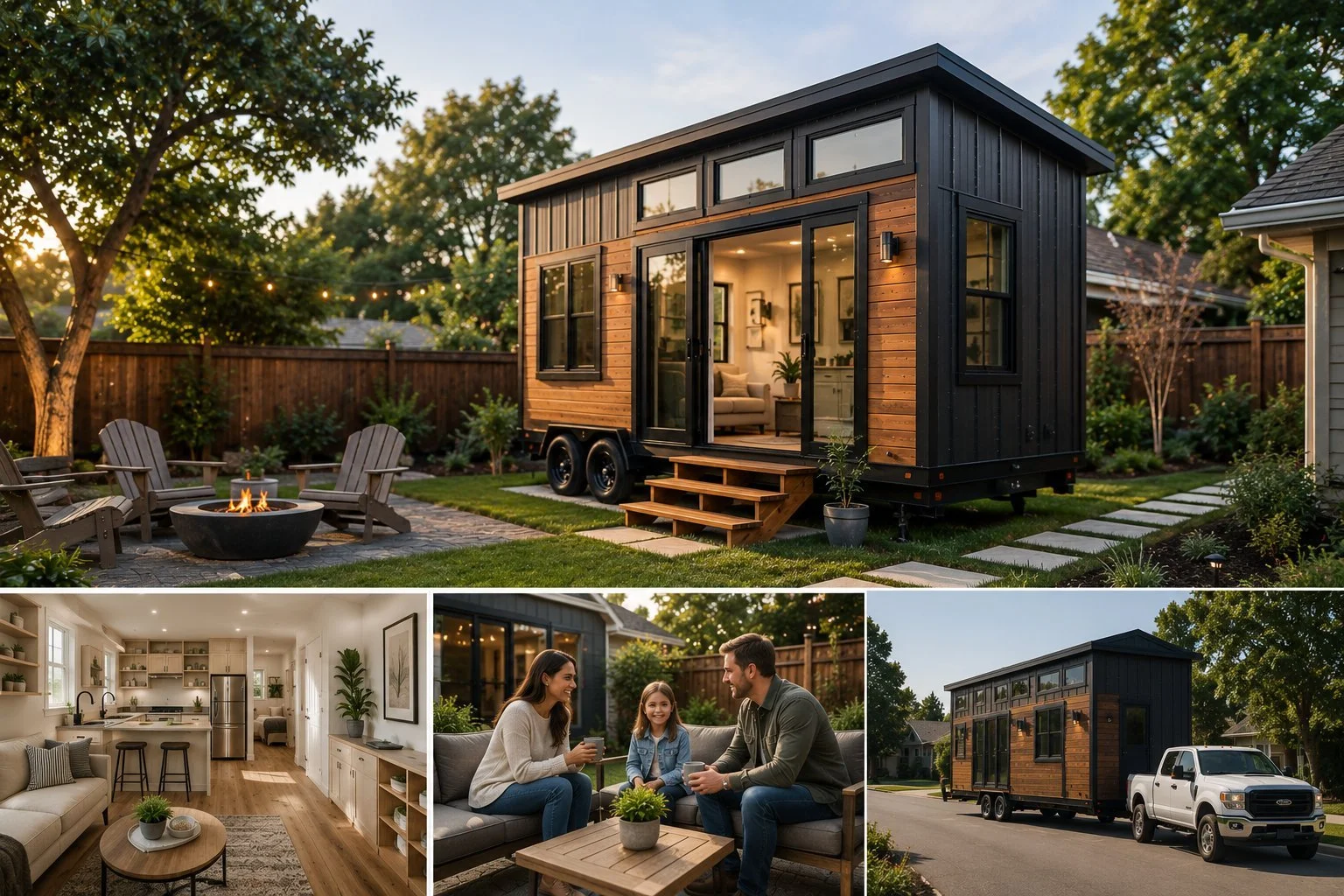
Mobile ADUs have become one of the most useful categories in modern housing. They give homeowners a way to add a real, livable second unit to their property without the cost and timeline of a traditional site built ADU. They arrive ready to live in. They can be relocated if your situation changes. They cost less than a custom build. For families that want flexibility and predictability, mobile ADUs solve a lot of problems at once.
This guide walks through what a mobile ADU actually is, why so many California homeowners are choosing them over site built ADUs, the floor plans you will find on the market, what they cost, and how to get started if you want one delivered to your property.
What a mobile ADU actually is
A mobile ADU is a factory built accessory dwelling unit designed to be transported to a residential property and placed in a usable spot. The home is constructed inside a controlled factory environment under national building code standards. The unit is then trucked to the lot, set in place, anchored, and connected to utilities. From the inside, it feels like a small house. From the outside, it sits as a detached backyard cottage or small home.
The mobile portion refers to how the home arrives on site and the option to relocate it later. Some buyers leave the home in place for its full life. Others move the unit when family needs change. The flexibility is one of the key reasons this category has grown so quickly.
A modern mobile ADU is built to a much higher standard than the mobile homes of decades past. Tiny Home Cottages works with experienced manufacturers that have built small homes and cottage style dwellings for many years. The factory environment produces consistent quality, predictable timelines, and reliable craftsmanship that is hard to match on a traditional site build.
Why homeowners choose mobile over site built
The choice between mobile and site built usually comes down to three factors. Time, money, and predictability. A site built ADU in California can take many months or longer once you account for design, permits, materials, subcontractors, weather, and inspections. A mobile ADU moves from order to occupancy on a much faster track because the build happens in a factory while the site is prepared in parallel.
Cost works in a similar way. The headline price on a site built ADU is usually higher than a factory built mobile unit, and the surprise costs are also higher. Site built projects come with change orders, weather delays, material price swings, and unexpected subcontractor issues. Factory built mobile units are priced before construction starts. You know what you are paying and what you are getting.
Predictability matters because homeowners are not just buying a structure. They are buying a timeline and a result. Predictable timelines let families plan. Predictable quality means no surprises at the end. For most homeowners considering an ADU, predictability is the part that tips the decision toward mobile.
Common floor plans
Mobile ADU floor plans tend to fall into a few common shapes. Single story plans put kitchen, living, bath, and bedroom all on one level. These work for older buyers, accessibility needs, and long term guest housing. The interior feels larger than the footprint because of the open layout and the higher ceilings.
Lofted plans add a second level above the main living area. The loft is usually used for sleeping, which frees up the lower level for kitchen, living, and bath. Lofted floor plans pack more usable space into a smaller footprint, which matters on lots where setbacks limit the available area.
Cabin series cottages take a different feel altogether. The interior uses tongue and groove pine walls and ceilings, the exterior features fiber cement siding and metal roofing, and the result is a warm, more rustic style of mobile ADU. For buyers who want the cottage to stand on its own visually, the cabin series is a strong choice.
Larger HUD manufactured homes work when the use case calls for more square footage. These range from approximately 400 square feet to 1000 square feet and serve well as a primary residence on smaller lots or as a more substantial detached unit for extended family living.
Cost and financing
Mobile ADU pricing varies based on the series, the size, the finish level, and the features included. Entry level single story models price lower. Premium single story, lofted, cabin series, and HUD models price higher depending on size and finish.
When comparing quotes, look at the total delivered cost, not just the unit price. A real quote should include the home itself, delivery, set, anchoring, and the basic work needed to make the unit livable on the lot. Quotes that leave out delivery or set make the headline number look smaller than the actual cost. Asking for a full breakdown is the cleanest way to compare apples to apples.
Most buyers finance the purchase. Tiny Home Cottages often recommends 21st Mortgage Corporation, which specializes in manufactured and mobile home loans. Down payment options range from zero percent for highly qualified buyers to higher percentages depending on credit and the property. The application moves from model selection to loan approval to rate lock to closing on a clear timeline, with the documentation requirements similar to other home loans.
Getting started
If you want to move from research to a real conversation, the first step is figuring out which models actually fit your lot and your needs. Walk the property with placement in mind. Note the access from the street. Confirm where utility connections are. Think through who will live in the unit and how the floor plan needs to work for them day to day.
From there, you can look at real models and pricing. Tiny Home Cottages publishes its lineup online so you can compare single story, premium single story, lofted, cabin series, and HUD manufactured options side by side. Floor plans, finishes, and pricing context are all in one place.
A quick conversation about your lot and your goals will tell you whether one of the models lines up with what you need. From there, the process moves to placement planning, financing, and delivery scheduling. For most California homeowners, the full path from initial inquiry to occupancy is much shorter than a site built project and far more predictable from start to finish.
What sets a modern mobile ADU apart
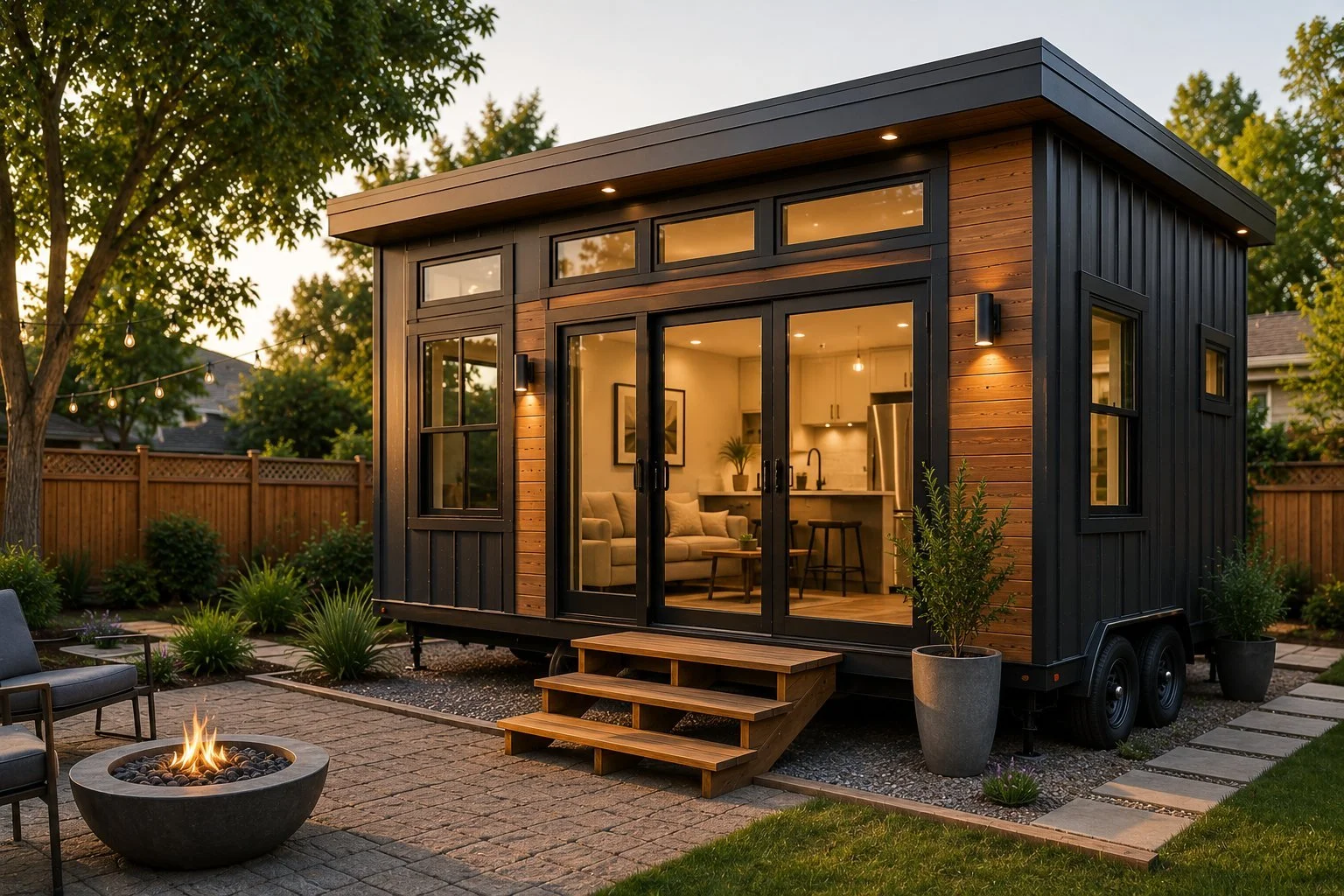
The biggest misconception about mobile ADUs is that they are similar to the older mobile homes from decades past. Modern factory built units are a different product. The construction follows national building code standards. Quality assurance protocols cover every stage of the build. Materials are selected for durability and consistency. The finishes inside and out are designed to look and feel like a real home, not a temporary structure.
Walls in a modern mobile ADU are framed, insulated, sheathed, and finished using methods that match traditional home construction. Plumbing and electrical systems are installed by trained crews working under continuous inspection. Roofing is built for real weather, not just transport. Siding options range from standard exterior finishes to upgraded cement siding for buyers who want a more durable, refined look.
Inside, layouts use the available square footage efficiently. Approximately nine foot ceilings make the interior feel larger than the footprint suggests. Storage is built into corners and under stairs in lofted models. Bathrooms and kitchens are sized to be functional, not symbolic. The result is a home that lives bigger than it looks, with the quality you would expect from a small custom build but without the timeline and cost.
Maintenance and long term care
A factory built mobile ADU is built to last, but like any home it benefits from routine maintenance. The basics are simple. Keep the roof clear of debris, inspect the seals around doors and windows once or twice a year, check the anchoring system periodically, and keep the HVAC system serviced. None of this is unusual or unique to factory built homes.
Plumbing and electrical systems should be inspected on the same schedule you would use for a site built home. Caulking around bathrooms and kitchens should be touched up as needed. Exterior finishes benefit from a basic wash and visual inspection each year to catch any small issues before they become larger. Skirting and underbelly insulation should be checked after extreme weather to confirm everything stayed in place.
Quality manufacturers stand behind the home with a warranty that covers the construction and major systems. Knowing the warranty terms before you sign and understanding the service process gives you peace of mind for the long run. A good builder will be straightforward about the warranty and the support that comes with the home.
How mobile ADUs change family planning
The flexibility of a mobile ADU shows up most clearly when family situations change. A unit that started as a guest house can become a long term home for an aging parent. A unit set up for an adult child can transition into a rental once that child moves out. A unit that supported a multigenerational household can be relocated to another property when the original need ends. None of these transitions are easy in a site built ADU because the structure is fixed.
For families that expect their housing needs to evolve, the mobile category offers a level of optionality that a permanent build cannot match. Knowing the home can move with the family changes the calculus on how to use the unit over the years. That long term flexibility is one of the most under-discussed benefits of the category and the part that often tips the decision for buyers comparing options.
If you are ready to look at real options now, you can see mobile ADU models available now and start narrowing your shortlist. Seeing actual layouts and finish levels is the fastest way to know what is going to work for your property.
How buyers evaluate models before ordering
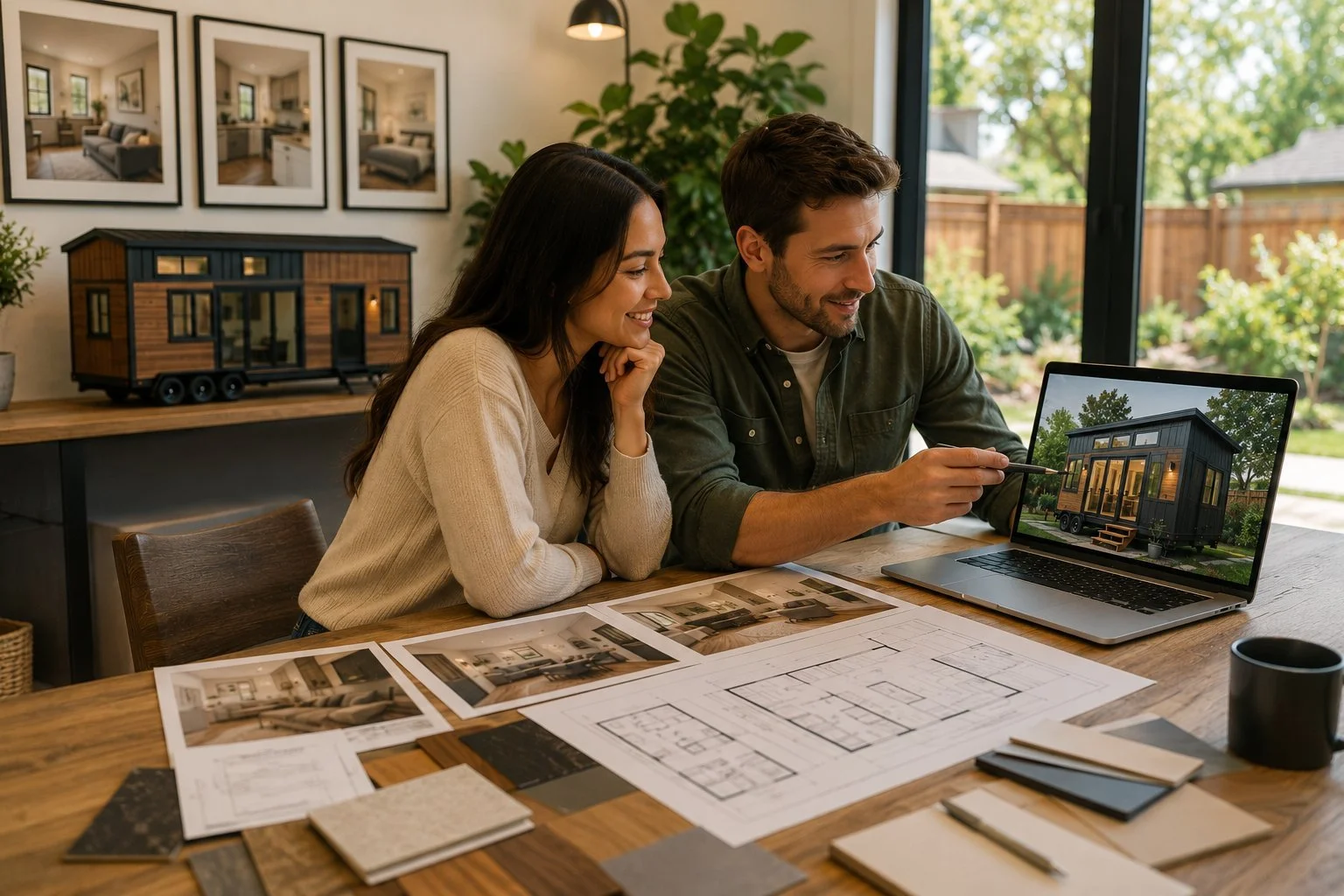
Before placing an order, most buyers run through a short evaluation. They confirm the dimensions fit the intended placement spot, they check the floor plan against daily life expectations, they review the included features and the upgrade options, and they confirm the price covers what they need without hidden add-ons. The buyers who skip this evaluation are the ones most likely to be disappointed at the end. The buyers who run through it cleanly tend to be the happiest.
Visiting a display unit when possible adds another layout of confidence. Pictures and floor plans communicate dimensions but not feel. Walking through a similar unit gives you a real sense of how the layout works, where storage lives, and whether the ceiling height makes the space feel comfortable. Builders that operate at scale usually have display units available for tours or recently delivered units that can be visited with the owner's permission.
What to do if your situation is unusual
Some buyers come in with situations that do not match the standard playbook. Steep lots, narrow access driveways, restricted setbacks, or unusual local rules can all complicate the path. None of these are deal breakers but they do require a builder who has worked through similar situations before.
The right move in an unusual situation is to bring the specifics to the conversation early. Photos of the lot, the access path, the placement spot, and any nearby utility connections give the builder enough context to advise honestly. A real operator will tell you when a unit fits and when it does not. That kind of candor is worth more than a fast yes that creates problems later.