
Used ADUs for Sale: Are They Worth It Versus a New Build?

Used ADUs for sale show up regularly in California and Oregon. The price tag is usually lower than a new build, which is what catches most buyers' attention. The question is whether a used unit actually saves money over the life of the home, or whether the upfront discount disappears as soon as repairs, financing complications, and warranty gaps show up. This guide walks through what to look at on a used ADU, where the hidden costs hide, how financing usually works on a used unit, and when a new factory built ADU is the smarter buy.
The honest answer is that used ADUs can be a good purchase for the right buyer in the right situation. They can also be a mistake. The difference comes down to the specific unit, the seller, and how much you understand before you commit.
What to inspect on a used ADU
The most important inspection on a used ADU is the structure itself. Look at the roof for any signs of leaking, soft spots, or repairs that were not done well. Check the siding for damage, gaps, or peeling. Look at the underbelly and skirting to see how the unit has weathered. Open and close every door and window. Walls that are out of square, doors that drag, or windows that stick are usually signs of a unit that has shifted on its supports or has been damaged.
Inside, check the floors for any sagging or soft areas. Look at the ceilings for water stains. Open cabinets and check the interior for any signs of moisture or pest damage. Run water in every sink and tub to check for leaks under the cabinets. Flush the toilet. Check the water heater, the HVAC system, and the electrical panel. Each of these tells you something about how the home was maintained.
Documentation matters too. Ask for the original purchase paperwork, any maintenance records, and proof of major repairs. A unit with a clean paper trail is much less risky than one with no records.
Hidden costs to watch for
The headline price on a used ADU rarely includes everything you will actually spend. The first hidden cost is moving the unit. If the home is not already on your property, you will pay to relocate it. That includes transportation, set, anchoring, and any necessary reconnections to utilities. The cost varies widely based on the size of the home and the distance to your lot.
The second hidden cost is repairs. Even a unit in good shape usually needs something. New flooring, fresh paint, updated fixtures, or a new roof are common on units that are more than a few years old. Budgeting for these costs upfront keeps the comparison honest.
The third hidden cost is bringing the unit up to current code at your placement spot. A unit that met code when it was built may not meet current requirements where you are placing it. Electrical, plumbing, and tie-down requirements can all change over time. A local contractor or your builder can usually tell you what work is needed before the unit is set.
The fourth hidden cost is permitting. Used units sometimes face more scrutiny than new ones, especially if the documentation is incomplete. Allowing extra time and budget for the permit process is wise.
Financing a used unit
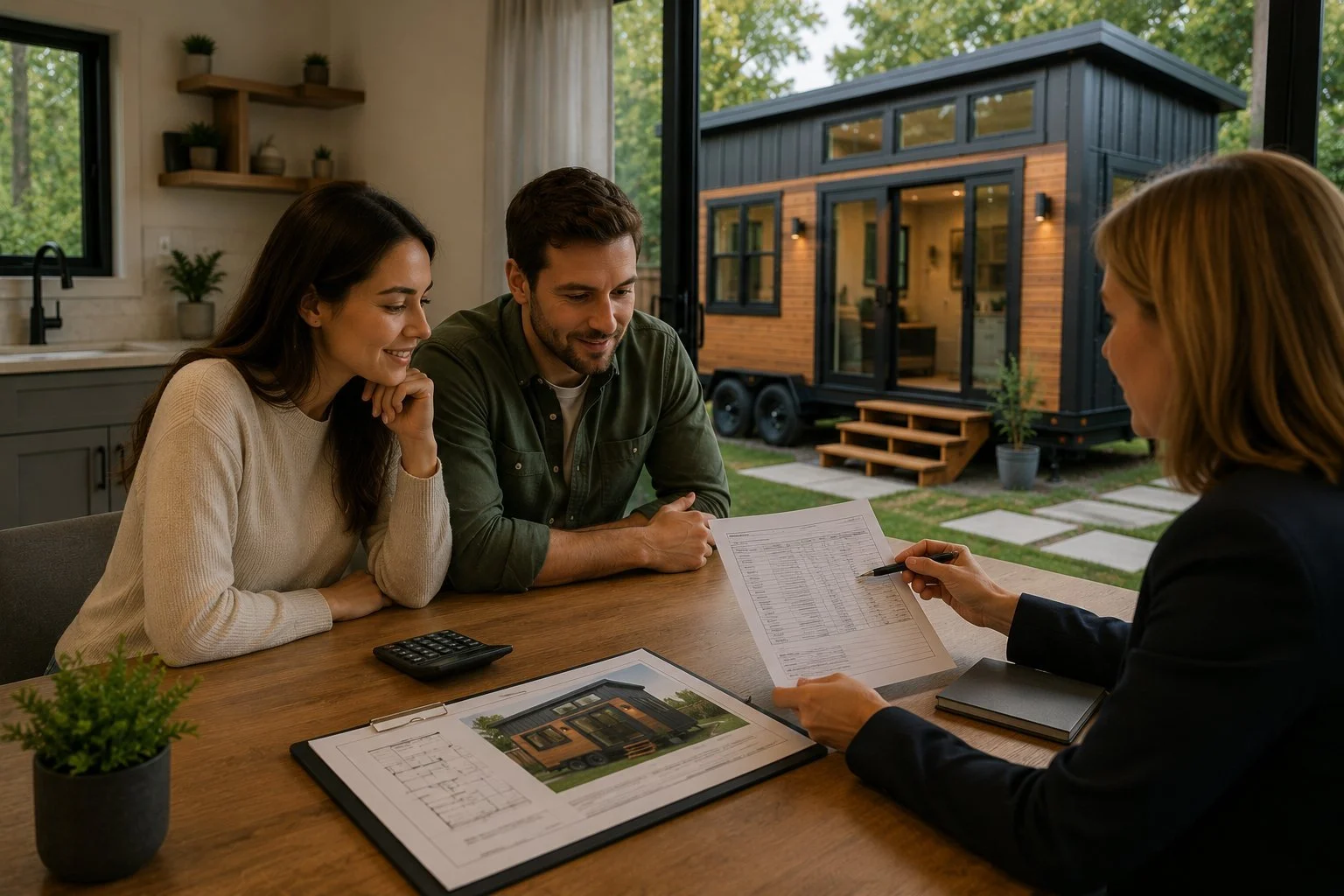
Financing a used ADU is possible but harder than financing a new factory built one. Many lenders prefer new construction because the value, the warranty, and the condition are clearer. Lenders that finance used manufactured and mobile homes do exist, but the loan options may be more limited, the down payment requirements may be higher, and the interest rates may be different than on a new build.
21st Mortgage Corporation, which Tiny Home Cottages often recommends for new factory built units, also offers financing on used units in many cases. The details depend on the age of the unit, the condition, the location, and the buyer's credit profile. Knowing the financing path before you fall in love with a used unit keeps the conversation grounded.
Cash buyers face fewer constraints but should still understand the resale and insurance implications of a used unit. Insurance companies sometimes treat older manufactured homes differently than newer ones, which can affect monthly cost over time.
When a new build wins
A new factory built ADU has several advantages that a used unit cannot match. The construction follows current building code. The materials and finishes are new. The manufacturer's warranty covers the home and major systems. The unit is delivered, set, and connected by a coordinated crew. The financing path is clearer and more options are available. The buyer knows exactly what they are getting because the home was built for them.
For buyers who plan to keep the unit for many years, the new build advantages compound. A new home needs less maintenance in the early years. The warranty handles unexpected issues. The financing terms are usually better. The total cost of ownership over a decade or more often comes out lower on a new factory built unit than on a used one, even though the upfront price is higher.
The other piece is choice. A new build lets you pick the floor plan, the finish level, the upgrades, and the features that fit your use case. A used unit is whatever it was built as. For buyers with specific needs, that lack of choice can be a real constraint.
Decision framework
The decision between used and new comes down to four questions. What is the actual total cost after repairs, transport, and code updates. How long do you plan to keep the home. How important is the warranty and the support that comes with a new build. How specific are your needs around floor plan and features.
If the total cost of the used unit is close to the cost of a new one, the new build is almost always the better choice. If the used unit is significantly cheaper after all costs are included, you plan to keep the home for a shorter window, and you can accept some risk on warranty and condition, a used unit can work. The honest comparison usually shows the gap is smaller than the initial price tag suggests.
What to ask a used ADU seller
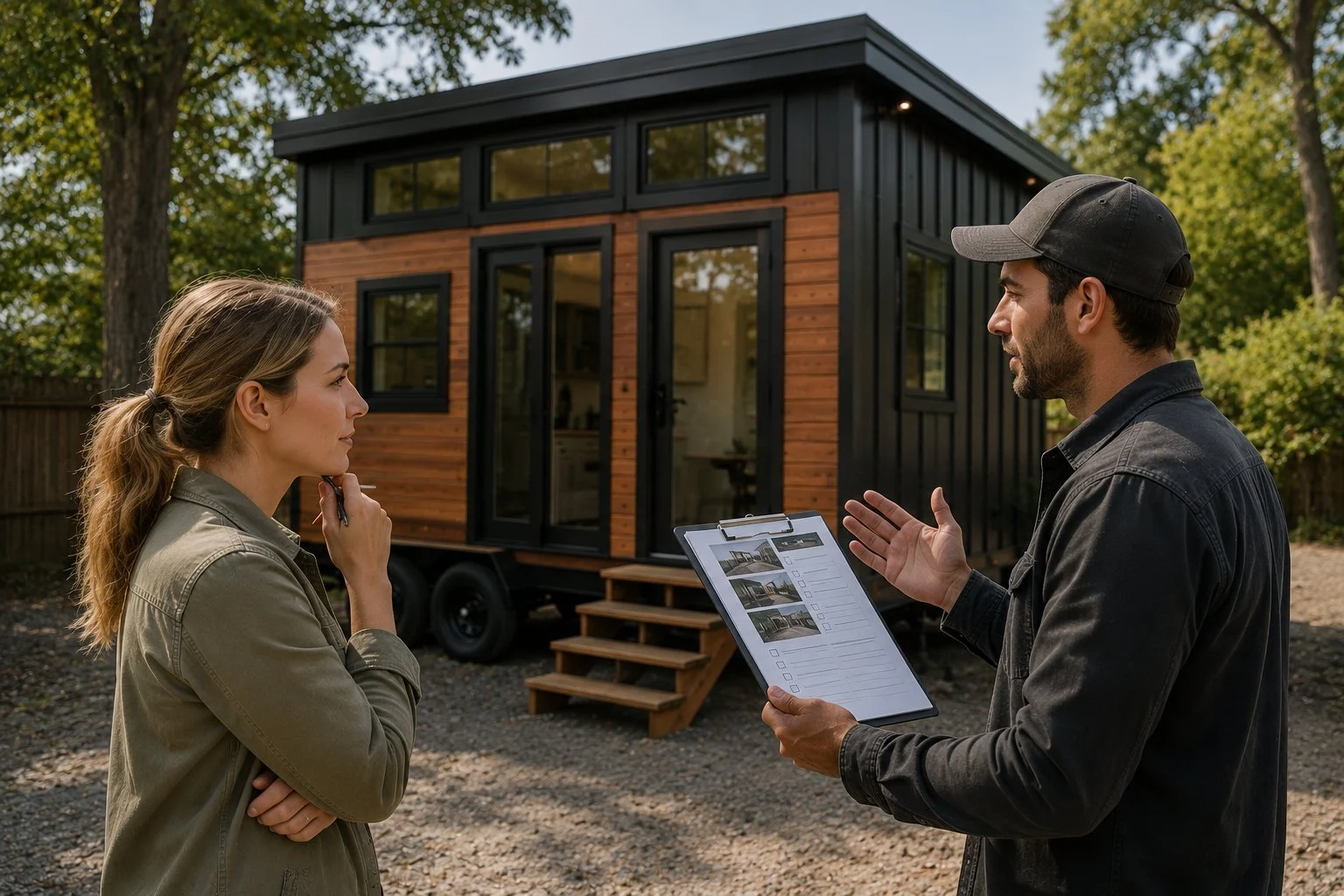
A few specific questions will tell you a lot about whether the used unit and the seller are worth your time. Ask when the home was built and by which manufacturer. Ask for the original purchase paperwork and any maintenance records. Ask why the seller is selling. Ask whether the unit has been moved before. Ask what repairs have been done in the last few years. Ask whether the seller has any inspection reports or appraisals.
A confident seller with a well-maintained unit answers these directly. A seller who hesitates or gives soft answers is signaling something worth paying attention to. Walking away from a questionable used unit is much cheaper than buying it.
How condition affects long term value
A used ADU in excellent condition can hold value well, especially in a market with strong demand. A used ADU in poor condition can lose value quickly as repair costs add up. The condition of the home is the single biggest factor in whether the purchase makes sense. Spending the time to inspect carefully or hire a professional inspector pays off many times over.
Newer used units that were built to recent code standards by quality manufacturers tend to hold value better than older units. The age of the home matters, but the manufacturer and the original construction quality matter more. A ten year old home from a quality factory often performs better than a five year old home from an unknown shop.
Where buyers usually land
Most buyers who start out looking for used ADUs end up at one of two places. Either they find a used unit that genuinely fits their needs and budget, or they realize that a new factory built unit gives them more for not much more money. The path you land on depends on what you find and how the numbers work for your specific situation.
If you want to see what a new factory built unit looks like at real pricing, you can compare with our new factory-built ADUs and see the lineup side by side. Knowing what new looks like gives you a clean benchmark for evaluating any used unit you come across. That benchmark is the most useful single tool a used ADU buyer can have.
How resale plays out for used units
Resale on a used ADU can go in either direction. A used unit that has been maintained well, built by a quality manufacturer, and updated as needed tends to hold value reasonably well, especially if local demand for ADUs stays strong. A unit that has been neglected, moved multiple times, or built by a low quality shop often loses value steadily. The condition and the provenance of the home matter more than the age.
If you are buying a used unit with the idea of selling it later, that calculation should factor into the purchase price. Paying full retail for a used home that will need significant work and may sell for less than you paid is a problem. Paying a discount that reflects the condition and any expected work gives you a more honest entry point.
For buyers who plan to keep the home as a long term residence and not resell, the resale picture matters less. The day to day livability of the home and the cost of maintenance over the years become the more important factors.
Practical comparison checklist
Putting a structured comparison together helps clarify whether a used unit beats a new build for your specific situation. List the all-in cost of the used unit including transport, set, repairs, and code updates. List the all-in cost of a comparable new unit including delivery, set, and any included features. Compare warranty coverage on each. Compare expected maintenance over the first five years. Compare financing terms and monthly payment.
With those numbers side by side, the decision usually becomes clear. The used unit either offers real savings that justify the tradeoffs, or it does not. Either way, you have a defensible answer instead of a guess.
What good used units look like
The best used ADUs share a few common traits. They were built by manufacturers with strong reputations. They have complete documentation including original purchase paperwork and maintenance records. They have been on a single property for most of their life rather than moved multiple times. The sellers are transparent about condition and willing to provide inspection access. The asking price reflects condition rather than wishful thinking about new build pricing.
If a used unit checks these boxes and fits your needs and budget after a careful comparison, it can be a smart buy. If it does not, the new build option is almost always the better path.