
Prefab ADU Builder California: Factory-Built Backyard Cottages by Tiny Home Cottages
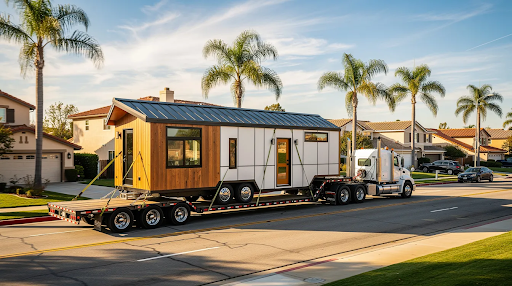
California homeowners have more options than ever for adding living space to their property. A prefab ADU offers a faster, more predictable path to a backyard cottage compared to traditional construction. This guide breaks down how factory-built accessory dwelling units work, where they save money versus custom builds, and what the entire process looks like from initial consultation to move in.
Key Takeaways
A prefab ADU is a factory-built accessory dwelling unit delivered to your California property and installed on a permanent foundation, built under national codes with multiple inspections before leaving the factory.
Site work costs like permits, foundation, and utilities are similar whether you choose prefab or a custom built ADU, but prefab saves money on design, engineering, and labor.
Tiny Home Cottages offers five home series—single story, premium single story, lofted, cabin, and HUD manufactured—ranging from about 200 to 1,000 square feet for detached ADU use.
The entire building process typically spans 6-9 months total, with factory construction happening in parallel with site prep to reduce on-site work to weeks instead of many months.
Common uses include multigenerational living for adult children or aging parents, rental income, guest houses, and downsizing—with financing available through specialized lenders like 21st Mortgage Corporation.
What Is a Prefab ADU in California?
A prefab ADU is an accessory dwelling unit constructed in a factory setting and transported to a California property for installation on a permanent foundation. Unlike site built construction where crews work on your property for months, the dwelling itself arrives largely complete—ready for foundation connection, utility hookups, and final inspection.
In this article, prefab ADU refers specifically to detached backyard cottages, tiny homes, and small HUD manufactured homes that qualify as ADUs under California rules. This does not include attached additions or garage conversion projects, which involve different construction methods and permitting paths.
California has passed increasingly homeowner-friendly ADU legislation since 2017, with significant expansions in 2023. Current state law generally allows:
At least 800 square feet for a detached ADU on most single-family residential lots
16 feet maximum height
4-foot rear and side setbacks
150 square foot minimum size
These statewide rules limit how much local jurisdictions can restrict ADU development, making the adu process more predictable across the state.
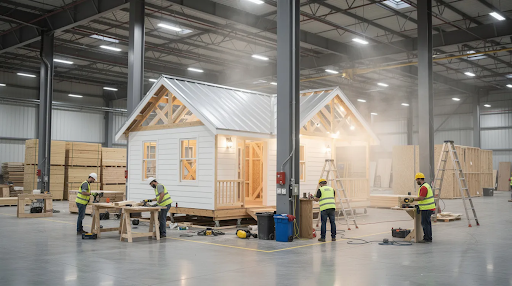
Prefab ADUs are built to national building codes—either HUD code for manufactured units or equivalent national factory standards for cottages—in a climate-controlled environment. The home receives multiple in-plant inspections by third parties and state agencies before shipment. Once on your property, only the foundation, utilities, and final hookups require completion.
Prefab ADU vs Custom ADU: Which Option Is Better?
Many California homeowners price-shop prefab against custom ADU options and discover something surprising: total project costs often land closer together than expected. The reason comes down to site work, which represents a substantial portion of construction costs regardless of how the dwelling itself gets built.
Site prep, grading, trenching, foundation installation, utility connections, permits, and inspections cost roughly the same whether you’re setting a prefab unit or building a custom adu from scratch. This is especially true in California cities like San Diego, Los Angeles, and Sacramento where infrastructure and permitting represent significant line items.
Where prefab usually wins:
Design and engineering included in the base price instead of paying $8,000 to $25,000 or more for custom plans
Fewer change orders and less design scope creep during permitting
Lower labor costs because factory work happens at scale with standardized processes
Faster overall build since factory construction runs in parallel with your site work
Pre-approved plans that speed up permit review with your city
Where custom ADUs can be better:
Complex or steep lots requiring highly tailored footprints
Properties in HOAs or historical districts with strict architectural requirements
Very large or multi-story ADUs beyond typical prefab footprints (generally 400-1,000 square feet)
Homeowners with a specific vision for customized design elements
A practical decision framework:
Choose a prefab ADU if you have a straightforward lot, want a unit between 400-1,000 square feet, and prioritize predictable finishes and timelines. The whole process becomes more transparent when working from established floor plans.
Choose a custom ADU if you have an unusually shaped parcel, hillside property requiring extensive engineering, or a highly specific architectural vision that justifies additional investment in custom design.
Why Choose a Factory-Built Prefab ADU in California?
Tiny Home Cottages focuses on factory-built homes because of the consistency, code compliance, and predictable timelines this approach delivers compared to traditional site built methods. When your new adu is constructed indoors under controlled conditions, several advantages emerge.
Benefits of factory construction:
Controlled indoor environment avoids weather delays common during California’s winter rains or summer heat waves
Repetition and standardized processes improve craftsmanship while reducing on-site errors
Materials stored indoors prevent warping and damage that occurs during traditional construction
Quality assurance protocols catch issues before the home ever leaves the factory
Inspection and code advantages:
Homes built to national building standards (HUD code for manufactured units or equivalent national factory standards for cottages)
Multiple in-plant inspections by third parties and state agencies before shipment
Fewer surprise corrections once the unit reaches your property
Confidence that the structure meets California’s strict fire-resistant materials and energy efficiency standards
Project schedule advantages:
While your city reviews permits and foundation work happens at the property, the home gets built simultaneously in the factory
Typical factory build and installation timeframe measured in weeks once permits and foundation are ready
Traditional adu construction requires 7-10 months of daily on-site work; prefab compresses active construction dramatically
Less stress from coordinating multiple trades over extended periods
Prefab ADU Models Offered by Tiny Home Cottages
Tiny Home Cottages offers several series of factory-built homes that work as detached ADUs in California and Oregon. The range generally spans from about 200 square feet to around 1,000 square feet, giving homeowners flexibility based on property specifics and intended use.
Single story tiny homes:
These modern, entry-level backyard cottages feature approximately nine-foot ceilings throughout. Ideal sizes range from 240 to 600 square feet, making them excellent for studios and one-bedroom ADUs serving guests or rental tenants. Common layouts include open living and kitchen areas, a private bedroom, and a full bathroom—providing complete independent living in a compact footprint.
Premium single story tiny homes:
This series includes upgraded features, cement exterior siding, and more contemporary floor plans. The premium line makes a good fit for long term value when housing family members who will live in the ADU full-time, or for homeowners downsizing who want higher-end finishes. The construction approach uses high quality materials suited for daily residential use over many years.
Lofted tiny homes:
These homes include a second-level loft, steep roof pitches, and large stacked windows that bring in extra natural light. Lofts function well as sleeping areas, home offices, or storage space, making the footprint feel considerably larger than the foundation size suggests. The dramatic interior height creates an open, spacious feel despite the modest square footage.
Cabin series cottages:
Featuring natural cabin-style finishes like tongue and groove pine walls and ceilings, metal roofing, and fiber cement siding, these cottages blend with mountain, forest, or rural properties. Homeowners in Northern California, the Sierra Nevada foothills, or coastal Oregon often find the cabin aesthetic fits their landscape while still providing modern comfort and energy efficiency.
HUD manufactured homes:
Ranging from approximately 400 to 1,000 square feet, these larger units are built to federal HUD code. They can serve as primary residences or as spacious ADUs on qualifying lots, offering multi-bedroom flexibility for multigenerational living. When your adu project needs more space than a typical tiny home provides, HUD manufactured homes deliver that capability within the same factory-built framework.
Common Ways Homeowners Use Prefab ADUs
California’s housing pressures—rising rents, limited inventory, and families trying to stay close across generations—drive much of the interest in prefab ADUs. These backyard home additions serve several practical purposes depending on your situation.
Housing for family members:
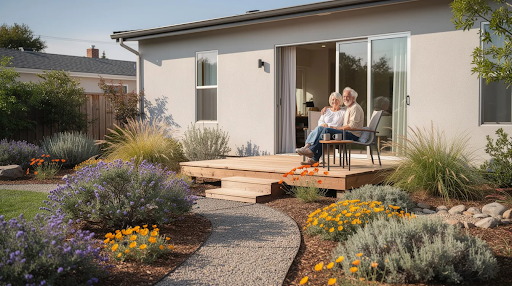
Many homeowners add ADUs as granny flats or in-law suites for aging parents who want independence while staying nearby. Single-story and premium tiny homes prove especially convenient for older residents, with accessible layouts, no stairs, and everything on one level. A 500 square foot unit in Sacramento, for example, gives parents their own space while keeping them close for daily interaction and support.
Multigenerational living:
ADUs help adult children, college-age kids returning home, or relatives live on the same property while maintaining privacy. Everyone shares the property but not the same walls. Larger HUD manufactured homes or lofted options support small families with separate sleeping areas when more space is needed.
Guest houses and backyard cottages:
A dedicated guest space for visiting friends and extended family means not losing privacy in your main house during visits or long-term stays. The accessory dwelling functions like a small hotel suite on your property—welcoming guests without disrupting your daily life.
Downsizing and primary residences:
Some homeowners move into the backyard cottage themselves and rent out the main house. This approach is common in high-cost markets like the Bay Area or coastal Southern California where rental income from the larger home can significantly offset living expenses. A 2021 Porch Survey found that homes with an ADU see an average 35% increase in property value in the Pacific region.
Rental income and investment:
California’s housing shortage creates strong demand for rental units. A well-designed prefab ADU can generate passive income to help offset mortgage payments or fund other goals. Check your city’s regulations regarding short-term rentals, as rules vary by jurisdiction, but long-term rental opportunities exist throughout the state.
How the Prefab ADU Process Works with Tiny Home Cottages
Understanding the adu process from start to finish helps you plan timeline, budget, and expectations. Here’s the roadmap from initial research to move in, with Tiny Home Cottages guiding each step.
Initial consultation and property review:
The process starts with a phone or online consultation to discuss goals, budget, and property location (California or Oregon). A basic zoning and access review confirms whether a detached ADU or tiny home is likely feasible on your lot. This preliminary step identifies obvious constraints before you invest time in detailed planning.
Selecting a home model and floor plan:
You’ll review single story, premium, lofted, cabin, or HUD models and choose a size and layout that fits your property and local rules. Most California jurisdictions permit 400-800+ square foot ADUs, though specific limits vary by city. The team helps match your specific needs with available options.
Permitting and approvals:
Tiny Home Cottages or its partners help prepare plan sets, foundation details, and utility plans for submission to your local building department. Even prefab ADUs require necessary permits for foundation, placement, and utility connections. The advantage of pre-approved plans is faster review—adu builders using standardized designs typically experience fewer change orders and delays.
Financing and contracts:
Once a model and price range are selected, buyers can apply for financing through lenders like 21st Mortgage Corporation that specialize in manufactured and tiny home loans. The typical path includes:
Complete a loan application with income, credit, and property information
Receive approval and review financing terms
Lock the interest rate and submit documentation (identification, income verification, bank statements)
Sign closing documents before factory production begins
Factory construction:
The home gets built indoors according to approved specifications while site work—grading, foundation, and utility trenching—happens at your property. This parallel workflow is why prefab timelines compress compared to traditional construction where everything happens sequentially on site.
Delivery, installation, and inspections:
The finished unit is transported to your property, craned or set onto its prepared foundation, and connected to utilities. Local inspections cover foundation integrity, utility hookups, and final inspection requirements before the unit becomes legally habitable. This phase typically takes a few weeks once the home arrives.
Move in and support:
After the certificate of occupancy is issued, your dream adu is ready for occupancy. Tiny Home Cottages remains available to answer questions about maintenance, future upgrades, and any issues that arise during the first months of use. The whole team stays connected through the entire process and beyond.
Financing Options for Prefab ADUs
Prefab ADUs can often be financed similarly to manufactured or tiny homes. Financing becomes easier to navigate when the home model, timeline, and pricing are clearly defined upfront—one advantage of working with established floor plans and transparent pricing.
Dedicated manufactured and tiny home lenders:
21st Mortgage Corporation is a commonly recommended lender that focuses on manufactured and mobile home loans nationwide. They have decades of experience with factory-built homes and understand the adu industry well. Down payments can range from 0% for well-qualified buyers to higher percentages depending on credit profile and property factors.
Typical loan application steps:
Choose a specific home model and approximate price that fits your budget
Submit an application with income, credit, and property information
Review loan terms, interest rate, and required down payment
Sign closing documents and finalize the loan before production begins
Using home equity:
Some homeowners explore home equity loans or lines of credit through their own bank or credit union to fund site work or part of the ADU cost. This approach can work well when you have substantial equity in your primary residence. Consult with your financial professional to understand whether this path makes sense for your situation.
Budget planning tips:
Account for both the home itself and separate line items including:
Permits and plan check fees
Foundation engineering and construction
Utility connections (water, sewer or septic, electricity)
Site grading or retaining walls, especially on sloped California lots
Any landscaping or finishing work after installation
The construction costs extend beyond the home price, so planning for the complete project prevents surprises. A detailed consultation helps identify your property specifics and what site work might require.
Prefab ADU Builder California: Why Work with Tiny Home Cottages?
Tiny Home Cottages serves California and Oregon homeowners who want detached backyard cottages built with professional quality and delivered with confidence. The focus is specifically on stand-alone ADU-style structures—not attached additions or major interior remodels.
Experience and specialization:
Tiny Home Cottages works with manufacturers that have decades of experience building small, factory-built homes and cottage-style dwellings. Consistent construction methods, quality assurance processes, and adherence to national building codes mean you’re working with a team that has genuine know how in this space. Top adu contractors understand that factory construction delivers excellent communication of expectations through standardized processes.
Detached ADU focus:
The company specializes in units that create more space on your property as independent structures—tiny homes, cottages, and small manufactured homes used as ADUs, granny flats, or guest houses. This specialization means the whole process is designed around these project types rather than being an afterthought to a general contractor business.
Design and model variety:
With five distinct series—single story, premium, lofted, cabin, and HUD manufactured—homeowners choose between modern, traditional, or cabin-style aesthetics. Whether you want a sleek contemporary look or natural wood finishes, there’s a design build option that fits. The range of adu options means most property requirements can be met without full custom design.
Guidance through the entire process:
Support extends from early research and budgeting through plan selection, permitting, financing, factory construction, delivery, and final inspection. You don’t need to coordinate multiple unrelated vendors—this approach makes Tiny Home Cottages a true one stop shop for many homeowners. The team does a wonderful job keeping projects on track and maintaining less stress throughout.
A long term investment in your property:
An ADU represents a long term investment that can increase property value, generate rental income, and provide housing flexibility for years to come. Working with experienced adu contractors who understand California’s regulatory environment gives you confidence that your new home will be constructed properly and permitted correctly.
Explore available models, browse photos of completed homes, and contact Tiny Home Cottages to discuss which prefab ADU option fits your property, timeline, and budget. The first step is a conversation about what you’re trying to accomplish.

FAQ About Prefab ADUs in California
How long does it take to complete a prefab ADU project in California?
Total project time often ranges from about 6-9 months from initial consultation to move in, though this varies based on several factors. The timeline typically breaks down as follows:
1-3 months for design selection, preliminary site review, and loan application
2-4 months for city or county permits, which vary widely by jurisdiction
Several weeks in the factory plus a few weeks on-site for foundation, delivery, installation, and final inspection once permits are in hand
Actual timelines depend on your city’s permit workload, site complexity, utility coordination, and how quickly you make decisions. A property review is the best way to set realistic expectations for your specific situation.
Do I still need a permit for a prefab ADU in my backyard?
Yes, all detached ADUs—including factory-built units—require permits from your local California building department. Even though the home is constructed elsewhere, permits are required for:
Placement and setbacks on your lot
Foundation type and engineering details
Utility connections for water, sewer or septic, and electricity
Tiny Home Cottages helps coordinate the needed plans and documentation for permit submittal, but final approvals and fees are handled by your local jurisdiction. Some California cities have streamlined ADU permitting with reduced fees and faster review times following recent state legislation.
Can a prefab ADU be used as a primary residence or only as a guest house?
Many factory-built tiny homes and HUD manufactured units can serve as either a primary residence or a detached ADU, depending on local zoning and how the project gets permitted. Some homeowners choose to live in the backyard cottage themselves and rent out their main house, while others keep the ADU strictly for family or guests.
Confirm with your city or county whether your planned unit will be classified as an ADU, a primary dwelling, or another structure type. The classification affects permitting requirements and may influence financing options.
How customizable are prefab ADUs compared to custom builds?
Prefab ADUs typically offer a menu of floor plans with options to choose finishes, colors, and some layout variations rather than full from-scratch design. This limited customization is part of how prefab units stay predictable in timing and cost—and many California jurisdictions appreciate standardized plans for faster permit review.
Homeowners needing highly unique footprints or specific architectural features may be better served by a fully custom adu built by adu contractors specializing in site construction. However, most standard backyard projects can find an affordable good fit within existing prefab models without sacrificing functionality or aesthetics.
Where in California can I place a prefab ADU from Tiny Home Cottages?
Tiny Home Cottages focuses on detached ADUs and tiny homes for residential lots in California and Oregon. Feasibility depends on local zoning rules, lot size, and access for delivery of the installed home.
Many California cities and counties—including those in Southern, Central, and Northern regions—now have ordinances supporting at least one detached ADU on most single-family residential parcels. Some jurisdictions are more streamlined than others, but statewide ADU laws limit how restrictive local rules can be.
Reach out with your property address so the team can review basic zoning, access, and potential constraints before you move forward with a specific model selection. This preliminary check helps identify whether your property is a strong candidate and what site challenges might need addressing.