
What Is a Mobile ADU and Why Homeowners Are Choosing Them
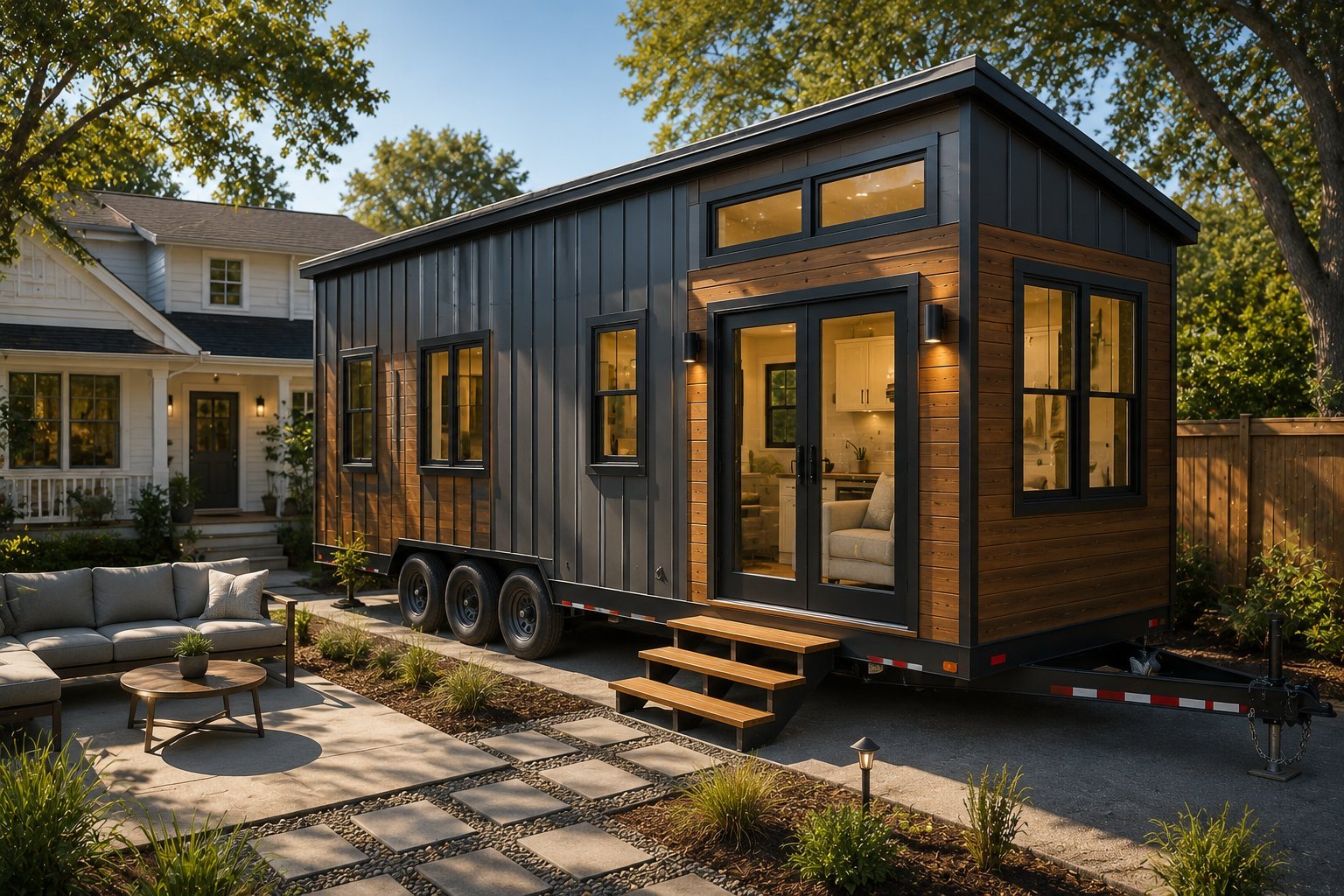
The phrase mobile ADU comes up regularly in real estate and housing conversations, and for good reason. Mobile ADUs solve a specific set of problems that homeowners run into when they need additional housing on their property. They are faster to install than a site built home, more predictable on price, and built in a controlled factory environment that delivers consistent quality. For many California and Oregon homeowners, a mobile ADU is the practical answer to what to do with an underused backyard or side yard.
This guide walks through what a mobile ADU actually is, how it differs from a site built ADU, the top benefits homeowners care about, common use cases, and what these homes typically cost.
Mobile ADU definition
A mobile ADU is an accessory dwelling unit that is built in a factory and transported to a residential property for placement. The unit is designed to function as a real, livable second home rather than a recreational vehicle or temporary structure. The mobile part refers to how the home gets to the lot and the option to relocate it in the future. Once placed, most mobile ADUs serve as long term housing for years or decades.
The structure itself follows national building code standards. The construction happens indoors with consistent crews, controlled materials, and continuous inspection. The home is then trucked to the property, set on a prepared pad, leveled, anchored, and connected to utilities. From the outside, it looks like a small house. From the inside, it functions like one.
Tiny Home Cottages works with experienced manufacturers that have built small homes and cottage style dwellings for many years. The factory build process produces a consistent product because the same teams use the same materials under the same conditions every day. That repeatability is what makes the category reliable.
How it differs from a site built ADU
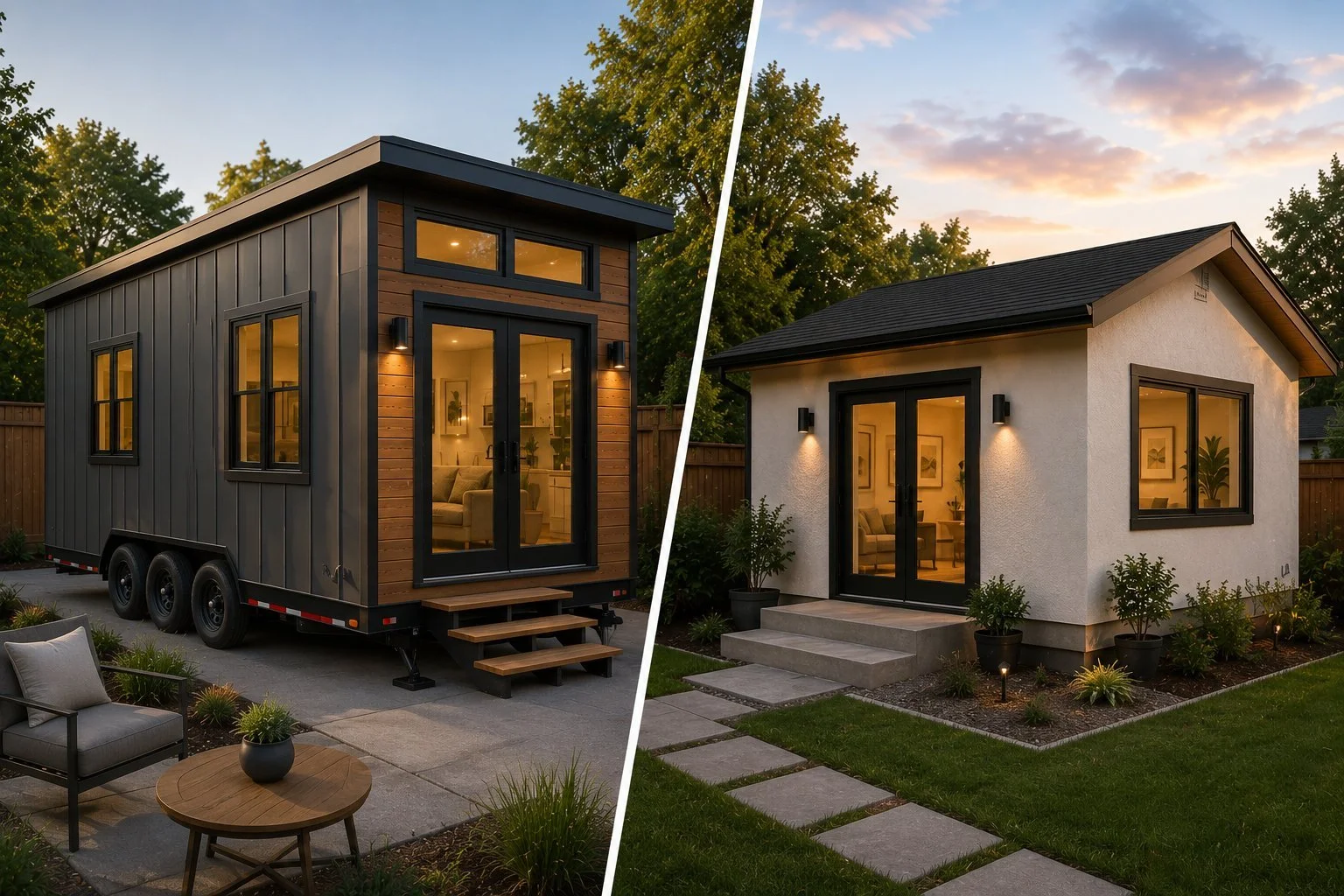
A site built ADU is constructed on your property by local crews. The work depends on weather, subcontractors, supply chains, permits, and inspections. Each project is essentially a one-off custom build. A mobile ADU is constructed in a factory while the site is prepared in parallel. The home arrives finished and ready to set.
Timeline is the most visible difference. A site built ADU in California can stretch over many months and sometimes a year or more. A mobile ADU moves from order to occupancy on a much shorter schedule because the factory production runs on a known timeline regardless of weather or local subcontractor availability.
Cost is the next difference. Site built ADUs have a higher headline cost and more cost variance during the project. Change orders, weather delays, and material price swings can push the final number well above the initial estimate. Mobile ADUs are priced before construction starts, which gives the buyer a stable budget number to work with.
Quality consistency is the third difference. A site built ADU depends on the local crew and how well they perform on your specific project. A factory built mobile ADU comes from a production process that has built thousands of similar units. The variance in finished quality is much lower in the factory build.
Top benefits
The benefits that come up most often in conversations with mobile ADU buyers cluster into a few clear themes. The first is speed. Buyers who need housing for a family member, a downsizing move, or a rental opportunity want a real timeline they can plan around. A factory built mobile ADU delivers that.
The second is cost predictability. The final number is usually close to the quoted number, which makes budgeting realistic. There are fewer surprises during construction because most of the work happens in a controlled environment.
The third is quality consistency. The factory environment delivers a more uniform product than a site build. Walls are square. Finishes line up. Doors and windows operate smoothly. The home that arrives matches the home that was promised.
The fourth is flexibility. A mobile ADU can be relocated if the family situation changes. That option has real value, especially for homeowners who are not sure how long they will stay at the current property.
The fifth is access to financing. Mobile ADUs from quality manufacturers are familiar to lenders who specialize in this category. The financing path is clearer than it is for many alternative housing options.
Common use cases
The most common use case for a mobile ADU is housing for an aging parent. The unit gives the parent their own space close to family without forcing them into a separate household. The single story layouts work especially well for this use case because they avoid stairs and accommodate accessibility needs.
The second common use case is housing for an adult child. Many young adults in California and Oregon struggle with the cost of independent housing. A mobile ADU on the family property gives them a real home of their own at a much lower cost than independent rent.
The third use case is multigenerational living. Families that want grandparents close to grandchildren but cannot share the main house find that a backyard mobile ADU offers the right balance between closeness and privacy.
The fourth is downsizing. Empty nesters or older homeowners sometimes move into a smaller mobile ADU on their property and rent the main house. This unlocks income while letting them stay in the neighborhood they know.
The fifth is rental income. Homeowners with available backyard space add a mobile ADU as a long term rental, an extended stay rental, or a short term rental depending on local rules.
The sixth is workspace or home office. Remote workers who want dedicated separation between work and home use a small mobile ADU as an office, studio, or creative space.
What it costs
Mobile ADU pricing depends on the series, the size, the finish level, and the included features. Entry level single story models price at the lower end of the lineup. Premium single story models, lofted models, cabin series cottages, and HUD manufactured homes price progressively higher based on size and finish.
The total delivered cost is what matters for budgeting. A real quote should include the home itself, delivery, set, anchoring, and the basic work needed to make the unit livable on your lot. Quotes that leave out delivery or set make the headline number look smaller than the actual cost. Always ask for a full breakdown.
Site work is a separate cost. The pad, utility connections, and any grading depend on the lot and local conditions, not the builder. A local contractor or the builder's site team can usually estimate this after a quick site review.
Most buyers finance the purchase. Tiny Home Cottages often recommends 21st Mortgage Corporation, which specializes in manufactured and mobile home loans. Down payment options range from zero percent for highly qualified buyers to higher percentages depending on credit and the property.
How mobile ADUs change housing planning
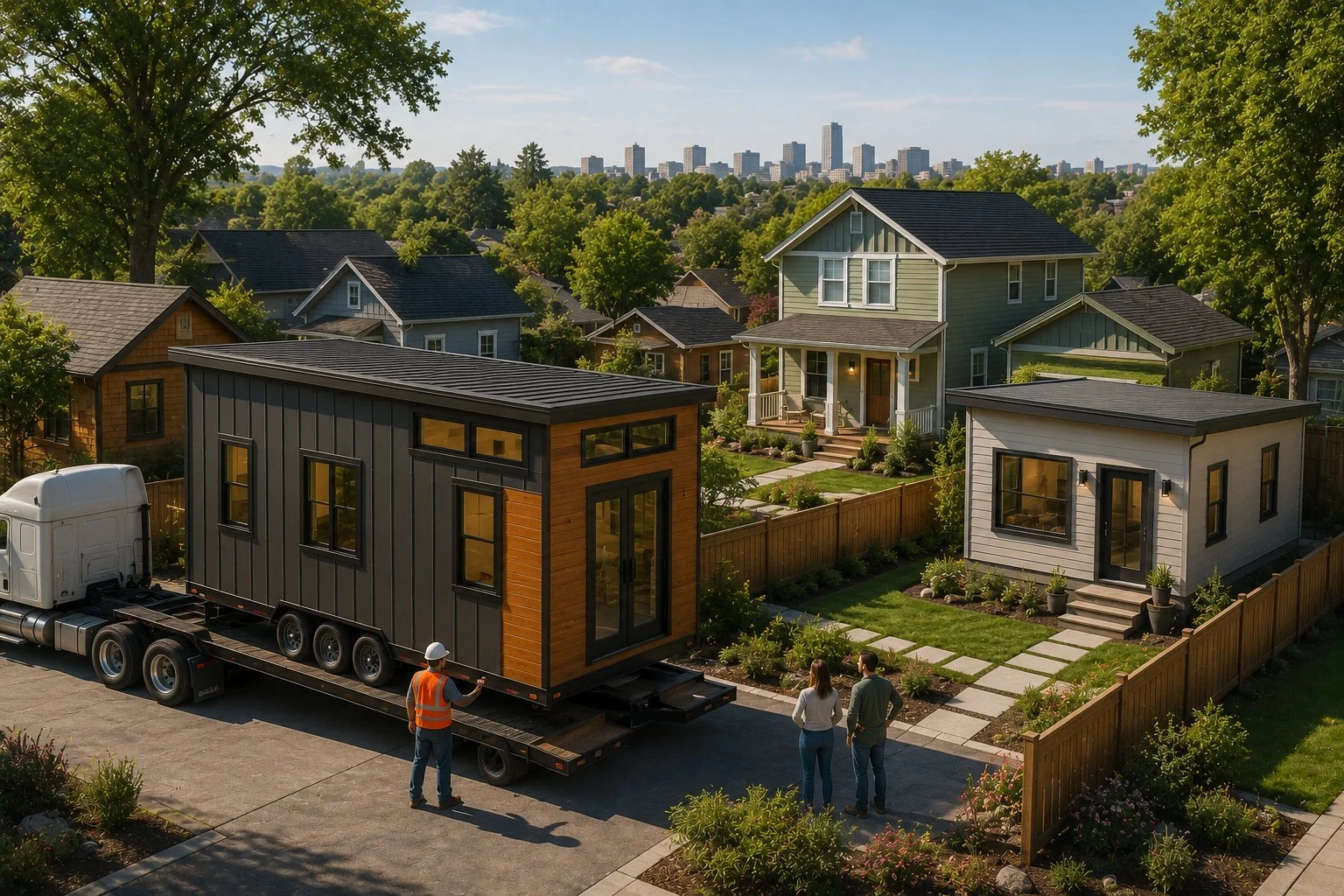
The combination of speed, predictability, and flexibility makes mobile ADUs useful for situations that traditional housing cannot serve well. Families that need housing in months rather than years lean toward this category. Homeowners who want a second residence but not a full second mortgage commitment find that the cost works. Buyers who value optionality on future moves see the value of a home that can be relocated.
For many California and Oregon homeowners, the mobile ADU is the practical bridge between needing more housing and being able to afford it. The category continues to grow because it solves a real problem with a real product, not a theoretical one.
Choosing the right manufacturer
Not every mobile ADU is built to the same standard. The factory behind the home matters as much as the model itself. Buyers should ask how long the manufacturer has been building, how their quality assurance process works, what standards the home is built to, and how they handle warranty and service after delivery. The answers tell you who is on the other side of the transaction.
Tiny Home Cottages partners with manufacturers that have decades of experience producing small homes and cottage style dwellings. That experience shows up in the finished product, in the warranty, and in the way the homes hold up over time. Going with a manufacturer that has a real track record is the simplest way to reduce risk on a major housing purchase.
If you want to see real options now, you can see mobile ADU options and review the full lineup of single story, premium single story, lofted, cabin series, and HUD manufactured homes. Starting with real models is the fastest way to figure out which one fits your property and your situation.
Mobile ADU vs traditional accessory dwelling unit
The phrase mobile ADU sometimes confuses buyers because it overlaps with terms like manufactured home, modular home, and park model. The differences are real but not always clear from the outside.
A traditional ADU is any second housing unit on a property, whether site built or factory built, attached or detached. A mobile ADU is a specific type that is built off-site in a factory and trucked to the placement spot. Manufactured homes built to HUD code can serve as a type of mobile ADU when placed as an accessory unit. Modular homes are built in sections in a factory and assembled on a permanent foundation, which makes them less mobile but still factory built.
For most California and Oregon homeowners, the term mobile ADU usually refers to the factory built, transportable small homes and cottages that arrive on a truck and get set on a prepared pad. That category is what most buyers actually want when they search for mobile ADU options, and it is the category Tiny Home Cottages specializes in.
What to ask before ordering a mobile ADU
A few specific questions help buyers make a confident decision. Ask the builder how long their manufacturing partner has been building small homes. Ask what standards the home is built to. Ask what is included in the delivered price and what is separate. Ask how long delivery typically takes from order to placement. Ask about the warranty terms and the service process. Ask how financing usually works for the model you are considering.
Clear answers to these questions are a good sign. Vague or shifting answers are a signal to keep looking. A serious operator welcomes the questions because they have answered them many times for many buyers.