
Attached ADUs Explained: Pros, Cons, and Design Considerations
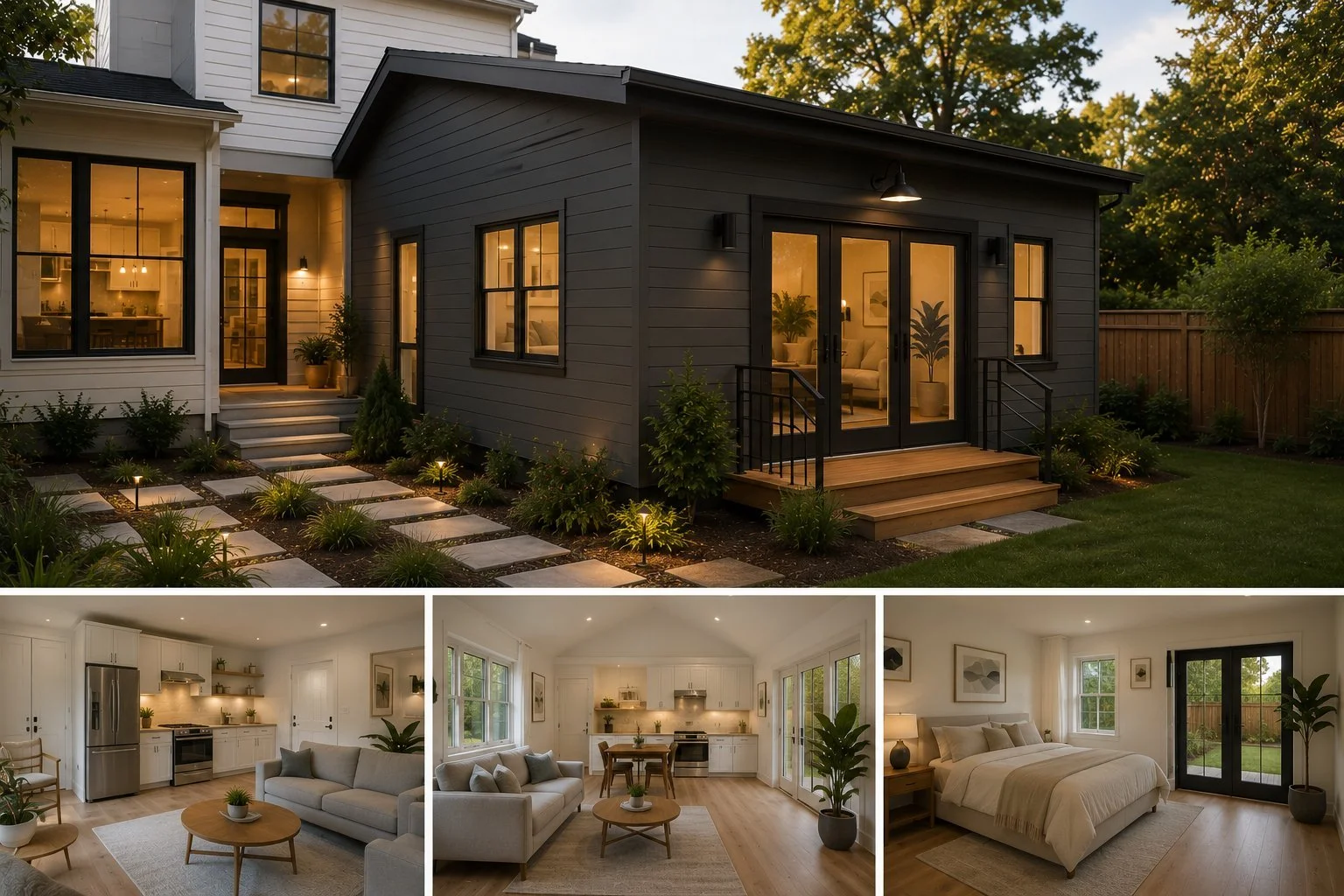
When homeowners start exploring ADU options, the conversation often centers on detached backyard cottages and tiny homes. Attached ADUs are the other major category and deserve serious consideration in the right situations. An attached ADU shares at least one wall with the main house and integrates into the existing structure in various ways. The right choice between attached and detached depends on lot size, budget, privacy needs, intended use, and what the property can physically support.
This guide walks through what attached ADUs are, the common configurations, the real pros and cons compared to detached options, cost and timeline expectations, and when detached makes more sense for your situation.
What attached ADUs are
An attached ADU is a second living unit that physically connects to the main house. It might be a converted garage, a basement conversion, an addition built off the side or back of the home, or an above-garage unit. The defining feature is the shared wall or shared structural element with the primary residence.
Attached ADUs serve the same use cases as detached units. They can house aging parents, adult children, guests, or renters. They can serve as home offices or dedicated workspace. The main difference is the relationship to the main house. An attached unit shares some level of structural integration, which affects construction, cost, privacy, and resale appeal.
California has streamlined some of the permitting rules for attached ADUs in recent years, which has made the category more accessible for homeowners with the right lot and house configuration. Even so, the construction process and the design considerations are different from a detached factory built option.
Common configurations
The most common attached ADU configurations include garage conversions, basement conversions, additions, above-garage units, and junior ADUs that share interior space with the main house. Each configuration has its own design considerations.
Garage conversions take an existing garage and finish it into livable space. The structure already exists, which can save cost, but the existing slab, walls, ceiling heights, and access points create constraints. Insulation, plumbing, and electrical typically need significant upgrades.
Basement conversions turn an existing basement into a separate unit. They offer good thermal performance and natural separation but face challenges around natural light, egress requirements, and sometimes moisture management.
Additions extend the existing footprint of the home to create a new unit. This gives the most design flexibility but requires the most construction work and the highest cost. Foundation work, exterior wall integration, and roof tie-ins add complexity.
Above-garage units sit on top of an existing or new garage structure. They keep the ADU separate from the main living spaces of the house while still being attached. Stairs and access design become critical considerations.
Junior ADUs occupy a portion of the existing house and share some facilities like a bathroom or entrance with the main residence. They have specific code definitions and are usually smaller than other ADU types.
Pros and tradeoffs
The pros of attached ADUs include leveraging existing structure, potentially lower site work costs, shared utility connections with the main house, and good thermal performance from the shared walls. For lots that cannot accommodate a separate building, an attached unit is sometimes the only option.
The tradeoffs include reduced privacy for both the main house and the ADU residents, construction disruption during the build, potential resale complications if the integration is not handled well, and longer timelines than a factory built detached unit. The cost can also surprise buyers because converting or adding to an existing structure often uncovers issues that were not visible in the initial estimate.
The privacy question is the one most families underestimate. Sharing a wall with a parent, an adult child, or a tenant means hearing what they do daily. Sound transmission between units is a real consideration that good design can address but cheap design cannot.
Cost and timeline
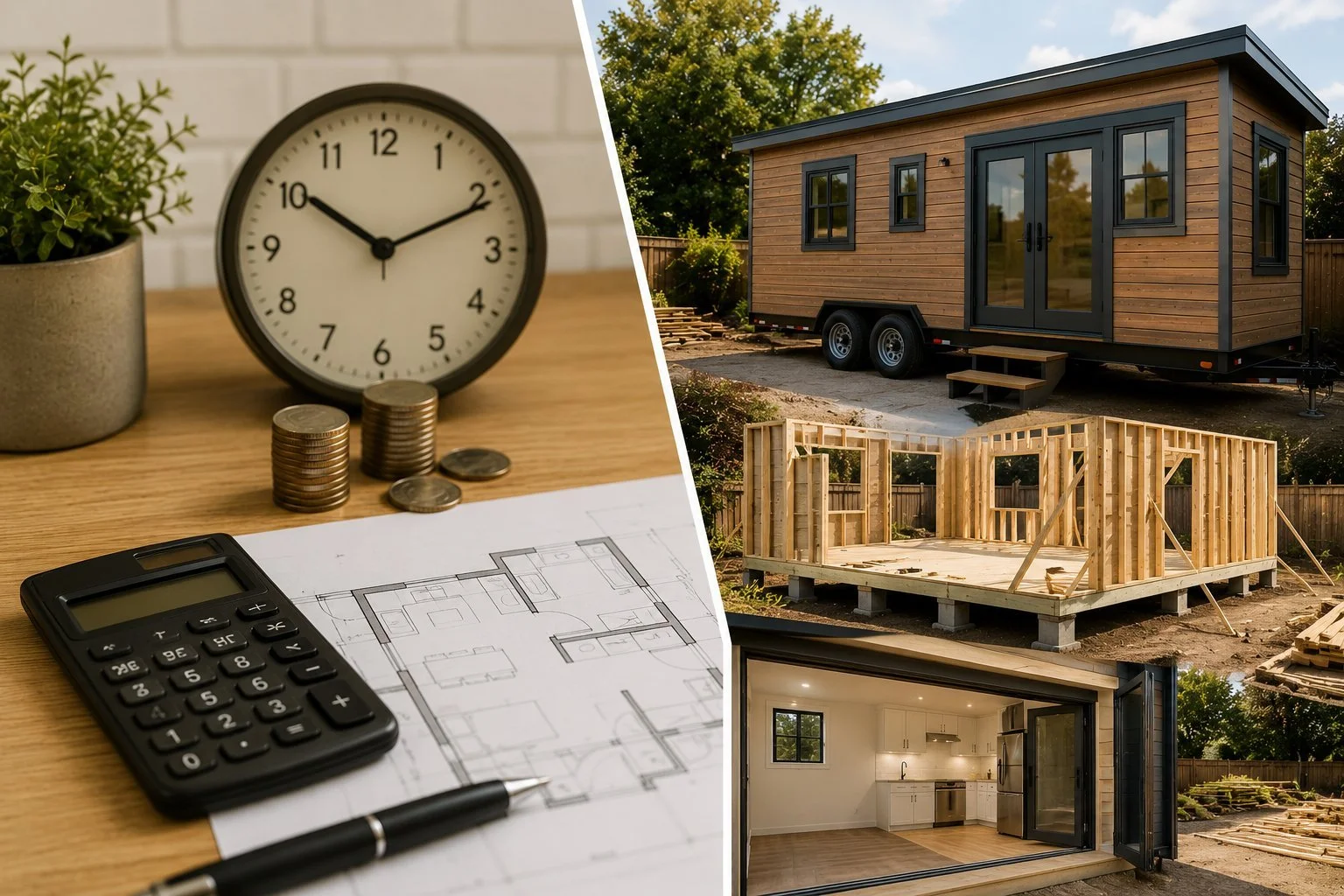
Attached ADU projects are essentially custom construction. The cost depends on the configuration, the existing structure, the finish level, and local labor and material costs. Garage conversions tend to be the most affordable. Additions tend to be the most expensive. Basement conversions sit in between depending on the existing conditions.
Timeline for attached ADUs runs longer than a factory built detached unit. The work happens on your property in real time, subject to weather, subcontractor availability, supply chain conditions, and inspection schedules. A simple garage conversion might wrap in several months. A complex addition can stretch over a year. The variance is wide.
Permits, plan review, and structural engineering all add time. Local jurisdictions have specific requirements for attached ADUs that often differ from detached unit rules. Working with a contractor and designer who have done this type of project in your area saves time and frustration.
When detached makes more sense
Detached ADUs win in several common scenarios. When privacy matters, a detached unit gives both households real separation. When timeline matters, a factory built detached unit moves faster than any attached construction. When cost predictability matters, a factory built detached unit has fewer cost surprises than a custom addition or conversion. When the main house is already at its functional limit, adding more square footage to it can create design and structural challenges that a detached unit avoids.
Detached units also offer flexibility on placement and orientation. The unit can be oriented to maximize light, privacy, or views. The yard remains the yard for both the main house and the ADU. The relationship between the two residences feels more like neighbors than housemates, which works better for many family situations.
For California and Oregon homeowners with backyards that can accommodate a detached structure, the factory built detached ADU usually offers a better combination of cost, timeline, quality, and privacy than an attached option.
Design considerations for attached units
If an attached ADU is the right path, a few design considerations matter more than others. Sound transmission between the unit and the main house is the first. Insulated party walls, separate HVAC systems, and careful door placement all reduce noise transfer. Skipping these details creates lifelong friction between households.
Separate entrances matter for both privacy and code compliance. The ADU should have its own entry that does not require passing through the main house. Outdoor space for the ADU residents helps when the unit is integrated into the main house structure.
Utility separation matters for billing and conflict avoidance. Submetering or fully separate utility connections let each household control and pay for its own usage. Mixing utilities creates ongoing administrative complications that no one enjoys.
Visual integration matters for resale. The attached ADU should look like it was always part of the house, not a bolt-on. Matching siding, roofing, window styles, and trim details takes a designer or builder with experience in residential additions.
How to decide between attached and detached
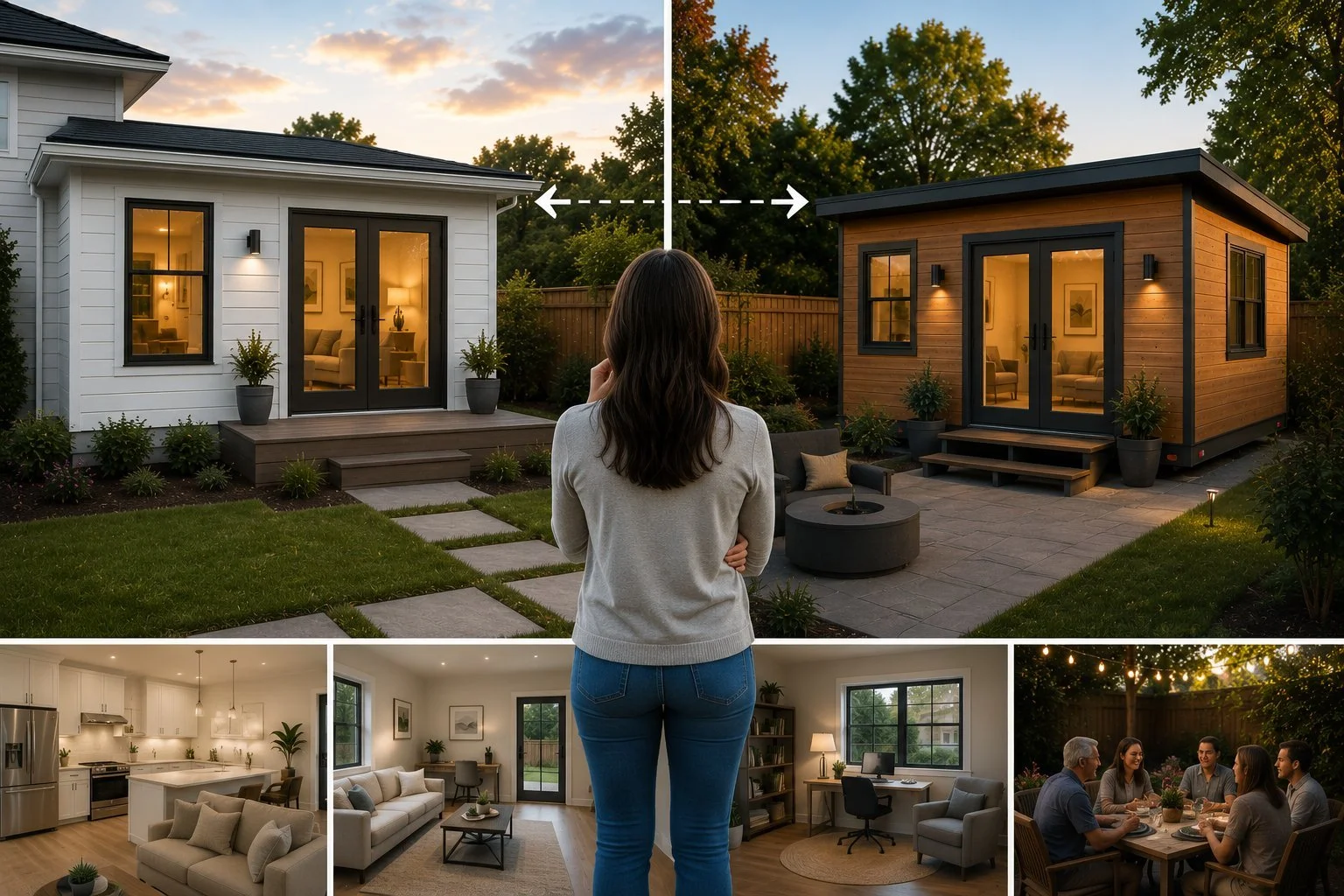
The decision usually comes down to four factors. The first is what your lot can physically support. Some lots only accommodate one option. The second is your budget and timeline. Detached factory built units win on both for most buyers. The third is your privacy and use case needs. Attached units work for some situations and detached units work for others. The fourth is the long term plan for the property, including whether you might sell, rent, or pass the home to family.
Walking through these factors with a builder or designer experienced in both categories gives you a clearer answer than independent research. Many homeowners come in assuming one option and leave the conversation having made the opposite choice because the conversation surfaced details they had not considered.
Where Tiny Home Cottages fits
Tiny Home Cottages focuses on detached, factory built tiny homes and cottage style structures. The lineup includes single story tiny homes, premium single story models, lofted models, cabin series cottages, and HUD manufactured homes. These work best as detached backyard cottages, granny flats, guest houses, and small primary residences on residential property.
For homeowners considering both attached and detached options, comparing a factory built detached unit to a custom attached project quickly clarifies the tradeoffs. The detached factory built path typically offers faster delivery, more predictable cost, and a more livable result for the same investment level.
If you want to see what a factory built detached option looks like before making the attached versus detached decision, you can compare attached vs detached ADUs and review the detailed breakdown. That comparison is the fastest way to know which direction fits your property and your situation.
Resale considerations for attached units
Resale is one of the less discussed but more important factors in the attached versus detached decision. An attached ADU integrates into the main house, which means the entire property reads as a single structure to most future buyers. That can be an advantage if the integration is clean and the design feels intentional. It can be a disadvantage if the addition reads as a bolt-on or if the floor plan creates flow problems in the main house.
Detached units carry their own value separately. A buyer evaluating the property sees the main house and the cottage as related but independent. That separation is often easier for buyers to understand and value. For sellers who eventually move on, the detached option tends to translate into a cleaner listing and a more straightforward valuation.
Local market preferences matter as well. In some neighborhoods, buyers expect attached additions. In others, detached cottages are the more familiar pattern. A local real estate professional can tell you which option performs better for resale in your specific market.
What to ask before committing to an attached ADU
A few specific questions help homeowners avoid common attached ADU pitfalls. Ask the contractor how they plan to handle sound transmission between the unit and the main house. Ask about utility separation and submetering. Ask about timeline and what happens if there are delays. Ask about the inspection schedule and the permit requirements specific to your jurisdiction. Ask for a detailed scope with contingencies built in for issues that may surface during construction.
The answers to these questions tell you whether the contractor has done this type of project before and whether they have a realistic understanding of what the project entails. Vague answers or aggressive promises on timeline and cost are signals worth paying attention to.